Why Should You Turn Off Your Engine While Refueling?
Gusti Ayu Tita P
17 September 2026
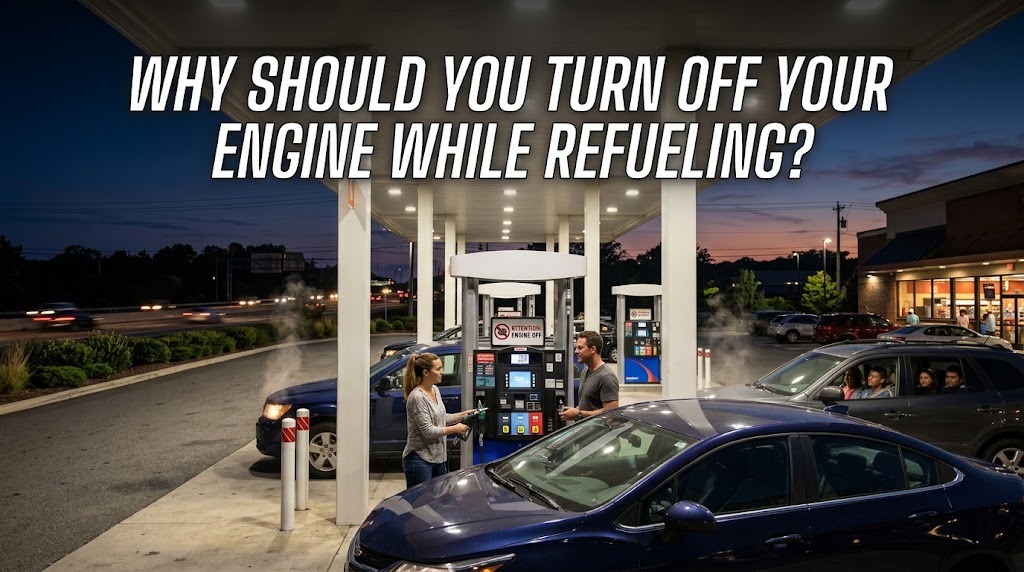
Refueling a vehicle is a routine activity, but safety should always come first. One of the most important rules at a gas station is to turn off the engine before fuel is dispensed. This simple action helps reduce potential ignition sources around flammable fuel vapors. Although serious incidents are uncommon, following proper procedures can reduce unnecessary risks. Understanding why the engine should be turned off can help drivers develop safer refueling habits.
REDUCING THE RISK OF IGNITION
Turning off the engine helps reduce the number of potential ignition sources around a vehicle during refueling. Gasoline and some other fuels can produce vapors that may ignite when exposed to sufficient heat, sparks, or flames. A running engine contains hot components and electrical systems that can potentially contribute to an ignition source under certain conditions. Switching the engine off removes one active source of heat and electrical activity from the vehicle. This is why turning off the engine is an important part of gas station safety.
Fuel vapors can accumulate around the vehicle, particularly near the fuel filler area. Keeping the engine off while refueling helps create a safer environment by limiting unnecessary sources of ignition. Drivers should also avoid smoking, using open flames, or engaging in activities that could create sparks. These precautions are especially important because fuel vapors are not always visible. Simple safety habits can therefore make refueling safer for drivers, passengers, and gas station workers.
PROTECTING PEOPLE AT THE GAS STATION
Turning off the engine is also important for protecting drivers, passengers, and station employees. Gas stations handle large quantities of fuel, so safety procedures are designed to reduce risks in areas where fuel is regularly transferred. An engine that remains running can produce heat, exhaust gases, and moving vehicle components. Turning it off allows the vehicle to remain stationary and inactive during the fueling process. This makes it easier for everyone nearby to follow established safety procedures.
A gas station is a shared environment where several vehicles may be refueling at the same time. Following the same basic rules helps create consistent and predictable behavior across the fueling area. Drivers should remain attentive and avoid unnecessary distractions while fuel is being dispensed. Children and other passengers should also stay away from the fueling equipment whenever possible. These habits support a safer refueling environment for everyone.
FOLLOWING GAS STATION SAFETY RULES
Turning off the engine is one part of a wider set of gas station safety rules. Drivers should follow signs and instructions displayed at the station because individual facilities may have additional requirements. Smoking and open flames should be avoided because fuel vapors can be highly flammable. Drivers should also avoid using devices or performing activities that could create an ignition source when instructed by the station. Paying attention to the surroundings is an important part of safe fueling.
Before refueling, the vehicle should be positioned properly beside the pump, and the engine should be switched off. The driver should then select the appropriate fuel and use the nozzle according to the station's instructions. If fuel spills, the driver should stop fueling and notify station personnel rather than attempting to ignore the spill. After fueling is complete, the nozzle should be returned securely to its holder. Following these steps reduces avoidable risks and helps keep the fueling area orderly.
PREVENTING UNNECESSARY VEHICLE MOVEMENT
Turning off the engine also helps prevent unintended vehicle movement while refueling. A vehicle with the engine running could potentially move if the transmission is accidentally engaged or if the vehicle is operated incorrectly. Even a small amount of unexpected movement can create a dangerous situation around fuel pumps, other vehicles, and pedestrians. Switching the engine off ensures that the vehicle is not actively powered while the driver is handling the fuel nozzle. Drivers should still apply the parking brake when appropriate.
This practice is particularly useful at busy gas stations where vehicles and pedestrians are moving around frequently. A stationary vehicle is easier for other drivers and station workers to anticipate. It also gives the driver an opportunity to focus entirely on the refueling process. Good positioning and proper use of the parking brake provide additional protection. Together, these measures contribute to a more controlled fueling process.
WHAT DRIVERS SHOULD DO DURING REFUELING
Drivers should begin by stopping the vehicle in the correct position and turning off the engine. They should follow the fuel pump instructions and make sure the selected fuel is suitable for their vehicle. During refueling, the driver should avoid smoking, using an open flame, or creating unnecessary distractions. The fuel nozzle should remain properly inserted into the filler opening until fueling is finished. Drivers should also monitor the process rather than walking away from the vehicle.
After the desired amount of fuel has been dispensed, the nozzle should be returned to its holder carefully. The fuel cap or filler door should be closed securely according to the vehicle manufacturer's instructions. If there is a spill, unusual odor, damaged equipment, or another safety concern, station staff should be informed immediately. Drivers should not restart the vehicle until the fueling process is fully completed and the area is clear. These simple steps help make refueling safer and more efficient.
CONCLUSION
Turning off the engine while refueling is a simple but important vehicle safety practice. It reduces potential ignition sources, limits unnecessary vehicle movement, and supports the safety procedures used at gas stations. Drivers should also avoid smoking or open flames and follow instructions provided by station personnel. Safe refueling does not require complicated actions, but it does require attention and consistency. By turning off the engine every time they refuel, drivers can contribute to a safer environment for themselves and everyone around them.
About the Author
Gusti Ayu Tita P
Author — STEKOM University
An active author focused on academic issues, educational technology, and human resource development in the campus environment.