
Why Social Pressure Often Appears Without Being Noticed?
Gusti Ayu Tita P
8 September 2026
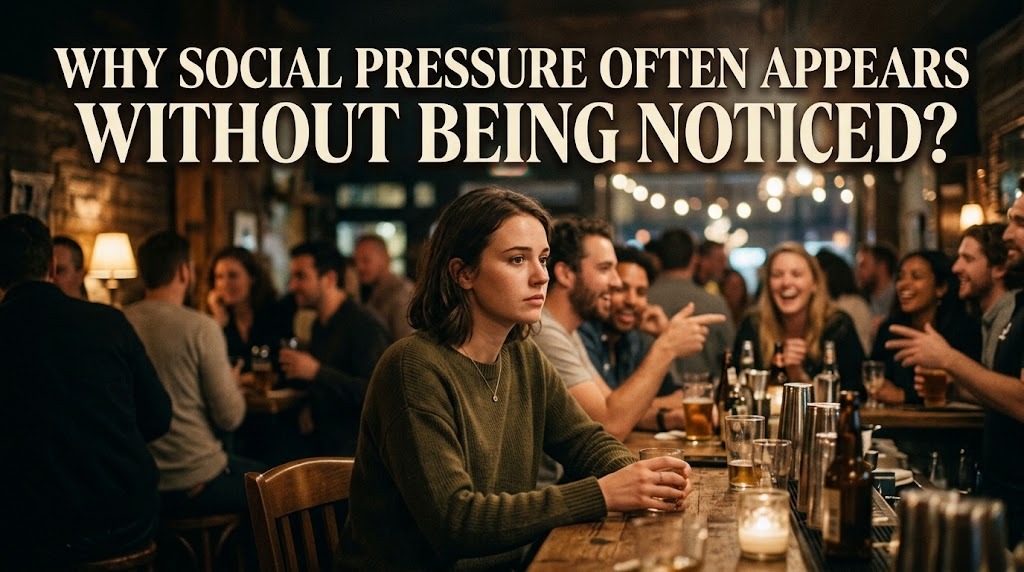
Social pressure is a common part of everyday life, but people do not always recognize it when it happens. It can influence how someone dresses, speaks, studies, works, spends money, or makes personal decisions. Unlike direct pressure, social influence often develops through small interactions and repeated expectations. Because these influences can feel normal, people may follow them without realizing that their choices are being shaped by others.
Social pressure can come from family, friends, coworkers, educational environments, communities, and social media. It does not always involve someone directly telling another person what to do. Sometimes, a simple comparison or repeated comment is enough to influence behavior. Understanding these hidden forms of pressure can help people make decisions based on their own values rather than automatic social expectations.
SOCIAL NORMS CAN FEEL LIKE NATURAL RULES
Every community has social norms that influence how people behave. These norms can involve communication, clothing, education, relationships, work, or lifestyle. Following reasonable social norms can help people cooperate and live comfortably with others. However, people may follow certain expectations simply because they are common, not because they personally agree with them.
Because these behaviors are repeated by many people, they can become difficult to question. Someone may assume that a particular lifestyle is the only acceptable choice because everyone around them appears to follow it. This can make social pressure difficult to identify. What feels like a personal preference may sometimes be influenced by the environment.
THE DESIRE TO BE ACCEPTED
Human beings naturally seek connection and acceptance. People often want to feel that they belong to a group, whether at school, work, home, or among friends. This desire can encourage positive cooperation, but it can also make people afraid of being different. The fear of rejection can quietly influence decisions without requiring direct pressure from anyone.
For example, someone may agree with a group opinion even when they have doubts. They may also change their behavior because they do not want to be judged or excluded. Over time, repeated decisions like these can become habits. The person may eventually stop questioning whether the behavior reflects their genuine preferences.
REPEATED COMMENTS CAN SHAPE THINKING
Social pressure can develop through repeated comments that appear harmless. Statements about appearance, education, career, relationships, or financial success may seem like ordinary conversations. However, when the same messages are repeated frequently, they can influence how people evaluate themselves. Repeated expectations can gradually become internal standards.
For instance, hearing that successful people must have a certain career may cause someone to question a different career choice. Similarly, repeated comments about appearance may create insecurity about personal features. The pressure is not necessarily caused by one conversation. It is often the repetition of the same message that makes the influence stronger.
SOCIAL COMPARISON HAPPENS AUTOMATICALLY
People often compare themselves with others to understand where they stand socially. This can happen when looking at grades, careers, appearance, income, relationships, or achievements. Comparison can sometimes provide motivation, but frequent comparison can create feelings of inadequacy. People may begin to judge themselves according to standards created by someone else's achievements.
The comparison is especially difficult when people only see the visible results. They may not know about the effort, opportunities, difficulties, or circumstances behind another person's success. This creates an incomplete picture of reality. Comparing personal struggles with another person's visible achievements can create unnecessary social pressure.
SOCIAL MEDIA MAKES PRESSURE LESS VISIBLE
Social media can make social pressure appear more subtle because users constantly see selected parts of other people's lives. Photos, videos, achievements, purchases, and personal milestones can create impressions about what a successful or enjoyable life should look like. Repeated exposure can make certain lifestyles appear normal or necessary even when they are not realistic for everyone.
Social media also encourages users to observe reactions such as likes, comments, and followers. Some people may gradually connect online attention with personal value. They may change what they post because they want approval from others. The desire for digital approval can become a form of social pressure that is difficult to recognize.
GROUP BEHAVIOR CAN INFLUENCE PERSONAL CHOICES
People often adjust their behavior when they are part of a group. This is particularly common when group members share similar opinions, habits, or interests. Following others can make social interaction easier, but it can also discourage independent thinking. A person may agree with a group simply because disagreement feels uncomfortable.
Group influence becomes more difficult to notice when everyone behaves similarly. The behavior may appear to be an obvious or unquestionable choice. However, individuals can still have different needs and opinions. Being part of a group should not require giving up personal judgment.
FEAR OF JUDGMENT CAN CHANGE BEHAVIOR
The fear of being judged is another hidden source of social pressure. People may avoid certain choices because they worry about what others will say. This can affect clothing, career decisions, relationships, hobbies, and personal goals. Fear of criticism can sometimes become stronger than personal preference.
When this happens repeatedly, people may begin making decisions based on how others might react. They may avoid opportunities simply because they do not want to appear different. This can limit personal growth and exploration. A healthy level of independence requires accepting that not everyone will agree with every personal decision.
EXPECTATIONS CAN BECOME INTERNAL BELIEFS
One of the most subtle forms of social pressure occurs when external expectations become personal beliefs. A person may begin to think they must achieve a certain level of success, appearance, or lifestyle even when nobody is currently demanding it. The pressure continues because the person has internalized the expectations.
This process can happen gradually through family messages, cultural norms, peer influence, and online content. Once internalized, the person may pressure themselves without noticing where the expectation originally came from. Recognizing this pattern can create an opportunity to reconsider those beliefs. Not every expectation that feels personal was created independently.
HOW TO RECOGNIZE HIDDEN SOCIAL PRESSURE
Recognizing hidden pressure starts with paying attention to emotions and decision-making patterns. Ask whether a choice is based on genuine interest or a desire to avoid criticism or gain approval. Feelings of fear, guilt, insecurity, or constant comparison can be signs that social pressure is influencing a decision.
It can also help to pause before following a common expectation. Consider whether the choice matches personal values, abilities, needs, and long-term goals. Talking with a trusted person can provide another perspective without creating additional pressure. Self awareness gives people more control over decisions that may otherwise happen automatically.
DEVELOPING MORE INDEPENDENT THINKING
Independent thinking does not mean rejecting every social influence. Advice, traditions, and community values can provide useful guidance. The important part is deciding consciously rather than following expectations automatically. Critical thinking allows people to evaluate whether a social expectation is reasonable, useful, and suitable for their circumstances.
People can also define success according to their own priorities. Instead of constantly asking whether others approve, they can ask whether a decision supports their goals and values. Personal boundaries can protect this independence while still allowing respectful relationships with others.
CONCLUSION
Social pressure often appears without being noticed because it develops through everyday habits, social norms, comparisons, repeated comments, group behavior, and the desire for acceptance. These influences may seem ordinary because they are part of daily interactions. However, repeated exposure can gradually shape beliefs, confidence, and personal decisions.
The best response is not to avoid society completely. Instead, people can develop self awareness, critical thinking, healthy boundaries, and confidence in personal values. By questioning expectations and understanding where they come from, individuals can remain socially connected without allowing hidden pressure to control their choices.
About the Author
Gusti Ayu Tita P
Author — STEKOM University
An active author focused on academic issues, educational technology, and human resource development in the campus environment.















