
Why Startup Founders Need to Understand Their Target Market?
Gusti Ayu Tita P
24 Juli 2026
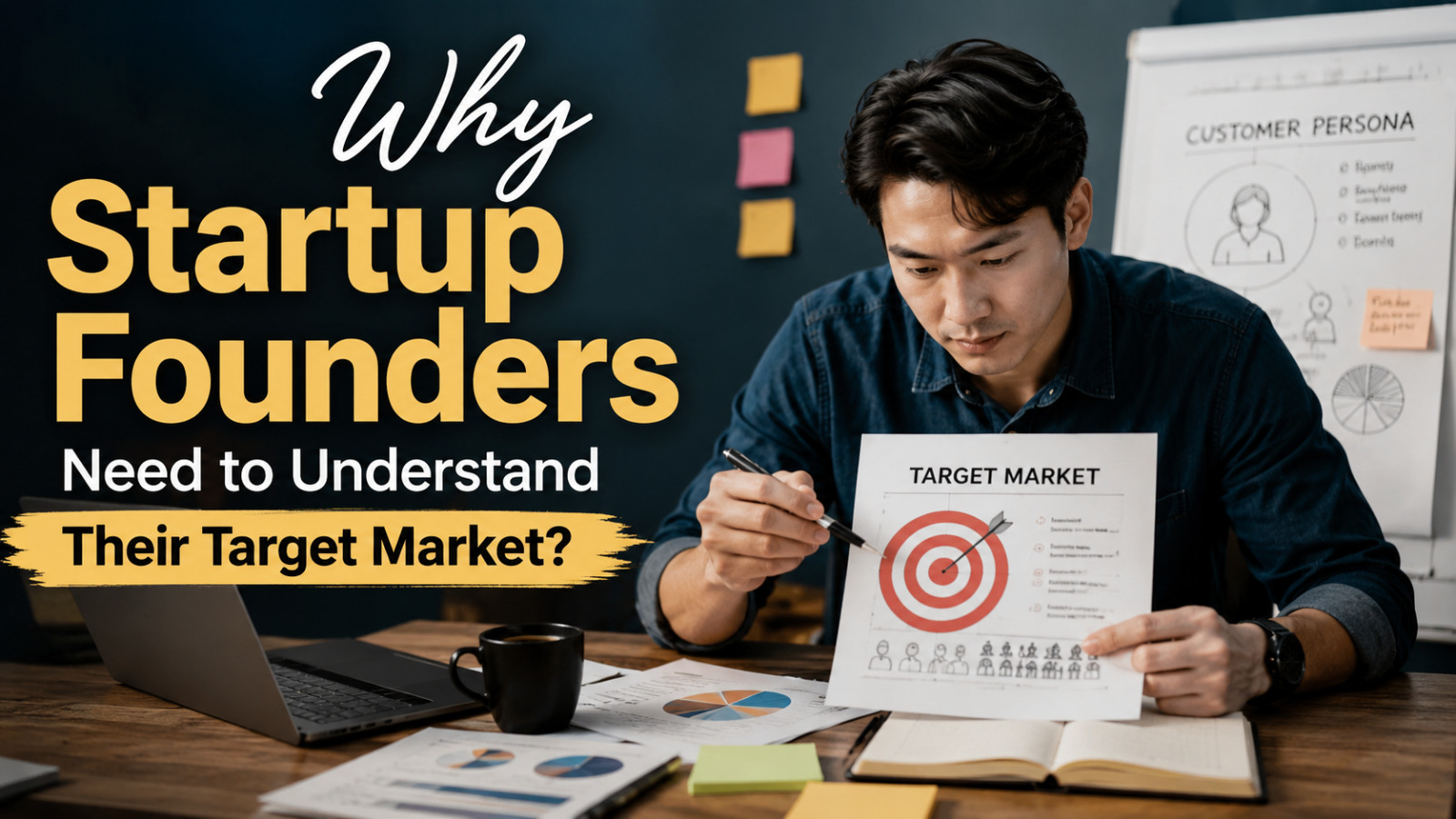
Understanding a target market is one of the most important factors in building a successful startup. Even the most innovative product can fail if it is offered to the wrong audience. Startup founders who know exactly who their customers are can create better products, develop effective marketing strategies, and increase customer satisfaction. This knowledge also helps businesses use their limited resources more efficiently. In today's competitive business environment, understanding the target market is no longer optional but a key foundation for long-term success.
WHAT IS A TARGET MARKET?
A target market refers to the specific group of customers who are most likely to purchase a company's products or services. These customers usually share similar characteristics such as age, location, interests, income level, lifestyle, or purchasing behavior. Identifying these traits allows startup founders to create products that truly solve customer problems.
Instead of trying to appeal to everyone, successful startups focus on serving a clearly defined audience. This approach makes marketing campaigns more effective, reduces unnecessary spending, and increases the likelihood of building strong customer relationships. A well-defined target market also provides valuable insights for future business growth.
WHY UNDERSTANDING YOUR TARGET MARKET MATTERS?
Knowing the target market helps startup founders make smarter business decisions from the beginning. When founders understand customer needs and preferences, they can design products that provide real value instead of relying on assumptions. This significantly improves the chances of achieving product-market fit.
A deep understanding of customers also supports better pricing strategies, branding, and customer service. Businesses that consistently meet customer expectations are more likely to gain trust, encourage repeat purchases, and generate positive word-of-mouth recommendations. These advantages contribute to sustainable business growth.
HOW TO IDENTIFY YOUR TARGET MARKET?
The first step is conducting thorough market research. Startup founders should collect information through surveys, interviews, online reviews, social media interactions, and competitor analysis. This research reveals customer pain points, buying habits, and expectations.
Another useful approach is creating detailed customer personas. These fictional profiles represent ideal customers based on real data. Personas help founders understand customer motivations, challenges, and goals, making it easier to develop products and marketing messages that resonate with the intended audience.
THE BENEFITS OF KNOWING YOUR CUSTOMERS
Businesses that understand their customers can improve both product quality and customer experience. Every business decision, from product development to advertising, becomes more focused because it is based on actual customer needs rather than guesses. This reduces wasted resources and increases operational efficiency.
Customer knowledge also strengthens brand loyalty. People are more likely to support brands that understand their problems and consistently provide valuable solutions. Loyal customers often become brand advocates, helping startups attract new customers through genuine recommendations.
COMMON MISTAKES STARTUP FOUNDERS SHOULD AVOID
One of the biggest mistakes is assuming everyone is a potential customer. Trying to satisfy every market segment often results in unclear branding and ineffective marketing campaigns. Successful founders understand that focusing on a specific audience usually produces better business results.
Another common mistake is failing to update customer research regularly. Consumer preferences change over time due to technology, economic conditions, and market trends. Startup founders should continuously collect customer feedback and adjust their strategies to remain competitive and relevant.
USING DATA TO IMPROVE BUSINESS DECISIONS
Modern startups have access to a wide range of data that can improve decision-making. Website analytics, customer surveys, purchase history, and social media engagement provide valuable information about customer behavior. Analyzing this data helps founders identify trends and make informed business decisions.
Data-driven strategies also reduce business risks. Instead of relying on intuition alone, startup founders can validate new ideas using real customer insights. This approach increases confidence when launching products, entering new markets, or refining marketing campaigns.
BUILDING LONG TERM SUCCESS THROUGH CUSTOMER UNDERSTANDING
Understanding the target market is not a one-time activity but an ongoing process. As businesses grow, customer expectations evolve, making continuous learning essential. Startup founders who remain connected to their audience can adapt more quickly to market changes and maintain a competitive advantage.
Long-term success depends on consistently delivering value to the right customers. By investing in market research, listening to customer feedback, and making data-driven decisions, startup founders can build stronger brands, improve customer loyalty, and create businesses that continue growing for years to come.
About the Author
Gusti Ayu Tita P
Author — STEKOM University
An active author focused on academic issues, educational technology, and human resource development in the campus environment.















