
Why Understanding Indonesian History Matters Today?
Gusti Ayu Tita P
5 Agustus 2026
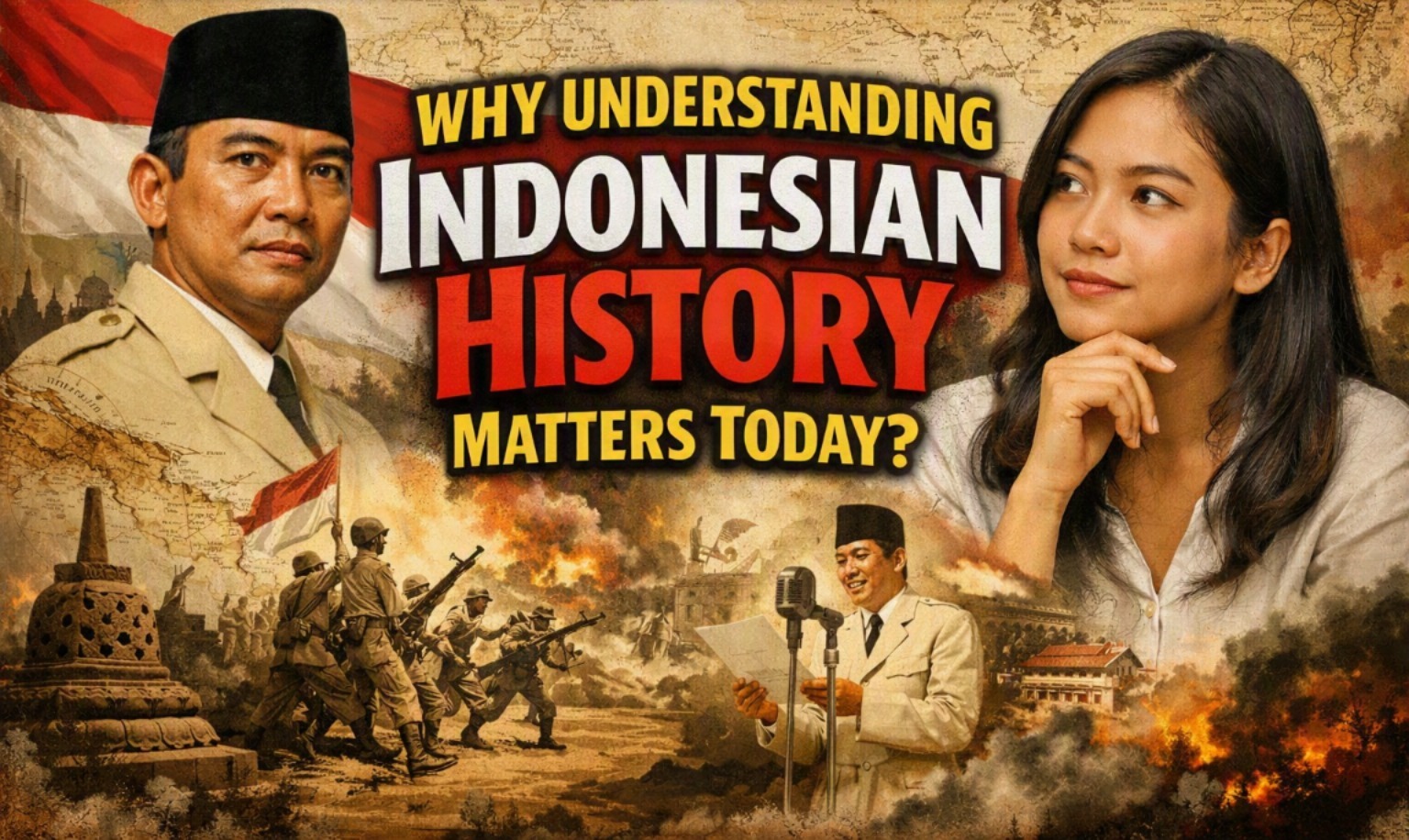
Indonesia is a nation with a rich historical journey that has shaped its identity, culture, and values. From the era of ancient kingdoms to the struggle for independence and the development of modern democracy, every period has contributed to the country's progress. Understanding Indonesian history is not only about remembering past events but also about learning valuable lessons that remain relevant today. It helps people appreciate the sacrifices of previous generations while encouraging them to contribute positively to society.
THE IMPORTANCE OF LEARNING INDONESIAN HISTORY
Learning Indonesian history allows people to understand how the country was formed through centuries of cultural interaction, political change, and national struggle. It explains how diverse communities united despite differences in ethnicity, language, and religion. This knowledge strengthens a sense of national identity and promotes respect for Indonesia's diversity.
History also provides insight into the challenges faced by earlier generations. By studying both achievements and mistakes, people can make better decisions in the present. A deeper understanding of the past encourages citizens to become more responsible in protecting national unity and supporting sustainable development.
LESSONS FROM THE STRUGGLE FOR INDEPENDENCE
The Indonesian independence movement demonstrated the importance of unity, perseverance, and cooperation. National heroes worked together despite different backgrounds because they shared the common goal of achieving freedom. Their determination remains an inspiring example for future generations.
The struggle also highlights the value of patriotism and public responsibility. Independence was achieved through sacrifice rather than chance, making it an achievement that deserves appreciation and protection. Understanding these historical events encourages people to preserve peace, democracy, and social harmony.
HOW HISTORY SHAPES NATIONAL IDENTITY?
History plays a significant role in building a nation's identity by connecting people with their shared heritage. Indonesia's historical experiences have created national symbols, traditions, and values that continue to unite citizens across the archipelago. These elements strengthen the feeling of belonging to one nation.
In addition, historical knowledge helps younger generations understand the meaning behind national celebrations, monuments, and cultural traditions. Instead of seeing them as ordinary events, they recognize their deeper significance. This awareness helps preserve cultural heritage while promoting mutual respect among different communities.
THE ROLE OF HISTORY IN MODERN EDUCATION
History education develops more than factual knowledge. It improves critical thinking, analytical skills, and the ability to evaluate information from multiple perspectives. Students learn to examine evidence, compare historical sources, and understand the causes and effects of important events.
These skills are highly valuable in today's digital world, where information spreads quickly through various media. Historical literacy enables people to identify misinformation and make informed decisions. As a result, studying history contributes to the development of knowledgeable and responsible citizens.
WHY INDONESIAN HISTORY REMAINS RELEVANT TODAY?
Modern Indonesia continues to face social, economic, environmental, and political challenges. Historical knowledge provides useful context for understanding these issues and finding practical solutions. Many current policies and institutions have roots in historical developments that still influence society today.
Understanding Indonesian history also encourages greater appreciation for democracy, diversity, and national cooperation. It reminds people that progress requires continuous effort and collective participation. By learning from the past, Indonesians can build a stronger, more inclusive, and prosperous future for the next generations.
CONCLUSION
Understanding Indonesian history is essential because it connects the past with the present and the future. It teaches valuable lessons about unity, leadership, cultural diversity, and national resilience. Historical knowledge strengthens national identity while encouraging responsible citizenship and informed decision-making. By appreciating Indonesia's historical journey, every generation can contribute to preserving the nation's achievements and creating a brighter future.
About the Author
Gusti Ayu Tita P
Author — STEKOM University
An active author focused on academic issues, educational technology, and human resource development in the campus environment.















