
Youngest Child In The Workplace Understanding Strengths And Challenges
Gusti Ayu Tita P
7 September 2026
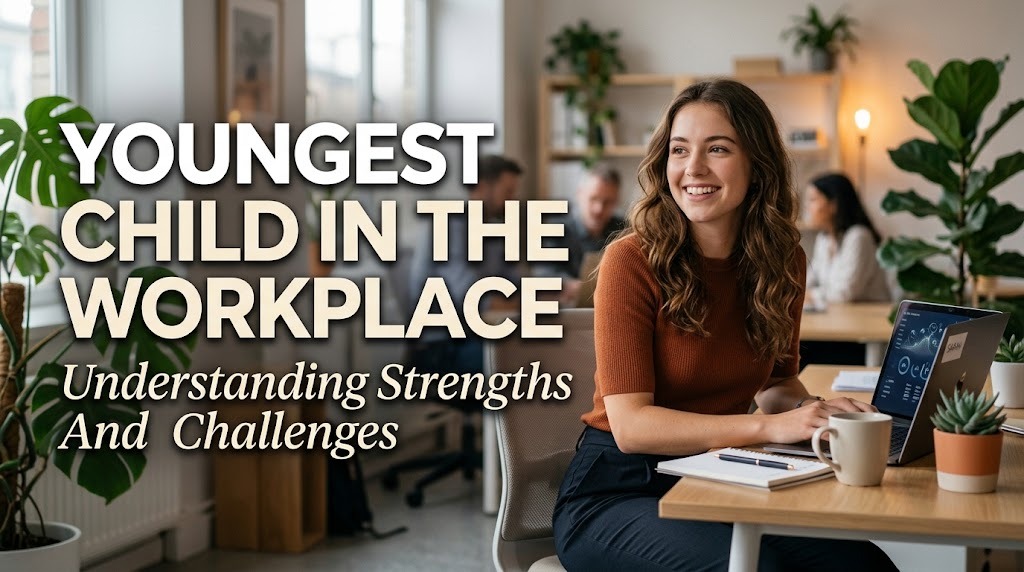
Entering the workplace brings new responsibilities, expectations, and challenges for everyone. Youngest children may bring experiences from their family environment that influence how they communicate, cooperate, and respond to different situations. Their interaction with parents and older siblings can sometimes help them develop adaptability, communication skills, and social awareness.
However, being the youngest child does not automatically determine how someone behaves at work. Individual personality, education, experience, and professional training have a much greater influence. Understanding potential strengths and challenges can help youngest children develop themselves and become more prepared for professional environments.
USING STRONG SOCIAL SKILLS
Youngest children may have frequent opportunities to interact with older siblings and different family members. These experiences can help some individuals become comfortable communicating with people who have different personalities. In the workplace, this ability can support teamwork and professional relationships.
Good social skills can also make it easier to participate in discussions and collaborate with colleagues. However, being friendly should still be balanced with professionalism and respect for workplace boundaries. Developing effective social communication can help youngest children build positive professional relationships.
DEVELOPING WORKPLACE INDEPENDENCE
Independence is an important quality in professional environments. Youngest children may sometimes be accustomed to receiving assistance from parents or older siblings. This habit can become a challenge if they depend too much on others when handling workplace responsibilities.
They can overcome this by learning to solve problems independently before asking for assistance. Taking initiative and completing tasks responsibly can gradually increase professional confidence. Developing workplace independence can make youngest children more reliable members of a team.
TURNING ADAPTABILITY INTO A STRENGTH
Youngest children may experience different situations while growing up with older siblings. They may learn to adjust to different personalities, routines, and family circumstances. This can potentially support adaptability in professional environments.
Workplaces often involve changes in tasks, technology, schedules, and team structures. Employees who can adapt without losing focus can respond more effectively to these changes. Youngest children can strengthen this quality by remaining open to learning and professional development.
MANAGING THE NEED FOR ATTENTION
Some youngest children may be accustomed to receiving attention from family members. In the workplace, however, attention and recognition are not always immediately available. Employees are generally expected to focus on their responsibilities and contribute to team goals.
Learning to work effectively without constant recognition can support professional maturity. Youngest children can focus on the quality of their work rather than depending on praise from others. Developing professional maturity can help them become more confident and independent.
BUILDING PROFESSIONAL CONFIDENCE
Confidence is important when presenting ideas, participating in meetings, or taking on new responsibilities. Youngest children should recognize that their position in the family does not determine their professional abilities. Their skills and achievements should become the foundation of their confidence.
Professional confidence develops through preparation and experience. Taking part in projects, learning new skills, and accepting constructive feedback can gradually strengthen confidence. With consistent practice, youngest children can become more comfortable taking initiative and expressing professional opinions.
HANDLING CRITICISM AND RESPONSIBILITY
Constructive criticism is a normal part of professional development. Youngest children may need to learn how to accept feedback without viewing it as a personal attack. Understanding feedback as an opportunity to improve can help them develop stronger professional skills.
Responsibility is equally important when working with others. Employees need to complete tasks, meet deadlines, and acknowledge mistakes when necessary. By developing accountability and resilience, youngest children can respond to workplace challenges more effectively.
CREATING A BALANCED PROFESSIONAL IDENTITY
Youngest children do not need to completely change their personalities when entering the workplace. Their friendliness, creativity, adaptability, and communication skills can become valuable professional strengths. At the same time, they need to develop discipline, independence, responsibility, and professionalism.
A balanced professional identity allows employees to remain authentic while meeting workplace expectations. They can maintain their positive personal qualities while continuously improving areas that need attention. This balance can help youngest children build a strong and sustainable career.
CONCLUSION
Youngest children may bring several potential strengths to the workplace, including social skills, adaptability, creativity, and communication abilities. At the same time, they may need to pay attention to independence, responsibility, professional confidence, and the ability to handle criticism.
Birth order does not determine workplace performance or career success. What matters is how individuals develop their skills and respond to professional challenges. By using their strengths while improving their weaknesses, youngest children can become responsible, adaptable, and successful professionals.
About the Author
Gusti Ayu Tita P
Author — STEKOM University
An active author focused on academic issues, educational technology, and human resource development in the campus environment.















