Youngest Child Is Often Considered Spoiled Is It Really Just A Myth?
Gusti Ayu Tita P
7 September 2026
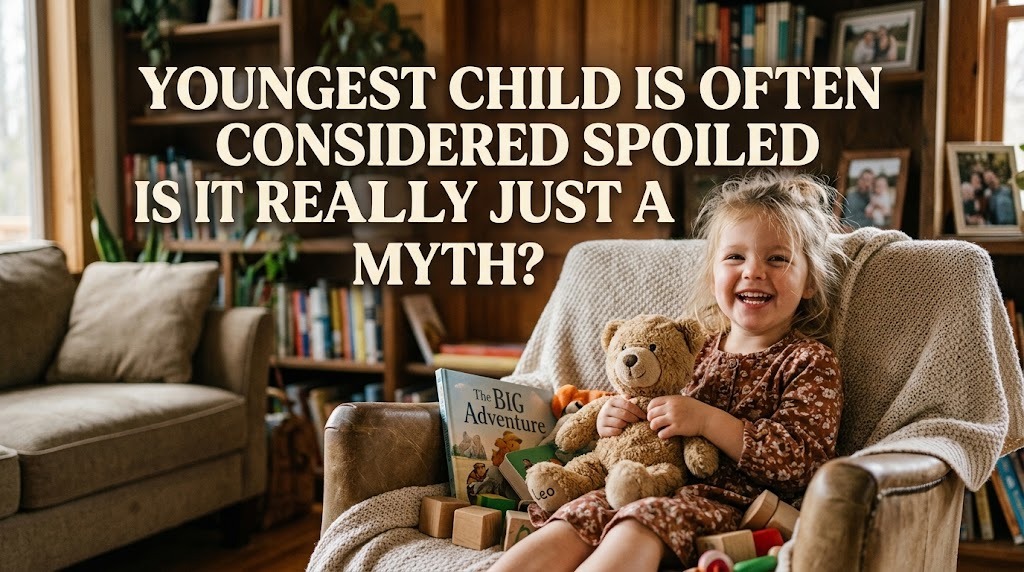
The youngest child is often associated with being spoiled, dependent, or receiving special treatment from family members. This perception can develop because parents may give more attention to the youngest member of the family, while older siblings are expected to be more independent. However, being the youngest child does not automatically mean someone is spoiled.
Every child grows up in a different family environment, and parenting styles can influence personality and behavior in many ways. Some youngest children may be independent and responsible, while others may rely heavily on their families. Therefore, it is important to understand the factors behind these behaviors instead of judging someone only by their birth order.
WHY ARE YOUNGEST CHILDREN OFTEN CONSIDERED SPOILED?
The youngest child may receive more attention because parents and older siblings naturally want to protect the youngest member of the family. In some families, older siblings may also help with daily activities or responsibilities. This can create the impression that the youngest child receives more assistance than others. Extra attention, however, does not necessarily mean that a child is spoiled.
Family circumstances can also change over time. Parents may become more relaxed when raising their youngest child because they have already gained experience from raising older children. As a result, some rules may be different from those applied to older siblings. These differences can sometimes create the perception that the youngest child receives special treatment.
BIRTH ORDER DOES NOT DETERMINE PERSONALITY
Birth order can be one part of a person's family experience, but it does not completely determine personality. The behavior of a youngest child can be influenced by parenting, education, social relationships, and personal experiences. Two youngest children from different families can have completely different personalities and levels of independence.
For example, one youngest child may grow into a confident and responsible person because their parents encourage independence. Another may become more dependent because family members frequently solve problems for them. These differences show that the family environment can have a significant role in shaping behavior. Therefore, stereotypes about youngest children should not be treated as universal facts.
ATTENTION CAN BECOME A POSITIVE ADVANTAGE
Receiving attention from family members is not always negative. Support and encouragement can help children develop emotional confidence and feel valued. A youngest child who receives positive guidance may become more comfortable expressing ideas and communicating with others. Healthy attention can become a foundation for confidence rather than a reason for dependence.
The important factor is how that attention is provided. Parents can support the youngest child while still giving them opportunities to make decisions and solve problems independently. This balance allows children to feel supported without becoming overly dependent. Support combined with responsibility can help children develop healthy independence.
DEPENDENCE CAN BE CHANGED THROUGH INDEPENDENCE
Some youngest children may become accustomed to receiving help from parents or older siblings. When this happens repeatedly, they may find it difficult to handle certain responsibilities alone. However, dependence is not a permanent characteristic. Independence can be developed gradually through everyday experiences and responsibilities.
Youngest children can begin by managing simple tasks themselves, such as organizing personal belongings, completing assignments, managing schedules, or making appropriate decisions. As they become comfortable with small responsibilities, they can take on more challenging tasks. This process helps build confidence and problem-solving skills. Over time, they can learn that asking for help is acceptable while still being capable of handling responsibilities independently.
YOUNGEST CHILDREN CAN DEVELOP STRONG SOCIAL SKILLS
Growing up with older siblings can give youngest children many opportunities to communicate with people of different ages. They may observe how their siblings interact with parents, friends, teachers, and other people. These experiences can help them learn different communication styles. Strong social skills can become an important advantage in education, relationships, and future careers.
Youngest children can strengthen these skills by participating in school activities, organizations, communities, or group projects. Working with different people teaches them how to listen, cooperate, express opinions, and handle disagreements. These abilities are useful far beyond family life. Good communication and teamwork can help turn social experience into a valuable personal strength.
HOW TO REPLACE THE SPOILED STEREOTYPE WITH POSITIVE HABITS?
The best way to overcome the spoiled stereotype is to focus on developing positive habits. Youngest children can practice taking responsibility, managing their time, making decisions, and completing tasks without always expecting assistance. Responsibility is one of the strongest ways to demonstrate that birth order does not define personal character.
Families can also contribute by giving the youngest child appropriate responsibilities and allowing them to experience the results of their decisions. Mistakes should be treated as learning opportunities rather than immediately being solved by others. With consistent practice, the youngest child can become more independent and confident. A supportive family environment should encourage both affection and personal responsibility.
CONCLUSION
The idea that youngest children are always spoiled is largely a stereotype rather than a rule that applies to everyone. Some youngest children may receive more attention or assistance, but this does not automatically make them dependent or irresponsible. Personality and behavior are influenced by many factors, including parenting, environment, education, and individual experiences.
Being the youngest child can also provide positive opportunities to develop communication, adaptability, creativity, and confidence. By learning to take responsibility and make independent decisions, youngest children can overcome negative stereotypes. What matters most is not birth order, but how a person develops their character, skills, and attitude throughout life.
About the Author
Gusti Ayu Tita P
Author — STEKOM University
An active author focused on academic issues, educational technology, and human resource development in the campus environment.