A Complete Guide to Using Electronic Stamp Duty for Online Documents
Gusti Ayu Tita P
21 Agustus 2026
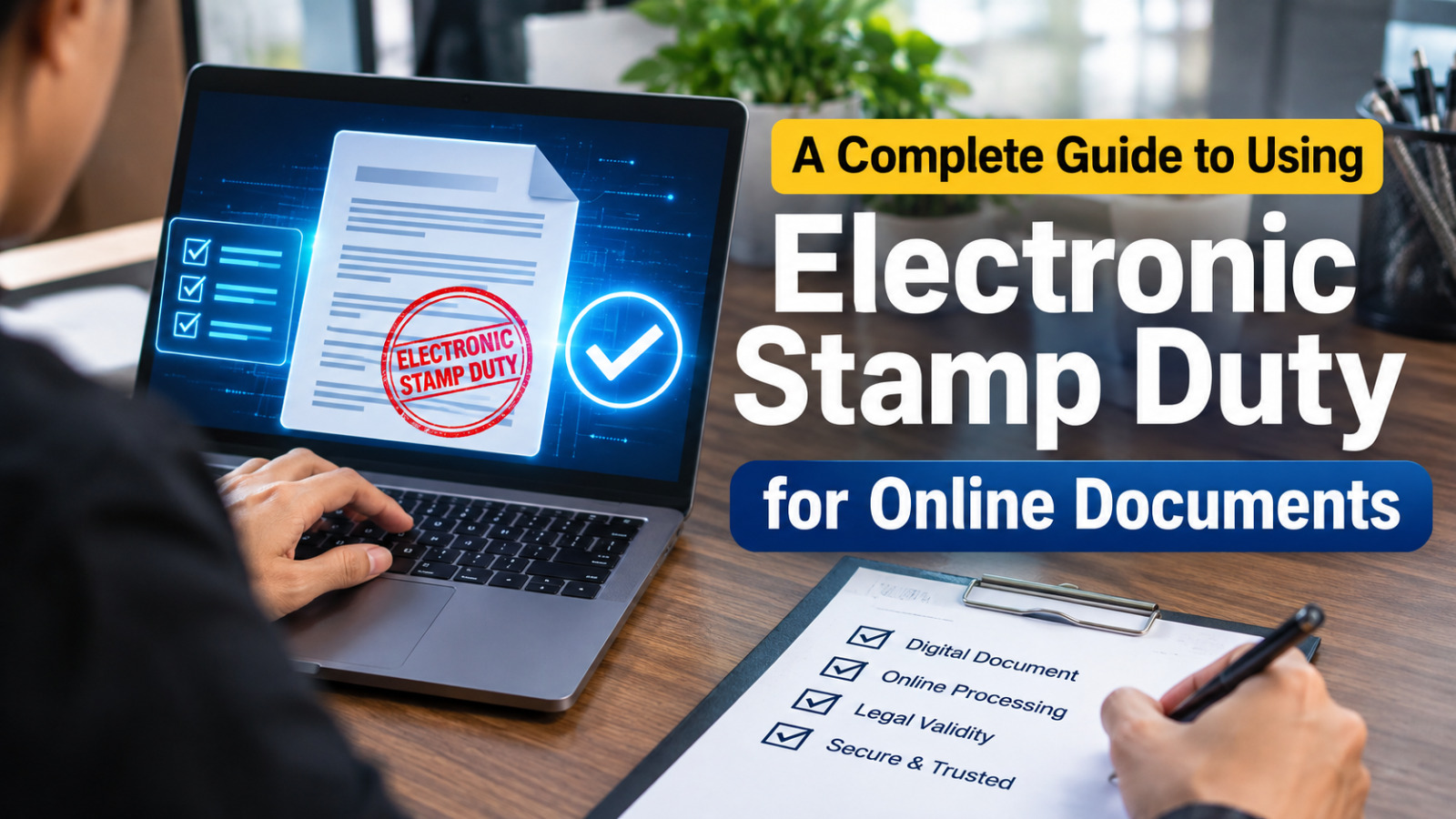
Electronic stamp duty has become an important part of modern digital administration. As more agreements, contracts, and business documents are created and signed online, organizations need a practical way to meet stamp duty requirements without relying on physical stamps. Electronic stamp duty allows eligible digital documents to be processed more conveniently while supporting modern paperless workflows. Understanding how it works can help individuals and businesses avoid common mistakes when handling important electronic documents.
UNDERSTANDING ELECTRONIC STAMP DUTY
Electronic stamp duty is a digital form of stamp duty applied to documents that meet applicable legal requirements. In Indonesia, electronic stamp duty is commonly known as e-Meterai and is designed for electronic documents that are subject to stamp duty. It does not replace the signature itself because stamp duty and a digital or electronic signature serve different legal and administrative purposes. Stamp duty generally relates to the taxation of certain documents, while a signature identifies the party agreeing to the contents of a document.
The use of electronic stamp duty is especially useful as document processing moves from paper to digital platforms. Instead of attaching a physical stamp to a printed document, an authorized electronic stamp can be placed on an eligible electronic file. Users should still check the applicable regulations and use an authorized provider when purchasing or applying electronic stamp duty. This helps ensure that the document is processed through a legitimate system and reduces the risk of using an invalid or inappropriate stamp.
WHEN ELECTRONIC STAMP DUTY IS NEEDED
Not every electronic document automatically requires electronic stamp duty. The requirement depends on the type and purpose of the document and the applicable stamp duty regulations. Documents involving agreements, declarations, receipts, or other legally specified matters may be subject to stamp duty depending on their circumstances. Therefore, users should determine whether their particular document falls within the category of documents subject to stamp duty before applying an electronic stamp.
For businesses, this step is important because many documents are created and exchanged electronically every day. Contracts, cooperation agreements, employment-related documents, and other formal records may require careful review before they are finalized. Applying electronic stamp duty simply because a document is digital can lead to unnecessary costs, while failing to apply it when required can create administrative problems. Checking the document category first is therefore one of the most important parts of the process.
HOW TO APPLY ELECTRONIC STAMP DUTY
The general process begins by preparing the final electronic document and confirming that it is eligible for electronic stamp duty. Users can then obtain an electronic stamp through an authorized channel and follow the provider's instructions for placing it on the document. The document should be reviewed carefully before the process is completed because important details should not be changed carelessly after the stamp has been applied. Users should also make sure that the electronic stamp is positioned appropriately and that the document remains readable.
After application, the completed document should be checked to ensure that the electronic stamp information is displayed correctly. Users should keep the original electronic file and related transaction records in a secure location for future reference. It is also important to distinguish electronic stamp duty from an electronic signature because they have different functions. Following the correct procedure can help prevent problems when the document is submitted, exchanged, or stored as part of an official digital process.
BENEFITS AND COMMON MISTAKES
One of the biggest advantages of electronic stamp duty is greater administrative convenience. Businesses can process eligible digital documents without printing them solely to attach a physical stamp, which can reduce unnecessary paperwork and support paperless administration. Digital processing can also make document workflows easier to organize, especially when agreements are handled between people in different locations. Electronic records can be stored and retrieved more efficiently when proper document management practices are used.
However, users should avoid common mistakes such as applying electronic stamp duty to the wrong document, using an unauthorized source, or treating the stamp as a replacement for a required signature. Another mistake is changing important document information after the stamp has been applied without understanding the consequences. Accuracy before finalization is essential because electronic documents may become important records for business, legal, or administrative purposes. Users should always follow current regulations and the official procedures provided by authorized electronic stamp duty services.
CONCLUSION
Electronic stamp duty provides a practical way to support digital document processing in an increasingly paperless environment. Its use can make administrative workflows more convenient while helping eligible documents meet applicable stamp duty requirements. Nevertheless, users need to understand when stamp duty is required and how electronic stamp duty differs from an electronic signature. By checking document eligibility, using authorized services, and reviewing files carefully before finalization, individuals and businesses can manage digital documents more effectively.
Tentang Penulis
Gusti Ayu Tita P
Penulis — Universitas STEKOM
Penulis aktif yang berfokus pada isu-isu akademik, teknologi pendidikan, dan pengembangan sumber daya manusia di lingkungan kampus.