
Advantages and Disadvantages of Nuclear Power Plants
Gusti Ayu Tita P
1 September 2026
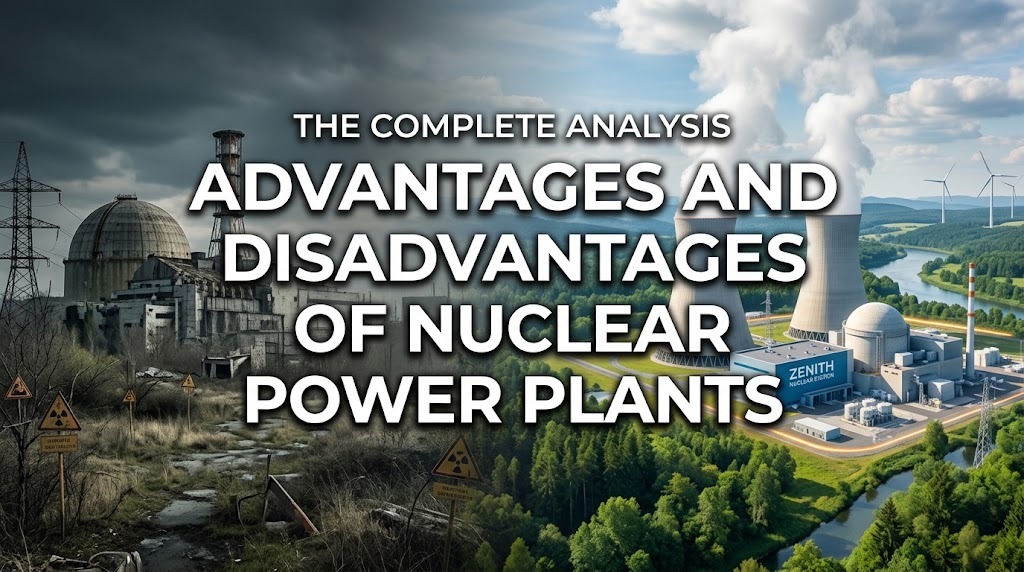
Nuclear power plants are an important source of electricity in many countries. They generate electricity through nuclear fission, a process that releases heat and uses it to produce steam, which drives turbines connected to generators. Nuclear energy is often discussed as an option for meeting growing electricity demand while reducing reliance on fossil fuels. However, nuclear power plants also involve challenges related to cost, radioactive waste, safety, and long term management.
Understanding the advantages and disadvantages of nuclear power plants is important before considering their role in the future energy system. Nuclear energy can provide stable electricity with relatively low greenhouse gas emissions during operation. At the same time, it requires strong safety standards, careful planning, and responsible waste management.
LOW GREENHOUSE GAS EMISSIONS
One major advantage of nuclear power plants is their low greenhouse gas emissions during electricity generation. Unlike coal and natural gas plants, nuclear reactors do not burn fossil fuels to produce heat. As a result, they do not directly release large amounts of carbon dioxide during normal electricity production. Nuclear power is therefore considered a low carbon source of electricity.
However, nuclear power is not completely free of emissions when its entire life cycle is considered. Uranium mining, fuel processing, construction, transportation, and plant decommissioning all require energy and materials. Even so, life cycle assessments generally place nuclear power among the lower greenhouse gas emitting electricity sources. This makes it a potential option for reducing emissions from the power sector.
RELIABLE ELECTRICITY GENERATION
Nuclear power plants can produce electricity continuously for long periods. Their operation is not directly dependent on sunlight or wind conditions, allowing them to provide stable power to the electricity grid. This reliability can be especially valuable when electricity demand is high. Nuclear plants can therefore contribute to a stable and dependable energy supply.
Nuclear fuel also contains a very high amount of energy compared with conventional fossil fuels. A relatively small amount of nuclear fuel can produce a large quantity of electricity. This reduces the need for frequent fuel deliveries during normal operation. However, nuclear plants still require careful fuel management and scheduled maintenance.
SUPPORT FOR ENERGY SECURITY
Nuclear energy can contribute to energy security by diversifying a country's electricity sources. Relying on several types of energy can reduce dependence on a single fuel or energy technology. Nuclear plants can also maintain large fuel inventories because nuclear fuel has high energy density. This can provide flexibility in managing fuel supplies.
Energy security benefits depend on the availability of nuclear expertise, infrastructure, regulations, and fuel supply arrangements. Countries considering nuclear power need to establish strong institutions and long term planning. They also need qualified workers to operate and regulate nuclear facilities safely. Without these supporting systems, the potential benefits of nuclear energy may be difficult to achieve.
HIGH INITIAL COSTS
One of the biggest disadvantages of nuclear power plants is their high upfront cost. Building a nuclear facility requires complex engineering, specialized equipment, strict safety systems, and extensive regulatory processes. Construction can also take many years before the plant begins commercial operation. These factors can make nuclear projects financially demanding.
The costs continue beyond the construction stage. Operators must pay for maintenance, fuel management, safety systems, security, waste management, and eventual decommissioning. Long term financial planning is therefore essential when developing a nuclear power project. Cost overruns and construction delays can also create significant financial risks.
RADIOACTIVE WASTE MANAGEMENT
Nuclear power plants produce radioactive waste that requires specialized management. Some forms of radioactive waste remain hazardous for very long periods and therefore need secure storage and careful monitoring. Waste management is different from ordinary industrial waste because radiation risks must be controlled. Appropriate facilities and procedures are essential throughout the waste management process.
Spent nuclear fuel also requires careful handling after it is removed from a reactor. Depending on national policy, it may be stored temporarily before further processing or long term disposal. Countries using nuclear energy need clear strategies for managing radioactive materials throughout their life cycle. Public communication and transparent regulation are also important for building confidence in waste management.
NUCLEAR SAFETY RISKS
Safety is one of the most important concerns surrounding nuclear power. Serious nuclear accidents are uncommon, but a major accident can have significant environmental, social, and economic consequences. Modern nuclear plants use multiple layers of protection and safety systems to reduce the likelihood and impact of accidents. Operators also follow strict procedures and receive specialized training.
Nuclear safety depends not only on reactor design but also on human performance, maintenance, regulation, emergency preparedness, and physical security. Independent oversight is important to ensure safety requirements are properly followed. Nuclear facilities must also prepare for external hazards such as earthquakes, flooding, extreme weather, and other potential threats. Strong safety culture is therefore essential throughout the entire operating life of a plant.
LAND AND WATER REQUIREMENTS
Nuclear power plants require land for the reactor, cooling systems, support facilities, and electricity infrastructure. Compared with some renewable energy systems, nuclear plants can produce large amounts of electricity from a relatively concentrated site. However, the construction process can still affect local ecosystems and land use. Careful site selection is necessary to reduce environmental impacts.
Water is another important consideration because many nuclear plants use water for cooling. Depending on the cooling system and location, large quantities of water may be withdrawn from rivers, lakes, or coastal areas. Heated water released back into the environment can affect aquatic ecosystems if thermal impacts are not properly controlled. Appropriate cooling technology and environmental monitoring can help manage these effects.
NEED FOR SPECIALIZED EXPERTISE
Operating a nuclear power plant requires highly trained professionals. Engineers, operators, radiation protection specialists, safety experts, maintenance workers, and regulators all have important responsibilities. Education and training must be maintained throughout the plant's operating life. Developing this workforce can take significant time and investment.
Strong institutions are equally important. Nuclear regulators must be capable of setting and enforcing safety requirements independently and effectively. Emergency response organizations must also be prepared to respond to unexpected events. These requirements make nuclear energy more demanding than simply building a power plant and connecting it to the electricity grid.
NUCLEAR POWER IN THE ENERGY TRANSITION
Nuclear power can play a role in reducing dependence on fossil fuels because it can provide low carbon electricity at a large scale. It can also complement variable renewable sources such as solar and wind by providing electricity when their output is lower. However, nuclear power is not the only solution to climate and energy challenges. Energy efficiency, renewable energy, electricity storage, grid improvements, and other technologies can also contribute to a cleaner energy system.
Each country needs to evaluate nuclear power according to its own electricity demand, financial capacity, natural conditions, industrial capabilities, and regulatory readiness. A technology that works well in one country may not necessarily be the best option for another. Decisions should consider the entire life cycle of the plant rather than focusing only on electricity production. A balanced assessment can help governments choose an energy mix that is reliable, affordable, and environmentally responsible.
CONCLUSION
The advantages and disadvantages of nuclear power plants should be considered together. Nuclear energy can provide reliable electricity, high energy density, and relatively low greenhouse gas emissions during its life cycle. However, nuclear projects require large investments, specialized expertise, strict safety systems, and long term radioactive waste management.
Nuclear power can be a valuable part of a low carbon energy system when it is developed and operated responsibly. Strong regulation, careful planning, transparent communication, and effective safety management are essential. Ultimately, the role of nuclear power should be determined by each country's energy needs, capabilities, and long term environmental and economic goals.
Tentang Penulis
Gusti Ayu Tita P
Penulis — Universitas STEKOM
Penulis aktif yang berfokus pada isu-isu akademik, teknologi pendidikan, dan pengembangan sumber daya manusia di lingkungan kampus.