Are Students Ready to Face the Challenges of the Modern Job Market?
Gusti Ayu Tita P
3 September 2026
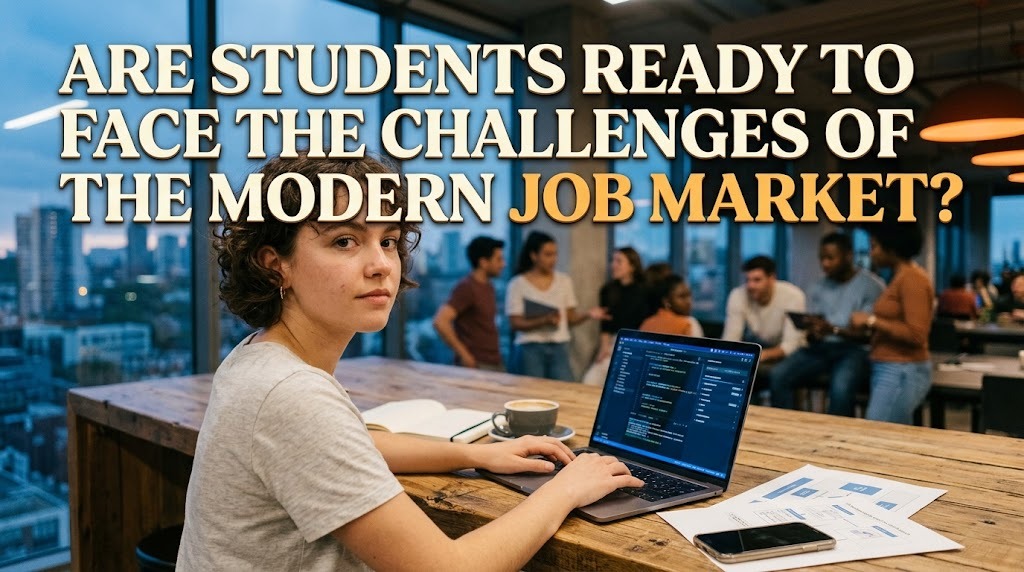
The modern job market is changing quickly because of technology, globalization, changing business needs, and new ways of working. Students are expected to have more than academic qualifications when they graduate. Employers often look for candidates who can communicate well, solve problems, use technology, and adapt to different situations. This raises an important question: are students truly ready to face the challenges of the modern job market? Preparing relevant skills while still studying can help students become more confident and competitive.
UNDERSTANDING THE MODERN JOB MARKET
The modern job market requires workers to be flexible and willing to learn continuously. Many companies use digital systems and technology in their daily operations, which changes the skills needed for different positions. Students therefore need to understand that job requirements can change over time. A skill that is highly valued today may need to be combined with new abilities in the future. Understanding these changes can help students prepare for their desired careers.
Students can learn about workplace expectations by reading job vacancies, attending career events, joining professional communities, and talking with experienced workers. These activities can provide useful information about the qualifications employers commonly request. Students should also research industries that match their interests and educational background. Career awareness allows them to make better decisions about the skills they need to develop.
THE IMPORTANCE OF DIGITAL SKILLS
Technology has become an important part of many workplaces. Students should have basic digital skills, including the ability to use productivity software, online communication platforms, digital research tools, and other technologies relevant to their field. Students in technical or specialized careers may also need more advanced software and technical knowledge. These skills can make everyday work more efficient and help employees adapt to digital environments.
However, digital skills are not only about knowing how to operate software. Students should also understand digital safety, responsible technology use, and information evaluation. They need to recognize unreliable information and protect their personal and professional data. Learning new digital tools regularly can help students remain adaptable as technology continues to develop.
COMMUNICATION AND TEAMWORK SKILLS
Strong communication skills are essential because employees interact with supervisors, coworkers, customers, and business partners. Students need to practice expressing ideas clearly, listening actively, writing professionally, and responding respectfully. Presentations, group assignments, organizations, and internships can provide useful opportunities to develop these abilities. Good communication can also help students perform better during job interviews.
Teamwork is equally important because many workplace tasks are completed collaboratively. Students should learn how to divide responsibilities, respect different opinions, manage disagreements, and contribute to shared goals. Effective teamwork requires both cooperation and accountability. Students who can work well with others may find it easier to adapt to professional environments.
PROBLEM SOLVING AND CRITICAL THINKING
The workplace does not always provide simple problems with obvious answers. Employees may need to analyze situations, identify causes, evaluate information, and choose practical solutions. Students can develop problem solving skills through projects, case studies, research assignments, competitions, and real-life activities. These experiences teach them to approach challenges systematically rather than reacting without careful consideration.
Critical thinking also helps students make better decisions. They should learn to question assumptions, compare different sources, and consider possible consequences before reaching conclusions. Critical thinking and problem solving are valuable because they can be applied across many industries. Students who develop these abilities can become more independent and effective when dealing with workplace challenges.
ADAPTABILITY AND WILLINGNESS TO LEARN
One of the biggest challenges in the modern job market is the speed at which workplaces change. New technologies, business models, and customer expectations can require employees to learn new methods. Students therefore need adaptability and a willingness to improve their abilities throughout their careers. Being comfortable with change can make it easier to handle unfamiliar tasks and responsibilities.
Students should not expect to know everything before getting their first job. Instead, they should develop a continuous learning mindset. Online courses, workshops, books, professional communities, and workplace training can help them expand their knowledge. A willingness to learn can become a valuable advantage when employers need workers who can grow with the organization.
PRACTICAL EXPERIENCE MATTERS
Academic knowledge provides an important foundation, but students also need opportunities to apply what they have learned. Internships, part-time jobs, volunteer activities, student organizations, and practical projects can provide valuable workplace experience. These activities can teach students about deadlines, teamwork, responsibility, communication, and professional behavior. They also help students understand the difference between classroom learning and real workplace situations.
Practical experience can strengthen a student's resume and portfolio. It gives students examples they can discuss during job interviews and demonstrates that they have applied their skills in real situations. Students should focus not only on collecting certificates but also on building meaningful experiences. The quality and relevance of an experience can be more useful than simply having a long list of activities.
PROFESSIONAL ATTITUDE AND WORK ETHIC
Technical abilities are important, but employers also value a strong professional attitude and work ethic. Students should develop habits such as being punctual, responsible, honest, disciplined, and respectful toward others. These qualities can be practiced through everyday academic and organizational activities. Consistent professional behavior can help build trust in the workplace.
Students should also learn how to accept feedback and take responsibility for mistakes. Nobody performs perfectly all the time, especially when learning something new. Being willing to improve after receiving feedback shows maturity and a positive attitude. These qualities can help students build stronger professional relationships and handle workplace challenges more effectively.
BUILDING CONFIDENCE BEFORE GRADUATION
Confidence can influence how students present their abilities to potential employers. Students can build confidence by practicing interviews, preparing a professional resume, creating a portfolio, and participating in projects related to their career interests. Preparation is one of the best ways to build professional confidence. The more familiar students are with their abilities and experiences, the easier it becomes to explain their strengths.
However, confidence should be balanced with humility and a willingness to learn. Students do not need to pretend that they know everything. Instead, they should be able to explain what they can do while showing that they are willing to develop further. Self-awareness and confidence can help students make a positive impression during recruitment and in their first professional experiences.
CONCLUSION
Students can be ready to face the modern job market when they prepare themselves beyond academic achievement. Digital skills, communication, teamwork, problem solving, adaptability, practical experience, and professional attitudes are important areas to develop before graduation. Students should also understand current workplace expectations and continue learning as industries change. Gaining practical experience can help connect classroom knowledge with real professional situations. With consistent preparation and a willingness to improve, students can become more confident and competitive when entering the world of work.
Tentang Penulis
Gusti Ayu Tita P
Penulis — Universitas STEKOM
Penulis aktif yang berfokus pada isu-isu akademik, teknologi pendidikan, dan pengembangan sumber daya manusia di lingkungan kampus.