Basic Internet Safety Tips to Protect Your Personal Data
Gusti Ayu Tita P
7 Agustus 2026
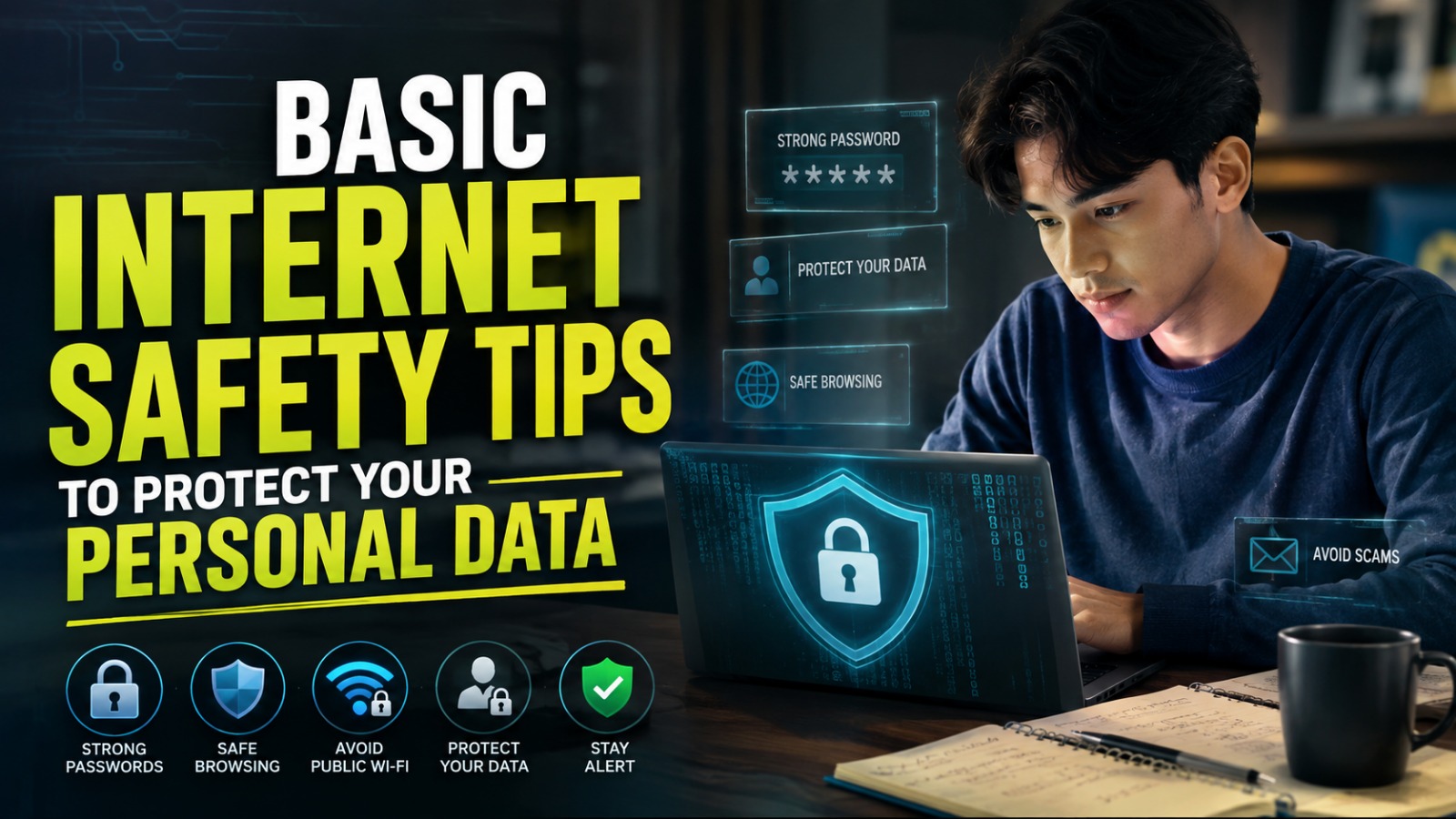
The internet has become an essential part of daily life, allowing people to communicate, work, study, shop, and manage finances online. While these conveniences offer many benefits, they also increase the risk of data theft, cybercrime, and online scams. Personal information such as passwords, banking details, and identity documents can be targeted by cybercriminals if proper security measures are not taken. Understanding basic internet safety is one of the most effective ways to protect your personal data. By practicing safe online habits, anyone can significantly reduce the risk of becoming a victim of cyber attacks.
WHY PERSONAL DATA PROTECTION IS IMPORTANT?
Personal data is valuable because it can be used to access financial accounts, social media profiles, and sensitive personal information. If cybercriminals gain access to this data, they may commit identity theft, financial fraud, or unauthorized account access. Losing control of personal information can result in significant financial and emotional consequences.
Protecting personal data also helps maintain privacy and security in both personal and professional life. Companies, schools, and government institutions increasingly rely on digital platforms that require secure user information. Practicing strong online security benefits not only individuals but also the organizations they interact with.
CREATE STRONG PASSWORDS AND ENABLE MULTI FACTOR AUTHENTICATION
One of the simplest yet most effective security practices is using strong passwords. A secure password should include a combination of uppercase letters, lowercase letters, numbers, and special characters while avoiding easily guessed information such as birthdays or names. Each online account should have a unique password to minimize damage if one account is compromised.
Enabling multi factor authentication provides an additional layer of protection. Even if someone discovers your password, they still need a verification code sent to your phone or authentication app. This extra step greatly reduces the chances of unauthorized access.
RECOGNIZE PHISHING ATTEMPTS AND ONLINE SCAMS
Phishing attacks are designed to trick users into revealing sensitive information through fake emails, websites, or messages. Cybercriminals often pretend to represent banks, online stores, or government agencies. Before clicking any link, carefully verify the sender's identity and inspect the website address.
Avoid downloading unknown attachments or responding to suspicious requests for personal information. Legitimate organizations rarely ask for passwords or financial details through email or text messages. Staying cautious is one of the best defenses against online fraud.
KEEP YOUR DEVICES AND SOFTWARE UPDATED
Regularly updating your operating system, applications, and antivirus software helps protect against newly discovered security vulnerabilities. Software updates often contain important security patches that prevent hackers from exploiting weaknesses. Ignoring updates can leave your devices exposed to malware and ransomware.
Installing reliable antivirus software and enabling automatic updates adds another layer of defense. Regular system scans can identify harmful files before they cause serious damage. Combining updates with antivirus protection significantly improves digital security.
PRACTICE SAFE INTERNET BROWSING HABITS
Always use secure websites that begin with HTTPS when entering personal or financial information. Public Wi-Fi networks should be avoided for sensitive activities such as online banking because they are often less secure. If public Wi-Fi must be used, consider connecting through a trusted Virtual Private Network or VPN.
Be cautious about the information you share on social media. Oversharing personal details such as your address, phone number, or travel plans can make you an easier target for cybercriminals. Reviewing privacy settings regularly helps control who can access your information.
CONCLUSION
Protecting personal data requires consistent awareness and responsible online behavior. Using strong passwords, enabling multi factor authentication, recognizing phishing attempts, updating software, and browsing safely are essential steps toward improving internet security. Small preventive actions can significantly reduce the risk of cyber threats and identity theft. By following these basic internet safety tips, individuals can enjoy the benefits of the digital world while keeping their personal information secure.
Tentang Penulis
Gusti Ayu Tita P
Penulis — Universitas STEKOM
Penulis aktif yang berfokus pada isu-isu akademik, teknologi pendidikan, dan pengembangan sumber daya manusia di lingkungan kampus.