Benefits of Flag Ceremonies for Character Education in Schools
Gusti Ayu Tita P
5 Agustus 2026
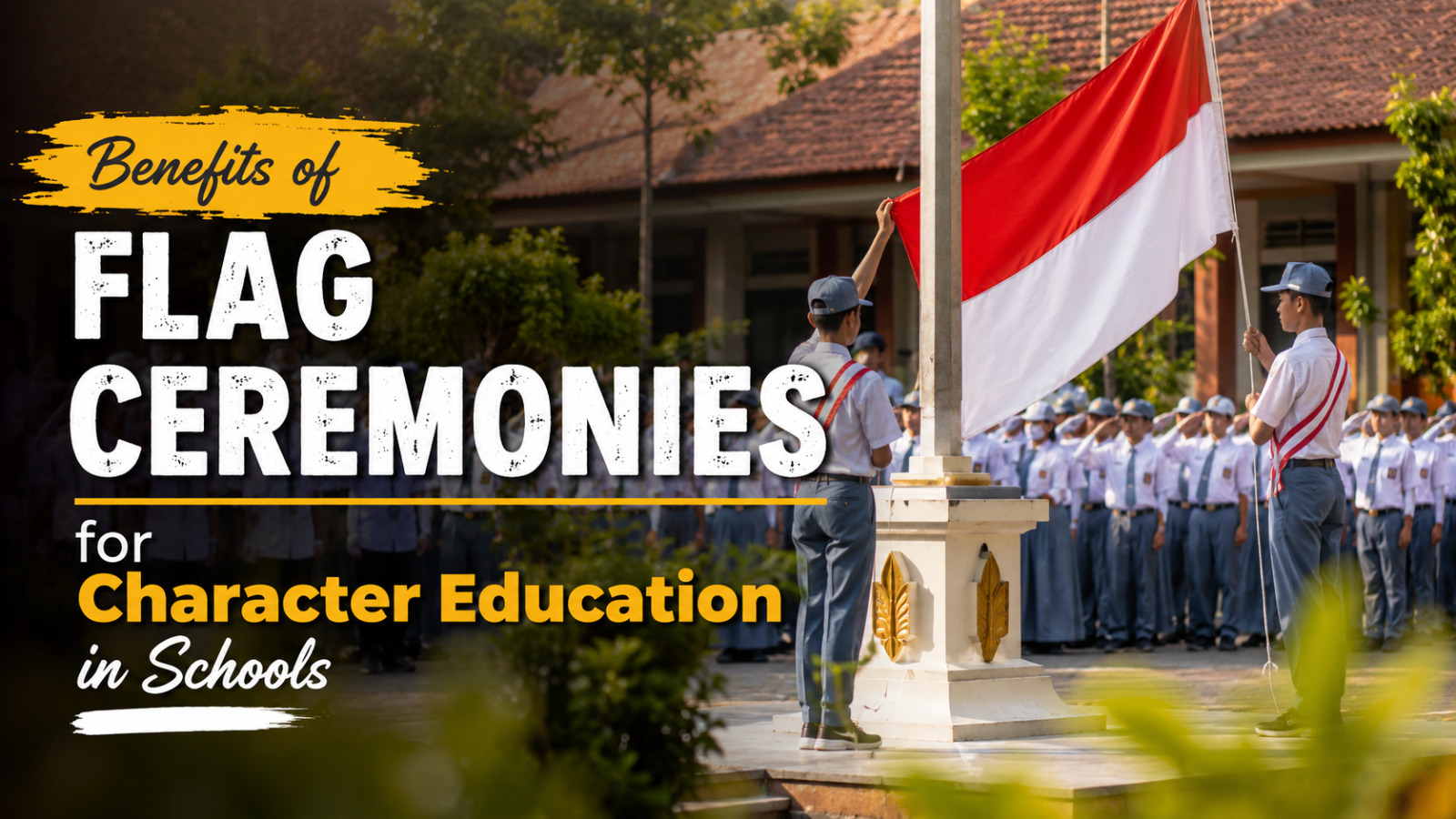
Flag ceremonies are an important part of school life and play a significant role in character education. They are not only formal events to honor the national flag but also valuable opportunities to teach students discipline, responsibility, respect, and patriotism. Through regular participation, students develop positive habits that influence their behavior both inside and outside the classroom. For this reason, flag ceremonies continue to be an essential educational activity in many schools.
THE IMPORTANCE OF CHARACTER EDUCATION
Character education helps students develop positive attitudes and moral values that support their personal growth. A flag ceremony provides a practical way for students to practice these values instead of only learning about them in class. They learn to follow school rules, respect others, and participate responsibly in every activity. These experiences encourage students to become disciplined and trustworthy individuals. Strong character also helps students make better decisions in their daily lives.
In addition, character education prepares students to become responsible members of society. It teaches them the importance of honesty, respect, and cooperation when interacting with others. These qualities are essential for creating a positive school environment and a better future.
HOW FLAG CEREMONIES BUILD CHARACTER
Flag ceremonies help students build discipline through regular routines and clear expectations. Students are expected to arrive on time, wear proper uniforms, and participate respectfully throughout the ceremony. Repeating these habits every week encourages responsibility and self-discipline. Over time, these behaviors become part of students' daily lives. This consistent practice strengthens their overall character.
The ceremony also develops respect for national symbols, teachers, classmates, and school rules. Students learn that every participant has an important role in maintaining order and showing respect during the event. These lessons promote kindness, responsibility, and good citizenship.
PROMOTING PATRIOTISM AND UNITY
One of the greatest benefits of flag ceremonies is encouraging patriotism among students. By raising the national flag and singing the national anthem, students remember the struggles and sacrifices of those who contributed to their country's independence. This experience strengthens their sense of national identity and pride. It also inspires them to contribute positively to their nation in the future.
Flag ceremonies also promote unity by bringing students from different backgrounds together in one meaningful activity. They learn to appreciate diversity while working toward the same purpose. This spirit of unity helps create a respectful and harmonious school community.
THE ROLE OF SCHOOLS IN CHARACTER DEVELOPMENT
Schools play a key role in ensuring that flag ceremonies provide meaningful educational experiences. Teachers should explain the values behind each part of the ceremony so students understand its importance. When students recognize the purpose of the activity, they participate with greater enthusiasm and sincerity. This approach makes character education more effective and lasting.
Schools should also encourage students to become ceremony officers on a rotating basis. This opportunity develops leadership, teamwork, and self-confidence while teaching students to take responsibility for important tasks. These experiences help strengthen their character and prepare them for future challenges.
CONCLUSION
Flag ceremonies provide many benefits for character education in schools. They help students develop discipline, responsibility, respect, patriotism, and teamwork through meaningful experiences. With consistent guidance from teachers and active participation from students, flag ceremonies become an effective way to build responsible, confident, and ethical young people who are ready to contribute to society.
Tentang Penulis
Gusti Ayu Tita P
Penulis — Universitas STEKOM
Penulis aktif yang berfokus pada isu-isu akademik, teknologi pendidikan, dan pengembangan sumber daya manusia di lingkungan kampus.