Best Strategies for Beating Congestion on the Return Trip
Gusti Ayu Tita P
10 Agustus 2026
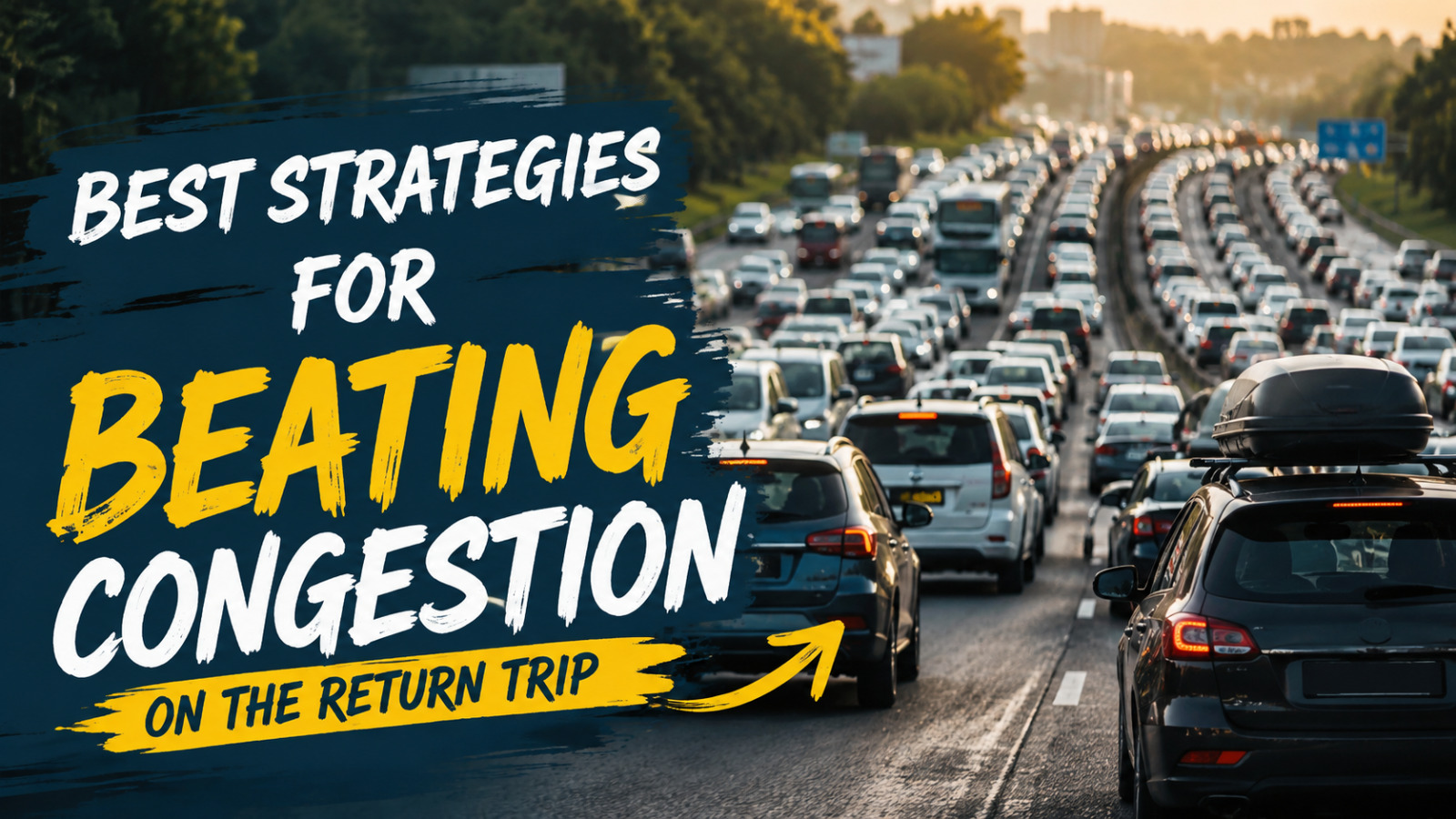
Returning home after a holiday can be challenging, especially when thousands of travelers use the same roads at nearly the same time. Heavy traffic, long queues, tired drivers, and limited rest opportunities can make the journey more stressful. With proper planning, however, travelers can reduce delays and make the trip safer and more comfortable.
Knowing when to leave, choosing the right route, preparing the vehicle, and staying updated about road conditions are important steps. These strategies can help travelers handle return trip congestion more effectively while reducing unnecessary risks on the road.
CHOOSE THE RIGHT DEPARTURE TIME
One of the most effective ways to avoid congestion is to choose a departure time carefully. Travelers should avoid leaving during peak return hours, when large numbers of vehicles are expected to enter major cities and transportation corridors. Depending on the destination and route, traveling earlier in the morning or later at night may provide a less crowded journey.
It is also important to check traffic information before leaving. Real time traffic updates can help travelers identify busy roads, accidents, road closures, or temporary traffic restrictions. A flexible departure schedule allows travelers to adjust their plans when traffic conditions suddenly change.
PLAN YOUR ROUTE BEFORE LEAVING
A well-planned route can make a significant difference during a busy holiday return period. Travelers should identify the main route, alternative roads, rest areas, fuel stations, and possible congestion points before starting the journey. Having an alternative route can be particularly useful if the primary road becomes heavily congested.
However, travelers should not automatically choose smaller roads simply because they appear less crowded on a navigation application. Some alternative roads may be narrow, poorly maintained, or unsuitable for large numbers of vehicles. Route safety should always be considered together with travel time when selecting a road.
USE TRAFFIC INFORMATION WISELY
Technology can help travelers make better decisions during a long return journey. Navigation applications can provide information about traffic density, estimated travel times, accidents, and road conditions. Checking these updates regularly can help drivers determine whether they should continue on the current route or consider another option.
Travelers should still avoid becoming too dependent on their smartphones while driving. The driver should focus on the road, while a passenger can monitor navigation and traffic updates when possible. Safe use of technology is more important than constantly checking the estimated arrival time.
TAKE REGULAR REST BREAKS
Long-distance driving becomes more difficult when drivers are tired. Fatigue can reduce concentration, slow reaction times, and make it harder to respond to unexpected situations. Travelers should therefore schedule regular rest breaks instead of trying to complete the journey without stopping.
Rest areas, service stations, and other safe locations can provide opportunities to stretch, eat, drink, and recover before continuing. If a driver feels extremely sleepy, stopping for a proper rest is more important than reaching the destination quickly. Arriving safely should always be the main priority during a long return trip.
PREPARE THE VEHICLE BEFORE THE JOURNEY
Vehicle preparation should be completed before entering a busy highway or long-distance route. Drivers should check the tires, brakes, engine oil, coolant, lights, battery, windshield wipers, and fuel level. These basic inspections can reduce the possibility of mechanical problems during the journey.
Travelers should also make sure emergency equipment is available in the vehicle. A spare tire, warning triangle, basic tools, first aid supplies, and sufficient drinking water can be useful if an unexpected problem occurs. A well-maintained vehicle provides greater confidence and safety during heavy return traffic.
AVOID AGGRESSIVE DRIVING
Heavy congestion can make drivers impatient, particularly when vehicles move slowly for hours. Changing lanes repeatedly, driving too closely behind another vehicle, or forcing other drivers to give way can increase the risk of accidents. Drivers should maintain a safe following distance and adjust their speed according to road conditions.
Patience is especially important when traffic begins to move again after a long stop. Sudden acceleration can create dangerous situations because vehicles ahead may stop unexpectedly. Calm and defensive driving helps protect everyone using the road.
TRAVEL WITH ENOUGH SUPPLIES
Preparing basic supplies before departure can make a congested journey much more comfortable. Travelers should carry enough drinking water, snacks, medicines, phone chargers, and personal necessities for the expected duration of the trip. Extra supplies can be useful if traffic delays become longer than expected.
Families traveling with children should prepare additional items such as food, entertainment, spare clothing, and other necessities. Proper preparation reduces the need to make unnecessary stops in crowded areas. Simple preparation can make a major difference when the journey takes longer than planned.
STAY INFORMED ABOUT ROAD RESTRICTIONS
During major holiday return periods, authorities may introduce temporary traffic arrangements to manage vehicle movements. These measures can include one way traffic systems, lane adjustments, toll road regulations, or other traffic management policies. Travelers should check official information before beginning their journey.
Road conditions can also change because of accidents, construction, weather, or unexpected events. Travelers should therefore remain flexible instead of relying entirely on a travel plan created several hours earlier. Updated information allows travelers to respond more effectively to changing conditions.
CONCLUSION
Beating congestion on a holiday return trip requires more than simply finding a faster road. Travelers can improve their journey by choosing the right departure time, planning alternative routes, checking traffic information, maintaining their vehicles, and taking regular rest breaks. These preparations can reduce stress and help prevent avoidable problems.
Most importantly, travelers should not sacrifice safety to save a few minutes. Patience, preparation, and responsible driving are essential when roads become crowded. With careful planning and realistic expectations, the return journey can be safer, smoother, and more comfortable for everyone.
Tentang Penulis
Gusti Ayu Tita P
Penulis — Universitas STEKOM
Penulis aktif yang berfokus pada isu-isu akademik, teknologi pendidikan, dan pengembangan sumber daya manusia di lingkungan kampus.