
Campus Fashion and the Construction of Youth Social Identity
Gusti Ayu Tita P
2 Maret 2026
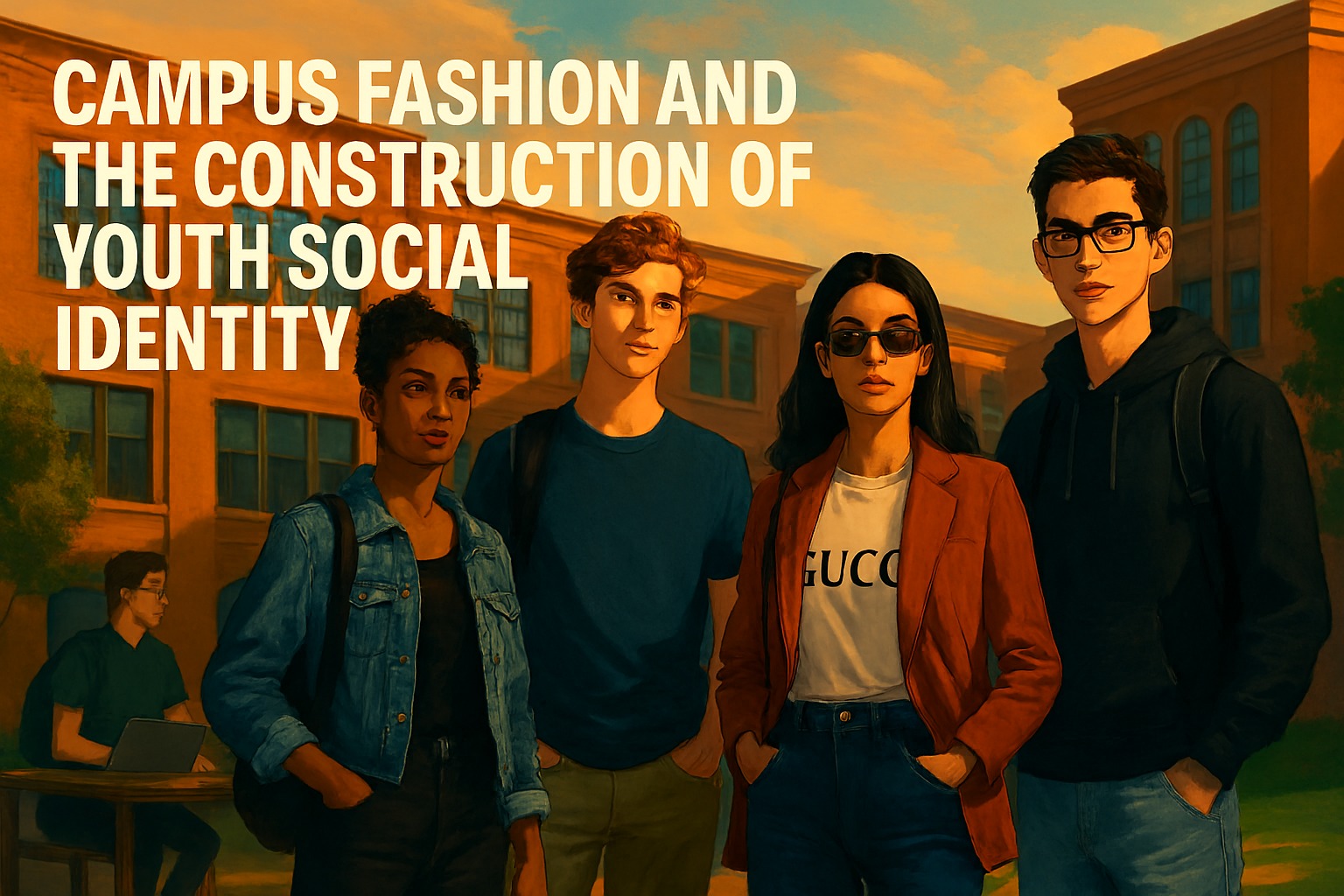
Campus life is not only about lectures, assignments, and academic achievements. It is also a social environment where young people build friendships, explore values, and develop their identities. One visible part of this process is campus fashion, which includes clothing, footwear, accessories, hairstyles, and personal styling. The way students dress can influence how they see themselves and how others perceive them. For this reason, fashion can become an important part of youth social identity.
FASHION AS A FORM OF SELF EXPRESSION
Fashion gives students a simple way to communicate aspects of their personality without using words. Some students prefer comfortable and simple clothing, while others enjoy colorful, creative, or fashionable outfits. These choices can reflect personal preferences, interests, confidence, and lifestyle. Students may also change their style as they discover new interests and experiences. This process allows young people to explore different aspects of their identity.
Campus provides a relatively diverse environment where students can experiment with their appearance. They may choose different outfits for lectures, organization activities, presentations, or social events. Such changes do not necessarily mean that their identity is inconsistent. Instead, they can demonstrate that identity develops through interaction and experience. Fashion becomes one of several tools students use to communicate who they are.
CULTURAL IDENTITY THROUGH CLOTHING
Clothing can be an important way for students to express their cultural backgrounds. Traditional garments, local fabrics, religious clothing, or culturally meaningful accessories can reflect a person's heritage. These choices can help young people maintain a connection with their families and communities. Cultural identity can be expressed through modern fashion without losing its original meaning. Students can combine traditional elements with contemporary styles according to their preferences.
Campus environments often bring together students from different regions and cultural backgrounds. This diversity creates opportunities to learn about different traditions and perspectives. Respectful interaction can help students appreciate differences rather than treat them as unusual. Fashion diversity can strengthen social understanding among students. It can also make campus culture more inclusive and dynamic.
ECONOMIC DIFFERENCES AND FASHION PRESSURE
Students come from different economic backgrounds, and this can affect their ability to follow fashion trends. Some may have more money to purchase new clothes or well-known brands, while others need to prioritize essential expenses. When expensive fashion becomes associated with popularity, students with limited resources may feel excluded. Economic differences can influence social experiences even when students rarely discuss money directly. This situation can create insecurity and unnecessary competition.
Fortunately, personal style does not require a large budget. Students can create attractive outfits through affordable clothing, second hand products, creative combinations, and responsible shopping. Creativity is not determined by clothing prices. Choosing practical and affordable fashion can also encourage students to become more financially responsible. A supportive campus should value students for their character and contribution rather than their spending ability.
FASHION AND GENDER EXPRESSION
Fashion can provide students with opportunities to explore how they want to present themselves. Choices involving colors, clothing shapes, accessories, and hairstyles can reflect individual preferences and forms of gender expression. Young people may experiment with different styles as they develop greater awareness of themselves. These choices can change over time as personal experiences and social environments change. Fashion therefore becomes part of an ongoing identity development process.
Students should also respect that individuals have different preferences and comfort levels. Differences in appearance should not automatically become reasons for ridicule or exclusion. Respectful campus interactions allow students to express themselves while maintaining consideration for others. A welcoming environment can help students feel more comfortable during an important stage of personal development.
FASHION AND SOCIAL STATUS
Fashion can sometimes influence perceptions of popularity and social position. Students who follow current trends or own recognizable products may receive more attention from their peers. However, social status based on appearance can change quickly because trends and preferences are constantly changing. Relying heavily on appearance for social recognition may create pressure to maintain a particular image. This can make students feel that they must continuously spend money to remain accepted.
More lasting forms of recognition can come from academic achievement, leadership, creativity, kindness, and useful contributions. Fashion can support personal presentation, but it should not become the main measure of someone's worth. Character and ability create stronger foundations for meaningful relationships. Students can enjoy fashion while maintaining a healthy perspective about its social importance.
BUILDING AN AUTHENTIC PERSONAL STYLE
Developing a personal style can help students become more confident and comfortable with their appearance. Instead of following every trend, students can identify clothing that matches their personality, activities, and budget. Authentic style does not require expensive products or constant shopping. It can develop through experimentation, observation, and an understanding of personal preferences. Students can gradually discover what makes them feel comfortable and confident.
Practicality should also be considered when choosing campus clothing. Students often need outfits that allow them to attend classes, participate in activities, and move comfortably throughout the day. Choosing useful and versatile clothing can reduce unnecessary spending. Confidence grows when students feel comfortable with their own choices, rather than depending entirely on external approval. This approach allows fashion to become a positive part of student life.
BUILDING A HEALTHY CAMPUS FASHION CULTURE
A healthy campus environment should allow students to express themselves without excessive judgment. Students can appreciate different styles while understanding that everyone has different financial situations, cultures, and preferences. Respect for diversity can reduce social pressure related to appearance. Teachers, student organizations, and peer groups can contribute by promoting inclusive activities and respectful communication. Fashion can then become an opportunity for creativity instead of competition.
Students can also encourage one another to make thoughtful consumption decisions. Buying clothing based on actual needs, choosing durable products, and avoiding unnecessary purchases can support financial responsibility. At the same time, students should not feel ashamed of wearing affordable or simple clothing. Social acceptance should be based on mutual respect rather than material possessions. This creates a campus culture where identity is celebrated without creating unnecessary social divisions.
CONCLUSION
Campus fashion plays an important role in the construction of youth social identity because clothing allows students to express personality, culture, belonging, and individual preferences. Peer groups, social media, brands, economic conditions, and cultural backgrounds can all influence fashion choices. However, students should not measure their worth by expensive clothing, popular brands, or the latest trends. Authenticity, confidence, cultural respect, and personal character provide stronger foundations for identity development. When students appreciate different styles and backgrounds, campus fashion can become a positive form of self expression rather than a source of social pressure.
Tentang Penulis
Gusti Ayu Tita P
Penulis — Universitas STEKOM
Penulis aktif yang berfokus pada isu-isu akademik, teknologi pendidikan, dan pengembangan sumber daya manusia di lingkungan kampus.















