Can Abstaining From Voting Influence Election Results?
Gusti Ayu Tita P
15 Oktober 2026
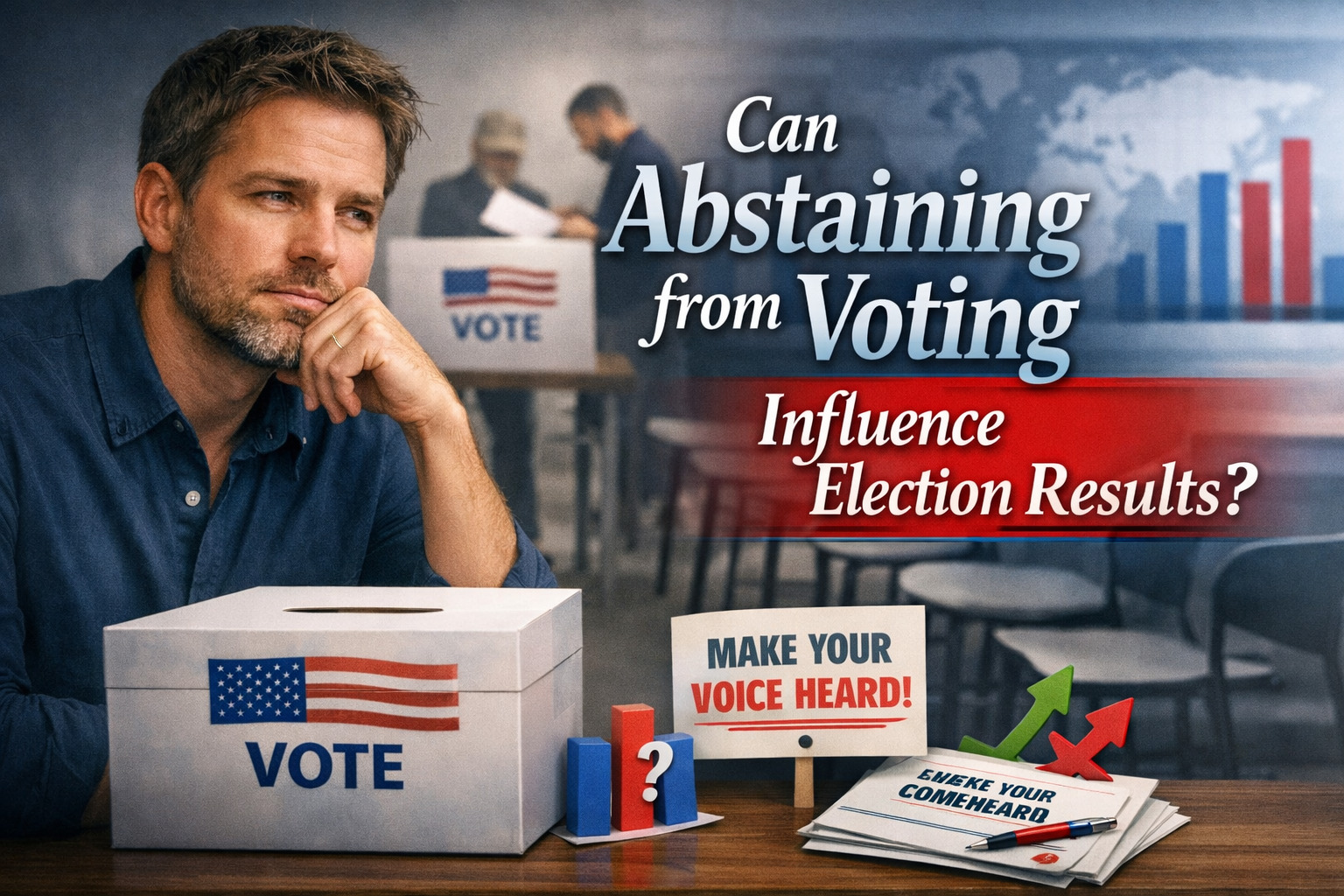
Abstaining from voting can have a significant influence on election outcomes, even though those who abstain do not directly choose a candidate. When many eligible citizens decide not to participate, the number of active voters decreases and can change the overall dynamics of an election. Understanding the political impact of voter abstention helps citizens recognize why participation matters in a democratic process. Every decision not to vote can indirectly affect who receives power and how society is represented.
HOW ABSTAINING FROM VOTING AFFECTS ELECTION RESULTS?
A high level of abstaining voting can influence election results by reducing the number of people involved in choosing leaders. When fewer citizens vote, candidates may be elected with support from only a limited percentage of the total population. This situation can affect the perceived legitimacy and public acceptance of the winning candidate.
Although abstaining does not add votes to any candidate, it changes the overall voter distribution. A group of citizens choosing not to participate may unintentionally allow another group with stronger motivation to have greater influence. Therefore, voter absence can become an important factor in determining election outcomes.
THE CONNECTION BETWEEN VOTER TURNOUT AND DEMOCRATIC REPRESENTATION
Voter turnout plays an important role in measuring public involvement in elections. Higher turnout usually means that election results represent a wider range of opinions and interests within society. When participation is low, some communities or groups may have less influence on government decisions.
A strong democratic process depends on active participation from citizens. Elections are designed to provide equal opportunities for people to express their preferences. When many eligible voters remain inactive, the balance of representation may become weaker.
WHY PEOPLE CHOOSE TO ABSTAIN FROM VOTING?
There are many reasons why people decide not to vote. Some citizens feel disappointed with political candidates, while others believe that their vote will not create meaningful change. Lack of political information, limited trust in institutions, and personal difficulties can also contribute to voter abstention.
Understanding these reasons is important because reducing abstention requires addressing the concerns behind it. Providing better civic education, improving transparency, and increasing access to reliable information can encourage more people to participate. A more informed society is more likely to engage in elections.
THE POLITICAL IMPACT OF YOUNG VOTER ABSTENTION
Young citizens often represent a large and influential voting group. When many young people choose not to participate, important issues related to education, employment, technology, and future development may receive less attention. The absence of young voices can affect the priorities considered by elected leaders.
Encouraging youth participation is essential for creating balanced election outcomes. Young voters who understand their role in democracy can help bring new perspectives and ideas into political discussions. Active youth involvement strengthens the overall quality of elections.
HOW CITIZENS CAN REDUCE THE EFFECT OF ABSTENTION?
Citizens can reduce the negative effects of voter abstention by becoming more informed and engaged before elections. Learning about candidates, understanding policies, and checking reliable sources of information can make voting decisions easier. Knowledge helps people feel more confident about participating.
Communities, schools, and organizations can also encourage greater voter turnout through civic education programs and public discussions. When citizens understand the importance of their participation, they are more likely to use their voting rights. Increased participation creates more representative election results.
CONCLUSION
Abstaining from voting can influence election results by reducing voter participation and affecting the level of public representation. While not voting does not directly support any candidate, widespread abstention can change the balance of electoral influence. Understanding the political impact of voter absence encourages citizens to make thoughtful decisions about participation. A strong democratic process depends on informed citizens who actively use their voices to shape the future.
Tentang Penulis
Gusti Ayu Tita P
Penulis — Universitas STEKOM
Penulis aktif yang berfokus pada isu-isu akademik, teknologi pendidikan, dan pengembangan sumber daya manusia di lingkungan kampus.