
Can You Build a Successful Career Without a College Degree
Gusti Ayu Tita P
26 Februari 2026
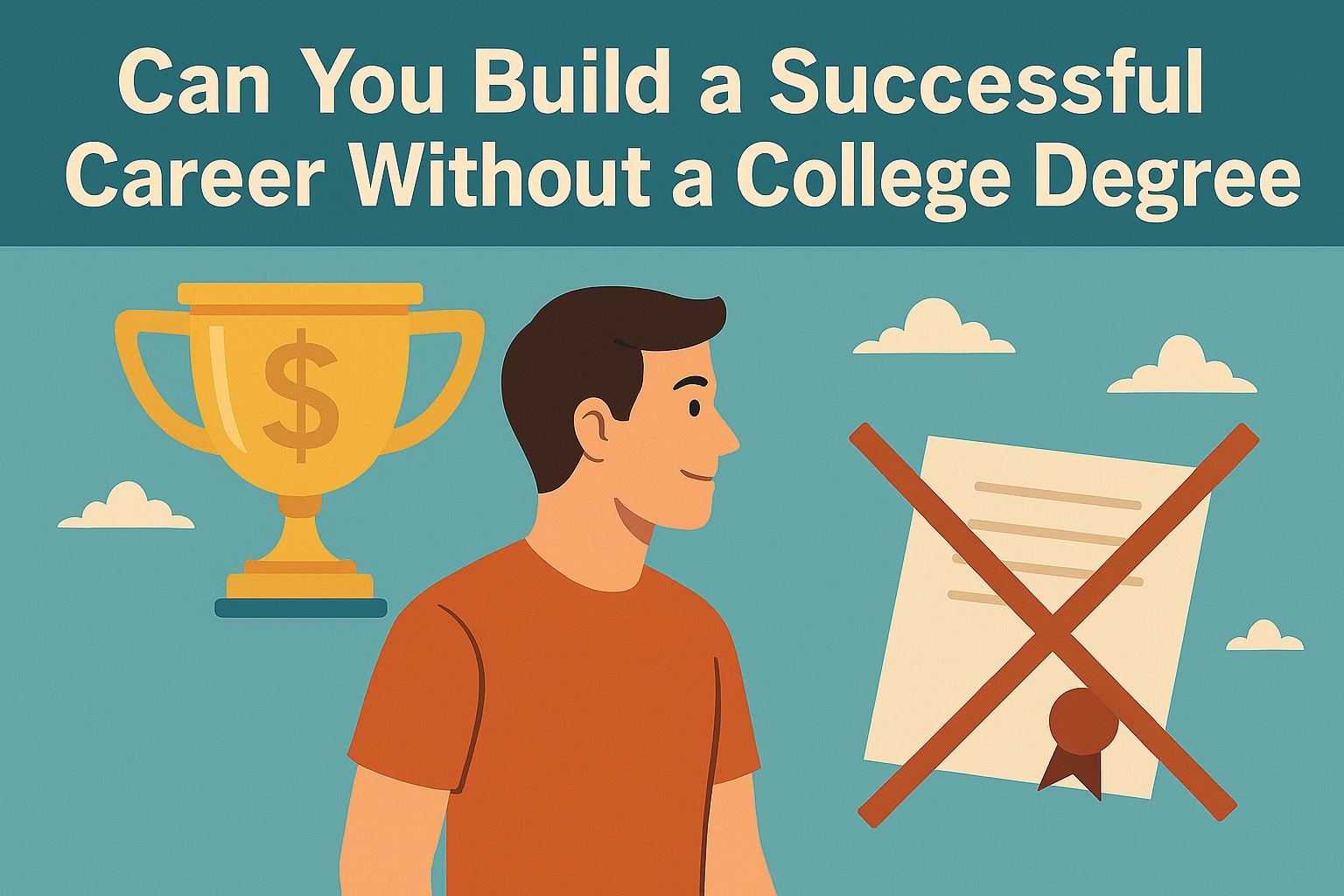
For generations, a college degree has been viewed as the primary gateway to professional success. Parents encourage it, schools prepare students for it, and employers often require it. However, as industries evolve and new career paths emerge, many people are asking: can you build a successful career without a college degree?
With the rise of digital platforms, entrepreneurship, and skills-based hiring, traditional education is no longer the only route to achievement. This article explores whether long-term career success is possible without a formal college diploma.
THE SHIFT TOWARD SKILLS-BASED EMPLOYMENT
The modern job market increasingly values what candidates can do rather than where they studied. In sectors such as technology, creative media, digital marketing, and e-commerce, employers often prioritize technical expertise, portfolios, and proven results.
Coding bootcamps, online certifications, and vocational training programs allow individuals to develop job-ready skills in a shorter time frame. Many companies now conduct practical assessments during recruitment to evaluate real competencies.
This shift demonstrates that performance and adaptability are becoming central to hiring decisions.
INDUSTRIES WHERE A DEGREE REMAINS ESSENTIAL
While opportunities without a college degree are expanding, certain professions still require formal education. Careers in medicine, law, engineering, and education typically demand accredited degrees and professional licenses.
In these fields, higher education ensures standardized knowledge, ethical training, and technical competence. For individuals pursuing such regulated careers, a college degree is not optional but mandatory.
Therefore, the importance of a degree often depends on the chosen career path.
ENTREPRENEURSHIP AND ALTERNATIVE PATHWAYS
Entrepreneurship has opened new possibilities for those without traditional academic backgrounds. Many business owners, freelancers, and digital creators have built successful careers by identifying market needs and delivering innovative solutions.
In these cases, creativity, resilience, networking, and strategic thinking are often more influential than formal credentials. The digital economy allows individuals to monetize skills directly through online platforms, reducing barriers to entry.
However, successful entrepreneurs frequently invest in continuous learning, whether through mentorship, short courses, or self-study.
THE ROLE OF SOFT SKILLS AND CONTINUOUS LEARNING
Regardless of educational background, soft skills remain critical for long-term success. Communication, teamwork, leadership, and problem-solving abilities significantly impact professional growth.
Continuous learning is equally important. Technology and market demands change rapidly, requiring professionals to upgrade their expertise regularly. Those who remain adaptable and proactive often outperform individuals who rely solely on formal qualifications.
In many cases, success results from a combination of skill mastery, experience, and persistence.
CONCLUSION
So, can you build a successful career without a college degree? The answer is yes—but it depends on the industry, personal dedication, and commitment to ongoing development.
A college degree still offers structured learning and access to certain professions. However, in many modern industries, practical skills, real-world experience, and adaptability play an equally powerful role.
Ultimately, career success is shaped not only by formal education, but by the willingness to learn, evolve, and create value in a changing world.
Tentang Penulis
Gusti Ayu Tita P
Penulis — Universitas STEKOM
Penulis aktif yang berfokus pada isu-isu akademik, teknologi pendidikan, dan pengembangan sumber daya manusia di lingkungan kampus.



