
Career Strategies For Success In Public Policy And Political Systems
Gusti Ayu Tita P
16 Oktober 2026
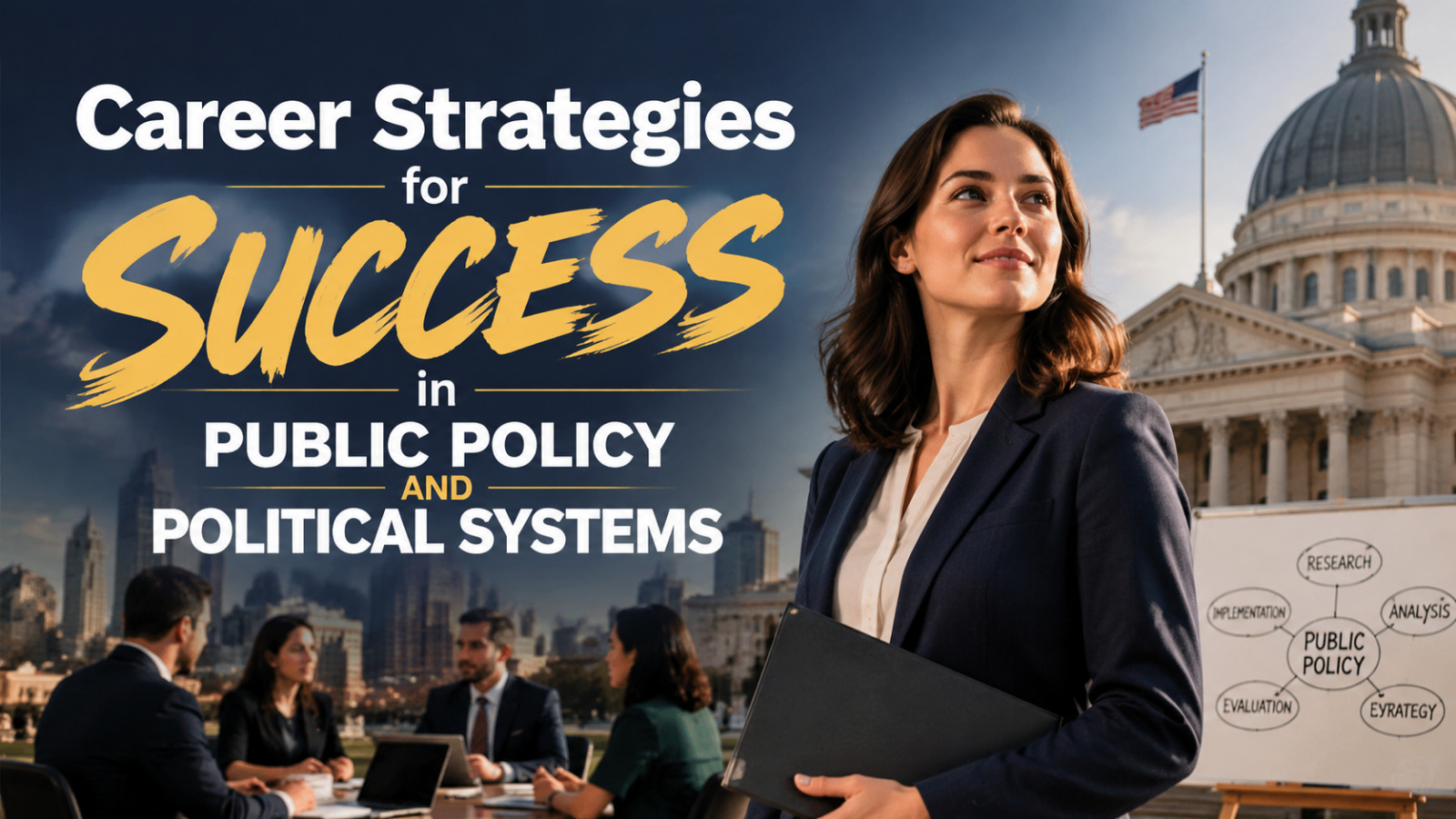
Public Policy and Political Systems offer rewarding career opportunities for individuals who want to create positive changes in society. Professionals in these fields help develop policies, analyze political issues, and improve government performance. Building a successful career requires more than academic knowledge because employers also value communication, leadership, and analytical skills. Understanding how political institutions work can help professionals make informed decisions and contribute to effective governance. This article explains practical strategies that can help anyone achieve long-term success in this dynamic field.
UNDERSTANDING THE IMPORTANCE OF PUBLIC POLICY AND POLITICAL SYSTEMS
A career in Public Policy and Political Systems is meaningful because it focuses on solving public challenges and improving the quality of life for citizens. Professionals often work with governments, research institutions, international organizations, and nonprofit agencies. They analyze problems, recommend solutions, and evaluate the impact of policies. A strong understanding of political structures allows individuals to support democratic values and responsible governance. This knowledge creates opportunities to influence decisions that affect communities and nations.
Learning about Government Policy also helps professionals understand how laws, regulations, and public programs are created. They can identify the relationship between political institutions and economic or social development. Continuous learning keeps professionals updated with changing political environments and public expectations. Understanding different political systems also improves critical thinking and decision-making abilities. These qualities are highly valued in both public and private sectors.
DEVELOPING ESSENTIAL PROFESSIONAL SKILLS
Success in this field depends on building a combination of technical knowledge and professional skills. Strong communication skills help professionals explain complex policy issues to different audiences. Analytical thinking allows them to evaluate data and identify effective policy solutions. Leadership skills are equally important because many positions require managing projects and collaborating with multiple stakeholders. Adaptability also helps professionals respond to political and social changes.
Another important skill is research capability. Professionals should know how to collect reliable information, interpret statistics, and produce evidence-based recommendations. Improving writing skills is also essential because policy reports and official documents must be clear and accurate. Public speaking abilities increase confidence during meetings, presentations, and public discussions. Continuous skill development makes candidates more competitive in today's job market.
BUILDING A STRONG EDUCATIONAL AND PROFESSIONAL FOUNDATION
A solid educational background provides the knowledge needed to understand political theories, governance, economics, and law. Degrees related to Political Science, Public Administration, or Public Policy prepare students for various career opportunities. However, education should not stop after graduation. Participating in workshops, online courses, and professional certifications helps individuals remain competitive.
Practical experience is equally valuable. Internships, volunteer activities, and research projects provide real-world exposure to government operations and policy implementation. Networking with professors, mentors, and experienced professionals can open new career opportunities. Joining professional organizations also helps individuals stay informed about industry trends. Combining education with practical experience creates a strong foundation for career growth.
EXPANDING PROFESSIONAL NETWORKS AND CAREER OPPORTUNITIES
Professional networking is one of the most effective ways to build a successful career. Establishing relationships with policymakers, researchers, government officials, and industry experts can provide valuable guidance and career opportunities. Attending conferences, seminars, and public policy forums allows professionals to exchange ideas and learn from experienced leaders. Networking also increases visibility within the professional community.
Maintaining an active professional profile on career platforms helps individuals showcase their achievements and expertise. Building meaningful relationships requires consistency, professionalism, and mutual respect. Networking is not only about finding jobs but also about sharing knowledge and creating future collaborations. A strong professional network often leads to mentorship opportunities and career advancement.
STAYING UPDATED WITH POLITICAL AND POLICY DEVELOPMENTS
The world of Political Systems changes continuously because of elections, policy reforms, technological innovation, and global events. Professionals should regularly follow government announcements, academic publications, and reputable news sources. Staying informed helps them understand emerging challenges and develop relevant policy recommendations. It also improves strategic thinking and professional credibility.
Developing a habit of reading policy reports and participating in public discussions strengthens analytical abilities. Understanding international political trends can provide broader perspectives when addressing domestic issues. Professionals who remain informed are better prepared to respond to changing environments. Continuous learning demonstrates commitment to excellence and long-term professional development.
CREATING A LONG TERM CAREER PLAN
A successful career requires clear goals and consistent planning. Professionals should identify their preferred specialization, whether it involves Policy Analysis, public administration, legislative affairs, or international relations. Setting short-term and long-term objectives helps individuals measure progress and maintain motivation. Regular self-evaluation allows professionals to identify strengths and areas that require improvement.
Career planning should also include continuous learning, skill development, and expanding professional networks. Flexibility is important because career paths may change as new opportunities emerge. Building a strong reputation through ethical behavior and quality work increases long-term success. A well-planned career strategy allows professionals to adapt while maintaining their professional goals.
CONCLUSION
Building a successful career in Public Policy and Political Systems requires continuous learning, professional skills, practical experience, and strong networking. Individuals who understand political processes and remain committed to ethical leadership can contribute significantly to society while achieving their personal career goals. By developing analytical abilities, improving communication skills, staying informed about political developments, and creating a clear career plan, professionals can thrive in this competitive and impactful field. Consistent effort and lifelong learning remain the keys to sustainable career success.
Tentang Penulis
Gusti Ayu Tita P
Penulis — Universitas STEKOM
Penulis aktif yang berfokus pada isu-isu akademik, teknologi pendidikan, dan pengembangan sumber daya manusia di lingkungan kampus.



