
How Does Employee Insurance Work In A Company?
Gusti Ayu Tita P
16 Oktober 2026
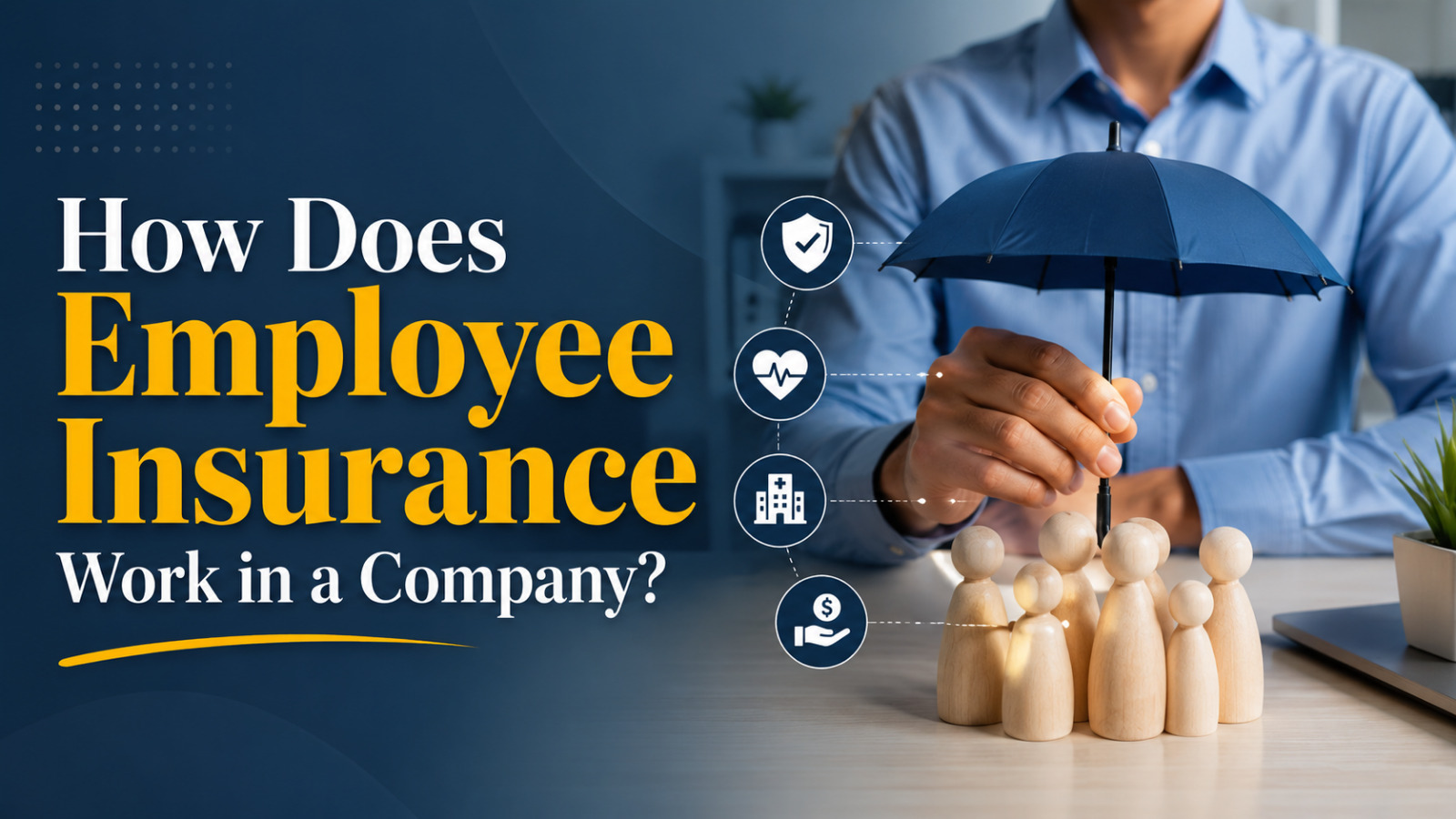
Employee insurance is one of the most valuable benefits a company can provide to its workforce. It is designed to protect employees from financial risks caused by illness, accidents, disability, or even death. By offering a comprehensive Employee Insurance program, employers demonstrate their commitment to employee well-being while creating a more productive and loyal workforce.
For employees, understanding how Company Insurance works is important because it helps them maximize the benefits available through their employer. Knowing the types of coverage, eligibility requirements, and claim procedures allows employees to make better financial and healthcare decisions. As businesses continue to prioritize employee welfare, workplace insurance has become an essential component of modern compensation packages.
WHAT IS EMPLOYEE INSURANCE?
Employee Insurance is a benefit provided by employers to help protect employees from various financial and medical risks. Depending on the company and local regulations, the insurance may cover healthcare expenses, workplace injuries, life protection, disability benefits, and additional wellness programs. Many organizations either fully fund the insurance or share the premium costs with employees.
A well-designed Workplace Benefits program improves employee satisfaction and enhances the company's reputation. Employees who have reliable insurance coverage often experience greater peace of mind because they know they are financially protected during unexpected situations. This security allows them to focus more effectively on their work and personal development.
HOW DOES EMPLOYEE INSURANCE WORK?
The process begins when a company enrolls eligible employees into an insurance plan offered by an insurance provider. The employer typically negotiates the policy, selects the coverage options, and determines how premiums will be paid. In many companies, employees automatically receive insurance after completing a probation period or meeting employment requirements.
When an employee requires medical treatment or experiences a covered event, they can use the insurance according to the policy terms. Depending on the provider, employees may simply present their insurance card at partnered healthcare facilities or submit reimbursement claims after receiving treatment. Understanding the Insurance Coverage details helps employees avoid unexpected expenses and ensures they receive the maximum available benefits.
TYPES OF EMPLOYEE INSURANCE
Most companies offer several forms of Employee Insurance to provide comprehensive protection. The most common type is Health Insurance, which covers doctor consultations, hospitalization, surgery, medication, and preventive healthcare services. Some plans also include dental care, vision care, maternity services, and mental health support.
Other common insurance benefits include Life Insurance, Disability Insurance, Accident Insurance, and workers' compensation coverage. These policies provide financial assistance to employees or their families if unexpected events occur. Offering multiple types of protection creates stronger Employee Benefits that support both financial security and long-term well-being.
WHO PAYS FOR EMPLOYEE INSURANCE?
The cost of Company Insurance depends on the employer's benefit policy. Some companies pay the entire insurance premium as part of their employee welfare program. This approach provides excellent financial support and makes the benefit highly attractive to job seekers.
In other organizations, employers and employees share the premium costs. Even with shared contributions, employees usually receive better insurance rates than purchasing individual policies because companies negotiate group insurance plans. This arrangement allows employees to access quality protection at a lower overall cost.
HOW TO MAKE AN INSURANCE CLAIM?
Employees should first understand their insurance policy and confirm that their medical treatment or incident is covered. Many insurance providers offer cashless services through partner hospitals, making the process simple and convenient. If reimbursement is required, employees generally need to submit medical receipts, claim forms, and supporting documents within the specified deadline.
Following the correct claim procedures helps ensure faster approval. Employees should also keep copies of important documents and contact the company's HR department whenever they have questions regarding Insurance Coverage or claim requirements. Good communication between employees, employers, and insurance providers contributes to a smoother claims process.
BENEFITS OF EMPLOYEE INSURANCE
A strong Employee Insurance program benefits both employees and employers. Employees receive financial protection, easier access to healthcare, and greater confidence in managing unexpected medical situations. These advantages reduce financial stress and encourage healthier lifestyles.
For employers, comprehensive Workplace Benefits improve employee retention, increase productivity, and strengthen company culture. Businesses that invest in employee welfare often attract highly qualified professionals and maintain a more engaged workforce. As a result, employee insurance becomes both a valuable benefit and a strategic business investment.
TIPS FOR CHOOSING THE RIGHT EMPLOYEE INSURANCE
Employees should carefully review the scope of coverage before relying on any insurance plan. It is important to understand benefit limits, exclusions, waiting periods, network hospitals, and claim procedures. Comparing these factors helps employees make informed healthcare decisions.
Employers should also regularly evaluate their insurance plans to ensure they meet the changing needs of their workforce. Expanding coverage, improving accessibility, and providing clear information about available benefits can significantly increase employee satisfaction. An effective Company Insurance program supports both business growth and employee well-being.
CONCLUSION
Employee Insurance plays a vital role in protecting employees from financial and medical risks while supporting a healthier and more productive workplace. By understanding how Company Insurance, Insurance Coverage, Employee Benefits, Health Insurance, and Workplace Benefits work together, employees can fully utilize the protection available to them. Companies that invest in comprehensive insurance programs not only improve employee welfare but also build stronger, more successful organizations for the future.
Tentang Penulis
Gusti Ayu Tita P
Penulis — Universitas STEKOM
Penulis aktif yang berfokus pada isu-isu akademik, teknologi pendidikan, dan pengembangan sumber daya manusia di lingkungan kampus.



