Challenges Every Lecturer Faces in Modern Higher Education
Gusti Ayu Tita P
1 Agustus 2026
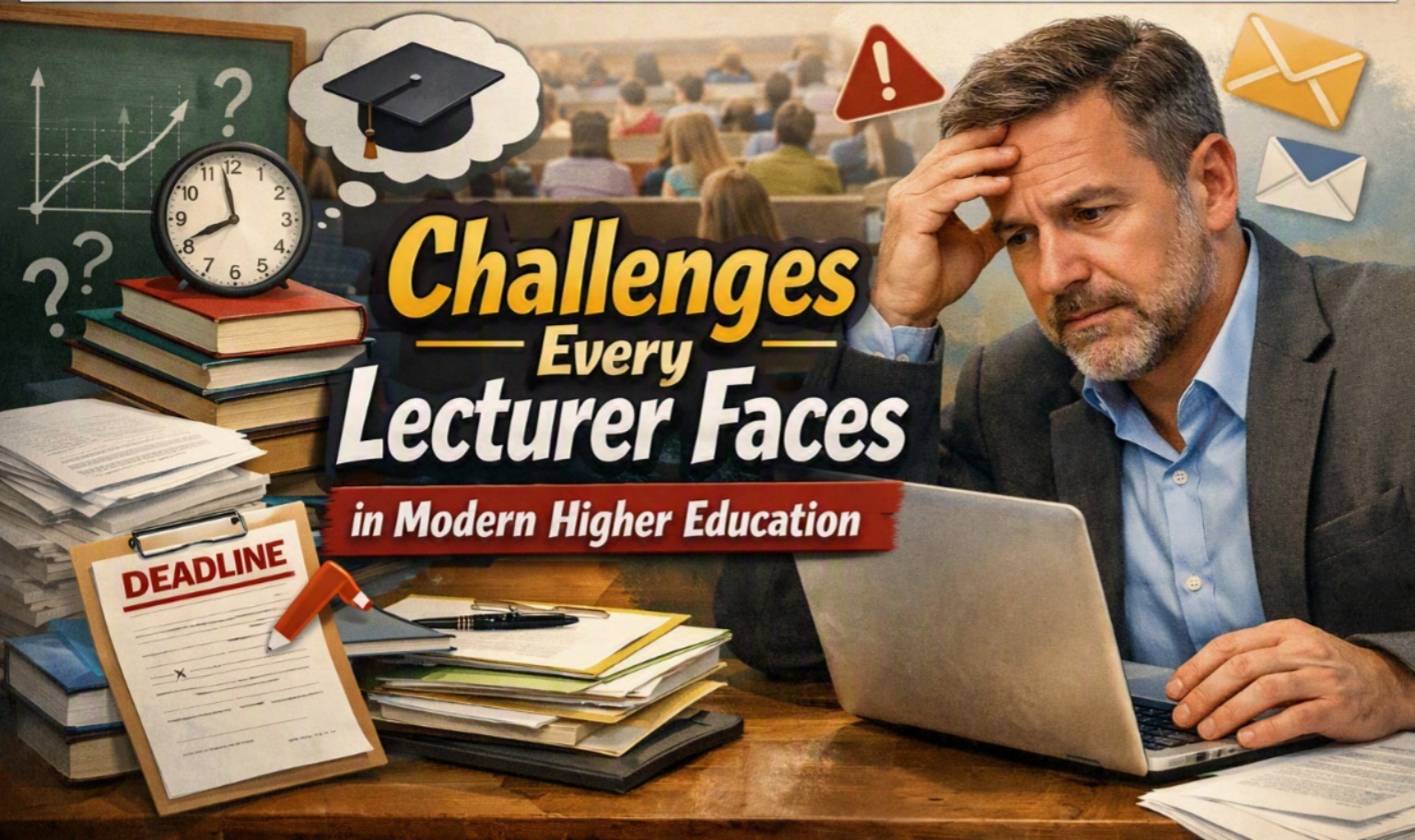
Lecturers play a vital role in shaping the future of students and society. They do much more than deliver lectures because they also guide research, develop critical thinking, and prepare students for professional careers. However, the world of higher education has changed rapidly due to technology, globalization, and evolving student expectations. These changes have created new opportunities, but they have also introduced many complex challenges for educators. Understanding these challenges helps institutions, students, and policymakers create a stronger and more supportive academic environment.
ADAPTING TO RAPID TECHNOLOGICAL CHANGES
One of the biggest challenges every lecturer faces today is keeping up with rapidly changing technology. Modern classrooms now rely on digital learning, online platforms, virtual classrooms, and artificial intelligence tools. Lecturers must continuously learn how to use these technologies effectively while maintaining high teaching quality. This ongoing learning process requires both time and dedication.
Technology also changes how students access information. Many students expect interactive presentations, multimedia content, and flexible online learning experiences. As a result, lecturers need to redesign teaching materials and adopt innovative teaching methods. Successfully integrating technology into education improves student engagement while preparing learners for the digital workplace.
MEETING DIVERSE STUDENT NEEDS
Today's classrooms are more diverse than ever before. Students come from different cultural, economic, educational, and personal backgrounds. Every student has unique learning styles, strengths, and challenges that require different teaching approaches. Lecturers must balance these differences while ensuring equal learning opportunities for everyone.
In addition, many students experience academic pressure, financial concerns, or mental health challenges that affect their performance. Lecturers are often expected to provide guidance beyond academics while maintaining professional boundaries. Creating an inclusive, supportive, and respectful classroom environment helps students succeed both academically and personally.
BALANCING TEACHING RESEARCH AND ADMINISTRATIVE RESPONSIBILITIES
Modern lecturers rarely focus only on teaching. Besides preparing classes and evaluating student work, they are expected to conduct research, publish scientific papers, supervise student projects, and participate in academic conferences. These responsibilities demand excellent time management and careful planning.
Administrative duties also continue to increase. Preparing reports, attending meetings, updating academic records, and participating in accreditation activities consume valuable working hours. Managing all these responsibilities without compromising teaching quality can become one of the most demanding aspects of a lecturer's career.
MAINTAINING STUDENT ENGAGEMENT
Keeping students actively engaged has become increasingly difficult in today's digital world. Smartphones, social media, and unlimited online content can easily distract learners during lectures. Lecturers need creative teaching methods that encourage participation, discussion, and collaboration instead of passive learning.
Interactive activities such as case studies, group discussions, project-based learning, and real-world examples help maintain student interest. Encouraging students to ask questions and express opinions also builds confidence and critical thinking skills. A dynamic classroom environment benefits both lecturers and students throughout the learning process.
ENSURING ACADEMIC INTEGRITY
Academic integrity remains a significant concern in modern higher education. Easy access to online information and AI-powered writing tools has increased the risk of plagiarism, cheating, and unethical academic behavior. Lecturers must develop fair assessment methods while educating students about the importance of honesty and original work.
Clear academic policies, proper citation practices, and regular discussions about ethics help build a culture of integrity. Lecturers should also use assessment strategies that emphasize analysis, creativity, and problem-solving instead of simple memorization. This approach encourages genuine learning and reduces opportunities for academic misconduct.
CONTINUOUS PROFESSIONAL DEVELOPMENT
The role of a lecturer requires continuous improvement throughout an academic career. New teaching strategies, research methods, educational technologies, and industry developments constantly emerge. Lecturers who actively pursue professional development remain more effective in delivering relevant and engaging education.
Participating in workshops, training programs, research collaborations, and academic networking helps lecturers expand their expertise. Lifelong learning also enables educators to adapt to changing educational standards and workforce demands. Continuous development ultimately benefits both lecturers and their students.
CONCLUSION
The challenges every lecturer faces in modern higher education continue to evolve as education becomes increasingly digital, global, and student-centered. From adapting to technology and supporting diverse learners to balancing research, administration, and teaching responsibilities, lecturers must demonstrate flexibility, resilience, and lifelong learning. Higher education institutions should provide adequate support, training, and resources to help lecturers succeed in these demanding roles. By overcoming these challenges, lecturers can continue delivering high-quality education that prepares students for future success in an ever-changing world.
Tentang Penulis
Gusti Ayu Tita P
Penulis — Universitas STEKOM
Penulis aktif yang berfokus pada isu-isu akademik, teknologi pendidikan, dan pengembangan sumber daya manusia di lingkungan kampus.