Challenges Faced By Youngest Children And How To Overcome Them?
Gusti Ayu Tita P
7 September 2026
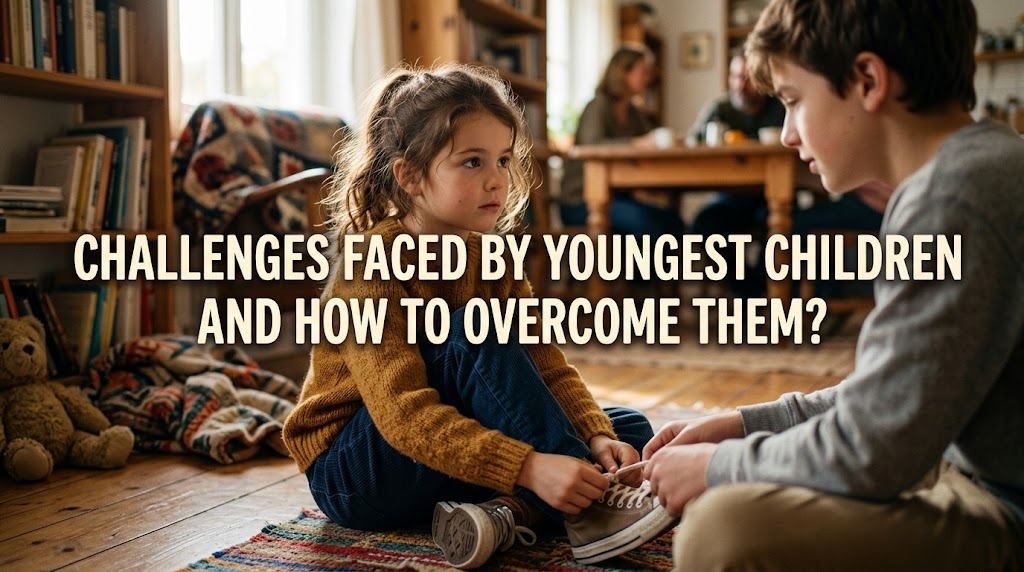
Being the youngest child in a family can provide many enjoyable experiences, but it can also create certain challenges. Youngest children may receive considerable attention from parents and older siblings, which can sometimes make them feel overly protected. They may also face expectations or comparisons with their older siblings.
However, these challenges do not mean that youngest children cannot become independent and confident individuals. With proper guidance and personal effort, they can learn to manage difficulties and develop valuable life skills. Understanding these challenges is an important step toward building independence, confidence, and responsibility.
DEVELOPING PERSONAL INDEPENDENCE
One common challenge for youngest children is becoming accustomed to receiving help from family members. Parents or older siblings may sometimes complete tasks for them because they want to make things easier. While support can be helpful, too much assistance may reduce opportunities to practice independence.
Youngest children can overcome this challenge by gradually taking responsibility for their own tasks. They can begin with simple activities such as organizing personal belongings, managing schedules, or completing assignments independently. These small habits can strengthen personal independence and prepare them to handle greater responsibilities.
AVOIDING COMPARISONS WITH OLDER SIBLINGS
Youngest children may sometimes compare themselves with older siblings. Older siblings may already have achievements, careers, or experiences that make the youngest child feel pressured to reach similar standards. Constant comparison can affect confidence and make personal progress feel less meaningful.
Instead of focusing on comparison, youngest children should identify their own strengths and interests. Every person develops at a different pace and follows a different path. Focusing on personal growth can help youngest children build confidence without feeling that they must compete with their siblings.
HANDLING OVERPROTECTIVE FAMILY SUPPORT
Family support can provide security and encouragement, but excessive protection can sometimes make it difficult for children to face challenges independently. Youngest children may become accustomed to having family members solve problems for them. As a result, they may hesitate when they need to make decisions on their own.
A healthier approach is to allow youngest children to experience appropriate challenges while still providing guidance when necessary. Family members can offer advice without taking complete control of the situation. This balance can help children develop confidence and decision-making skills.
BUILDING SELF CONFIDENCE
Some youngest children may doubt their abilities because they frequently depend on older family members. They may feel that their siblings are more experienced or capable. This perception can become an obstacle if it prevents them from trying new activities.
Building self-confidence requires regular opportunities to succeed and learn from mistakes. Youngest children can set small goals, develop their skills, and recognize their progress. Over time, these experiences can create stronger self-belief and motivation.
LEARNING TO ACCEPT RESPONSIBILITY
Responsibility is an important skill that every child needs to develop. Youngest children may sometimes receive fewer responsibilities because family members consider them the youngest. Although this can be comfortable, it may limit their opportunities to practice accountability.
Parents can encourage responsibility by giving children suitable tasks at home and school. Youngest children should also learn to accept the results of their decisions instead of immediately expecting others to solve problems. Developing personal responsibility can prepare them for academic, social, and professional environments.
MANAGING EXPECTATIONS FROM OTHERS
Youngest children may sometimes receive expectations from family members based on their position in the family. Some families may expect the youngest child to remain cheerful, dependent, or close to home. These expectations can become challenging if they do not match the child's personal goals.
Youngest children should learn to communicate their needs and ambitions respectfully. They can listen to family advice while still making decisions that reflect their interests and abilities. Healthy communication can help create mutual understanding between youngest children and their families.
TURNING CHALLENGES INTO PERSONAL GROWTH
Every challenge can become an opportunity to develop new abilities. Youngest children can use difficult experiences to learn about independence, responsibility, communication, and decision making. Instead of seeing challenges as limitations, they can view them as opportunities for improvement.
Personal growth happens gradually through consistent effort and experience. Youngest children do not need to change their personality simply because they are the youngest in the family. By recognizing their strengths and working on their weaknesses, they can develop into confident, adaptable, and responsible individuals.
CONCLUSION
Youngest children may face challenges related to independence, family expectations, comparisons, and excessive support. These challenges can be managed by developing personal responsibility, confidence, communication skills, and decision-making abilities.
Being the youngest child does not determine a person's future personality or success. With a supportive environment and opportunities to grow independently, youngest children can turn family experiences into valuable life lessons. The ability to learn from challenges can help them become stronger and more prepared for the future.
Tentang Penulis
Gusti Ayu Tita P
Penulis — Universitas STEKOM
Penulis aktif yang berfokus pada isu-isu akademik, teknologi pendidikan, dan pengembangan sumber daya manusia di lingkungan kampus.