Challenges of Becoming a Student Council Member and Ways to Overcome Them
Gusti Ayu Tita P
13 Oktober 2026
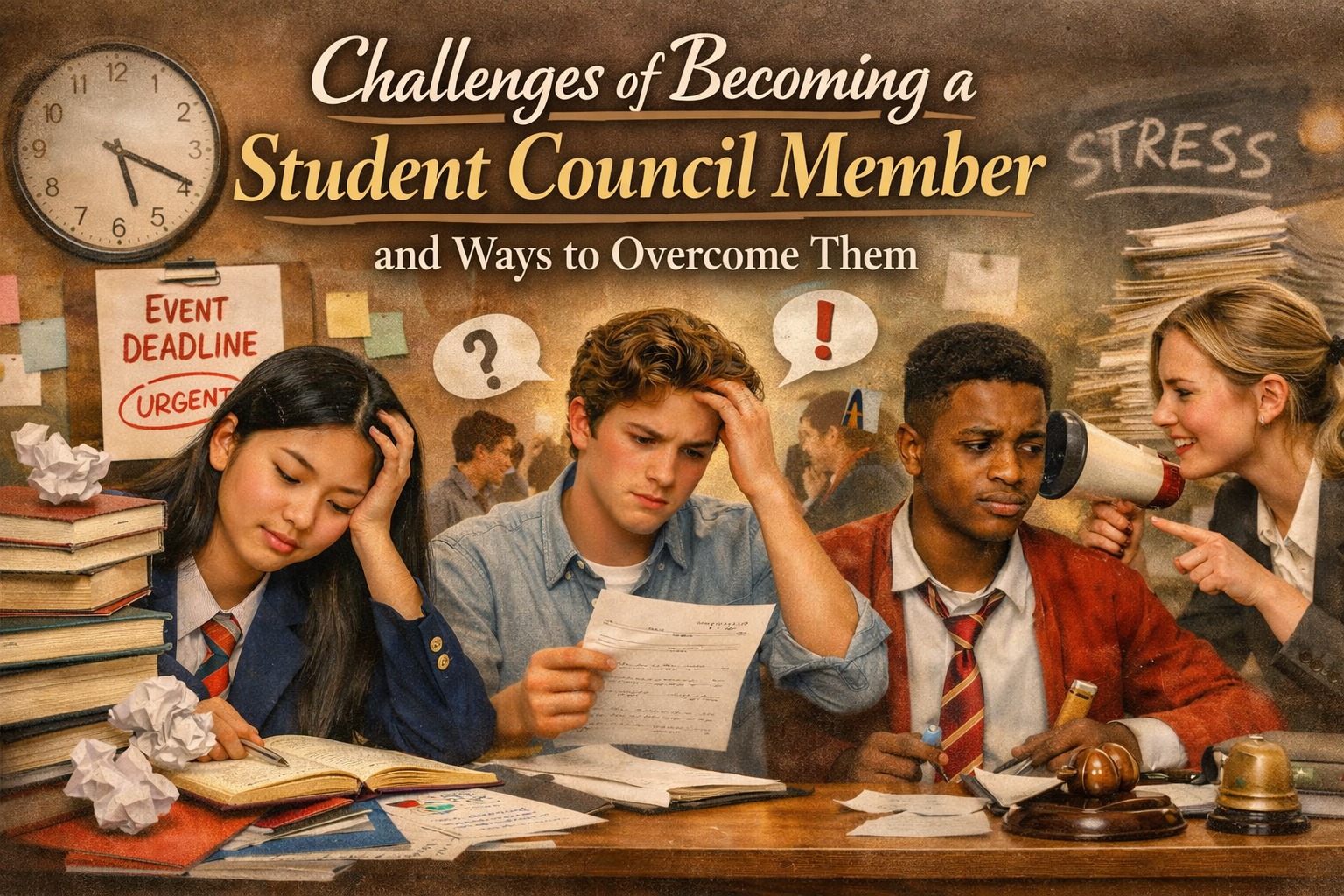
Joining the student council is an excellent opportunity for students to build leadership, teamwork, and communication skills while contributing to the school community. However, becoming an active student council member also comes with various challenges that require responsibility, dedication, and perseverance. Members must balance academic responsibilities with organizational duties, collaborate with different personalities, and make decisions that benefit the entire school. These experiences can be demanding, but they also provide valuable lessons that shape personal growth and leadership character. By understanding these challenges and learning effective ways to overcome them, students can become more confident and successful leaders.
UNDERSTANDING THE RESPONSIBILITIES OF A STUDENT COUNCIL MEMBER
A student council member is responsible for representing students, organizing school activities, and supporting educational programs that improve the school environment. Members work closely with teachers, school administrators, and classmates to ensure that activities are well planned and beneficial for everyone. They are also expected to demonstrate responsibility, integrity, and professionalism in every task they perform. These responsibilities require commitment and consistent effort.
Beyond organizing events, student council members must become role models for other students. They are expected to encourage participation, maintain positive attitudes, and contribute to creating a respectful school culture. Fulfilling these expectations helps members develop leadership qualities while earning the trust of their peers. Every responsibility becomes an opportunity for personal growth.
BALANCING ACADEMIC AND ORGANIZATIONAL RESPONSIBILITIES
One of the biggest challenges faced by student council members is balancing schoolwork with organizational commitments. Meetings, event preparation, and leadership responsibilities often require additional time outside regular classroom activities. Without proper planning, students may experience stress or struggle to complete assignments on schedule. Effective time management is essential to maintain both academic performance and organizational success.
Creating daily schedules and setting priorities can help students manage their responsibilities more efficiently. Breaking large tasks into smaller steps makes workloads easier to handle. Students should also communicate with teachers and fellow members when facing scheduling conflicts. Good planning reduces pressure and improves productivity.
OVERCOMING COMMUNICATION AND TEAMWORK CHALLENGES
Successful student council programs depend on effective communication and strong teamwork. Members often work with classmates who have different personalities, opinions, and working styles. Misunderstandings may occur if communication is unclear or if team members do not listen to one another carefully. Learning to communicate respectfully helps prevent unnecessary conflicts.
Collaboration improves when every member values different perspectives and supports shared goals. Active listening, constructive feedback, and mutual respect create a positive working environment. Students should focus on solving problems rather than blaming others when disagreements arise. Strong teamwork allows the organization to complete projects successfully.
HANDLING PRESSURE AND LEADERSHIP RESPONSIBILITIES
Leadership often brings pressure because student council members are expected to make decisions that benefit the school community. Organizing events, managing committees, and solving unexpected problems require confidence and careful judgment. Some students may initially feel nervous or uncertain about leading others. However, every challenge becomes an opportunity to strengthen leadership skills.
Building confidence requires continuous practice and a willingness to learn from experience. Students should remain calm during difficult situations and seek guidance from teachers or advisors when necessary. Accepting constructive feedback also helps improve decision-making abilities. Over time, these experiences develop stronger and more capable leaders.
DEALING WITH CONFLICTS AND DIFFERENT OPINIONS
Conflicts are natural whenever people work together on important projects. Student council members may have different ideas regarding event planning, budgeting, or organizational priorities. Instead of avoiding disagreements, members should approach them with patience and professionalism. Respectful discussion often leads to better solutions.
Problem-solving becomes more effective when members focus on common goals rather than personal preferences. Open communication encourages understanding and strengthens trust within the organization. Students also learn valuable negotiation and conflict resolution skills through these experiences. These abilities are beneficial in both school and future workplaces.
STRATEGIES FOR BECOMING A SUCCESSFUL STUDENT COUNCIL MEMBER
Students can overcome challenges by developing positive habits and maintaining a strong commitment to their responsibilities. Setting clear goals, managing time effectively, communicating openly, and continuously improving leadership abilities are important strategies for long-term success. Participating actively in meetings and accepting responsibilities also strengthens confidence and experience. Consistency plays a key role in becoming a dependable student leader.
Seeking advice from teachers, advisors, and experienced student council members can provide valuable guidance. Constructive feedback helps students identify strengths while improving weaknesses. Maintaining a positive attitude during challenges encourages continuous personal growth. With determination and dedication, every obstacle becomes an opportunity to become a better leader.
CONCLUSION
Becoming a student council member is both rewarding and challenging. Students face responsibilities such as balancing academics, improving communication, handling leadership pressure, and working with diverse teams. By practicing time management, teamwork, problem-solving, and effective communication, these challenges can be successfully overcome. Every obstacle provides valuable lessons that strengthen leadership character and personal development. Through commitment, perseverance, and continuous learning, student council members become confident leaders who make meaningful contributions to their school and prepare themselves for future success.
Tentang Penulis
Gusti Ayu Tita P
Penulis — Universitas STEKOM
Penulis aktif yang berfokus pada isu-isu akademik, teknologi pendidikan, dan pengembangan sumber daya manusia di lingkungan kampus.