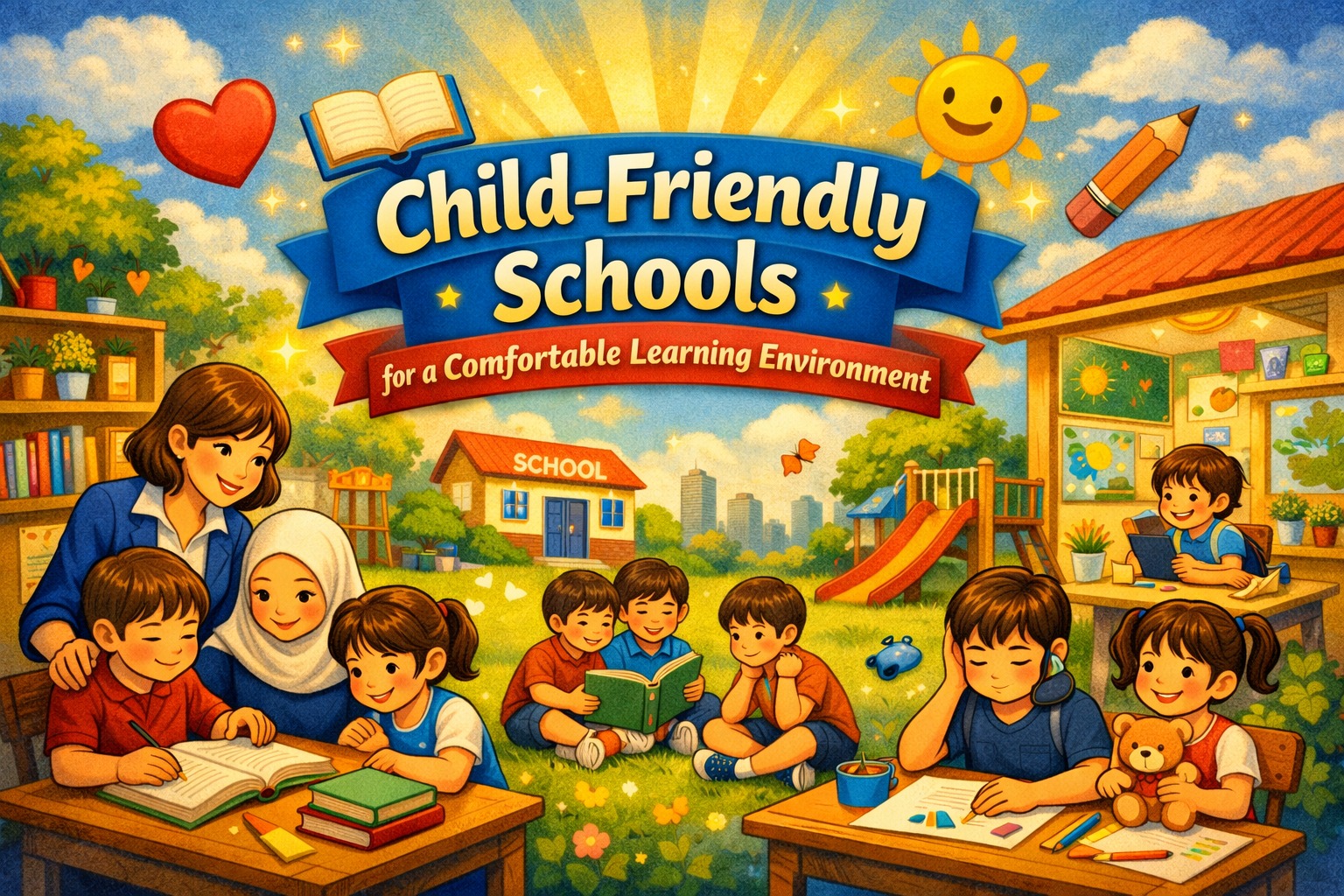
A safe and supportive school environment is essential for helping children grow academically, socially, and emotionally. Today, educators and parents increasingly recognize the importance of creating child-friendly schools that prioritize comfort, safety, and inclusive learning. When students feel valued and secure, they are more motivated to learn, explore, and achieve their full potential.
WHAT IS A CHILD-FRIENDLY SCHOOL?
A child-friendly school is an educational environment designed to meet the physical, emotional, social, and intellectual needs of students. It goes beyond traditional teaching methods by ensuring that children feel safe, respected, and encouraged to express themselves.
These schools emphasize positive relationships, inclusive policies, and engaging learning experiences. The goal is to create a place where every child feels welcome and supported regardless of background or ability.
WHY COMFORTABLE LEARNING ENVIRONMENTS MATTER
A comfortable environment directly affects a child’s ability to focus and participate in class. When students feel anxious or unsafe, their attention shifts away from learning. On the other hand, a warm and welcoming atmosphere improves concentration, creativity, and confidence.
Research consistently shows that students perform better in environments where they feel emotionally secure. Comfortable classrooms also reduce stress and encourage curiosity, helping children become lifelong learners.
KEY CHARACTERISTICS OF CHILD-FRIENDLY SCHOOLS
Creating a child-friendly school involves multiple elements working together. Below are some of the most important characteristics:
1. SAFE AND SUPPORTIVE ATMOSPHERE
Schools must provide physical safety, anti-bullying policies, and emotional support. Teachers play a key role in building trust and fostering positive relationships with students.
2. INCLUSIVE AND EQUITABLE EDUCATION
Every child deserves equal access to quality education. Inclusive schools accommodate different learning styles, abilities, and cultural backgrounds to ensure no student feels left behind.
3. ENGAGING LEARNING METHODS
Interactive teaching methods such as group activities, storytelling, and project-based learning make lessons more enjoyable and effective. Students learn better when they actively participate.
4.STUDENT PARTICIPATION
Child-friendly schools encourage students to share opinions, ask questions, and take part in decision-making. This builds confidence and leadership skills from an early age.
5.HEALTH AND WELL-BEING FOCUS
Healthy meals, clean facilities, and mental health support contribute to students’ overall well-being. When children feel physically and emotionally healthy, learning becomes more effective.
THE ROLE OF TEACHERS AND PARENTS
Teachers and parents are essential partners in building a child-friendly environment. Teachers guide students academically and emotionally, while parents provide support and encouragement at home.
Open communication between schools and families ensures that children receive consistent guidance. When both sides work together, students feel more secure and motivated to succeed.
BENEFITS OF CHILD-FRIENDLY SCHOOLS
Implementing child-friendly practices brings long-term benefits, including:
* Improved academic performance
* Higher student confidence and participation
* Reduced bullying and school-related stress
* Stronger social and emotional skills
* Better preparation for future challenges
These advantages not only help individual students but also strengthen the overall education system.
HOW SCHOOLS CAN START THE TRANSFORMATION
Schools can begin by evaluating their current environment and identifying areas for improvement. Small changes—such as flexible seating, positive discipline, and student feedback systems—can make a big difference.
Training teachers in child-centered teaching methods and promoting collaboration among staff are also important steps. Over time, consistent efforts will create a supportive and inspiring learning atmosphere.
CONCLUSION
Child-friendly schools are more than a trend—they are a necessity for modern education. By prioritizing safety, inclusion, and engagement, schools can create environments where students feel comfortable and motivated to learn. When children thrive in school, they are better prepared to contribute positively to society in the future.
Tentang Penulis
Gusti Ayu Tita P
Penulis — Universitas STEKOM
Penulis aktif yang berfokus pada isu-isu akademik, teknologi pendidikan, dan pengembangan sumber daya manusia di lingkungan kampus.