Common Mistakes When Managing Vehicle Registration
Gusti Ayu Tita P
7 September 2026
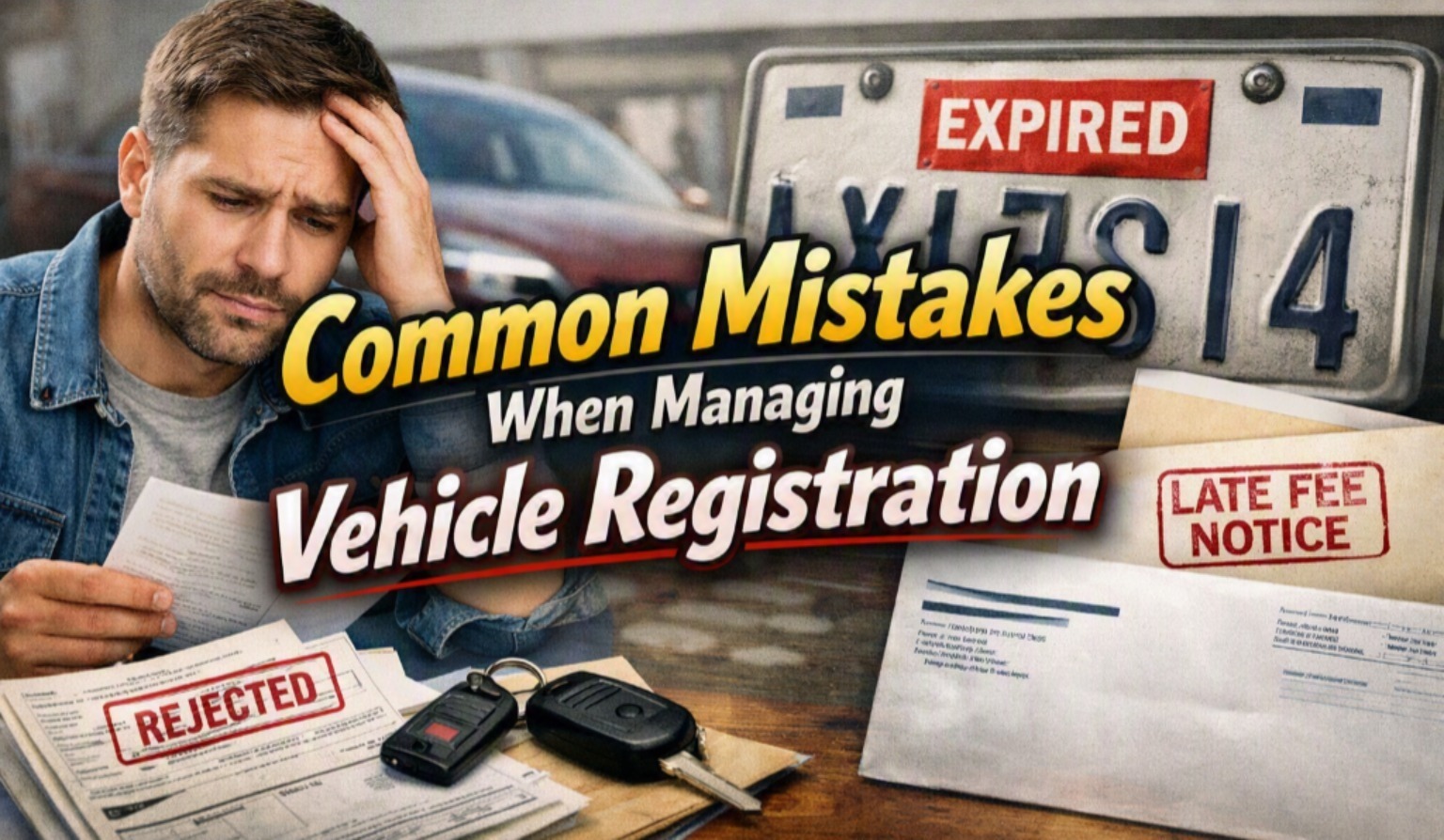
Managing vehicle registration is an important responsibility for every vehicle owner. Registration documents provide official information about a vehicle and may be required when driving legally on public roads. However, many owners make simple mistakes that can lead to late renewals, incorrect records, or unnecessary costs. Understanding these common errors can make the registration process easier and more organized.
The exact requirements for vehicle registration vary by country, state, or local authority, so owners should always check the rules that apply to their location. Keeping registration information accurate and preparing documents early can help prevent avoidable problems. Here are some of the most common mistakes vehicle owners should avoid.
FORGETTING THE REGISTRATION RENEWAL DATE
One of the most common mistakes is forgetting to renew vehicle registration on time. Registration usually has an expiration date, and driving with expired registration may result in penalties or other legal problems depending on local regulations. Some owners only realize that their registration has expired when they are stopped by authorities or need to use the vehicle for an important trip.
A simple solution is to record the renewal date in a calendar, phone reminder, or personal document. Vehicle owners should also check whether their local authority provides renewal notifications. Starting the renewal process before the deadline gives enough time to deal with missing documents, inspections, payments, or other requirements.
PROVIDING INCORRECT VEHICLE INFORMATION
Another mistake is entering or submitting incorrect vehicle information during registration or renewal. Details such as the vehicle identification number, license plate information, owner details, or address may need to match official records. Even a small error can delay an application or create problems when the information is checked.
Before submitting any registration form, owners should check every detail carefully. Comparing the information with the vehicle documents can help identify mistakes before they become a larger issue. If incorrect information has already been submitted, contacting the relevant registration authority is usually the safest way to determine how it can be corrected.
IGNORING REQUIRED DOCUMENTS
Registration procedures often require specific documents, and failing to prepare them can cause unnecessary delays. Depending on the jurisdiction and type of transaction, owners may need documents related to vehicle ownership, identity, insurance, inspection, or previous registration. Requirements can also differ between a new registration, renewal, ownership transfer, and replacement of registration documents.
To avoid this problem, owners should check the official document requirements before starting the process. It is useful to prepare both physical and digital copies when permitted. Checking documents in advance can reduce the risk of having to make multiple visits or resubmit an application.
WAITING UNTIL THE LAST MINUTE
Leaving registration tasks until the deadline is another common mistake. Last-minute processing can become stressful when government offices are busy, online systems experience technical problems, or an important document is missing. In some cases, additional procedures may take longer than expected.
A better approach is to start early, especially for transactions that require inspections or additional verification. Giving yourself extra time also makes it easier to resolve unexpected issues. Early preparation is particularly useful when renewing several vehicles or managing registration after buying or selling a vehicle.
FAILING TO REPORT CHANGES IN OWNERSHIP OR ADDRESS
Vehicle records can become outdated when owners move to a new address or when a vehicle changes ownership. Failing to update these details may mean that official notices or registration documents are sent to the wrong location. Ownership changes can also require specific procedures within a certain period, depending on local regulations.
Vehicle owners should update registration records when important information changes. After purchasing or selling a vehicle, both parties should understand their responsibilities and complete the required ownership procedures. Keeping records current helps ensure that government databases contain accurate information.
NOT KEEPING REGISTRATION RECORDS SAFELY
Some vehicle owners complete the registration process but fail to keep their documents organized. Losing registration papers, receipts, or other important records can make future transactions more difficult. These documents may also be useful when selling a vehicle, replacing paperwork, or proving that a registration-related transaction has been completed.
Owners should keep important registration records in a secure place. Digital copies can provide an additional backup if they are allowed and contain no information that should be shared publicly. However, owners should still follow local rules about which documents must be carried in the vehicle.
ASSUMING THE PROCESS IS THE SAME EVERYWHERE
A common misconception is that vehicle registration works the same way in every location. In reality, registration rules and procedures vary by jurisdiction. Renewal periods, fees, inspections, insurance requirements, taxes, and ownership-transfer procedures can all be different.
For this reason, vehicle owners should rely on official local information rather than assumptions or outdated advice. Information from another country, state, or province may not apply to the owner's situation. Checking the responsible government authority before making a registration decision is one of the best ways to avoid incorrect procedures.
USING UNRELIABLE REGISTRATION SERVICES
The growth of online services has made many administrative tasks more convenient, but it has also created opportunities for misleading or fraudulent websites. Some websites may appear to offer registration services while charging unnecessary fees or collecting personal information. Vehicle owners should be careful when searching for registration assistance online.
Before entering personal or vehicle information, check whether the website belongs to the appropriate government authority or an officially recognized service provider. Look carefully at the website address, payment information, and service details. When in doubt, using the official government channel is generally the safer choice.
HOW TO MANAGE VEHICLE REGISTRATION MORE EFFECTIVELY?
Good registration management starts with organization and early preparation. Keep registration documents, ownership records, insurance information, and relevant receipts together in a secure location. Set reminders for renewal deadlines and check official requirements before submitting an application.
It is also important to review vehicle records regularly and update them when necessary. Avoid relying entirely on memory, especially when managing multiple vehicles or important ownership changes. By following these simple habits, vehicle owners can reduce delays, avoid preventable mistakes, and keep their registration responsibilities under better control.
CONCLUSION
Managing vehicle registration does not have to be complicated when owners understand the basic responsibilities involved. Common problems include forgetting renewal dates, providing incorrect information, missing required documents, delaying important procedures, and failing to update vehicle records. Using unreliable services can also create unnecessary financial and privacy risks.
The best approach is to stay organized, check official requirements, and act before deadlines. Because registration regulations differ by location, vehicle owners should confirm current procedures with the relevant authority. Careful management can make registration easier while helping owners avoid unnecessary penalties, delays, and administrative problems.
Tentang Penulis
Gusti Ayu Tita P
Penulis — Universitas STEKOM
Penulis aktif yang berfokus pada isu-isu akademik, teknologi pendidikan, dan pengembangan sumber daya manusia di lingkungan kampus.