
Common Mistakes When Practicing Yoga That Should Be Avoided
Gusti Ayu Tita P
1 September 2026
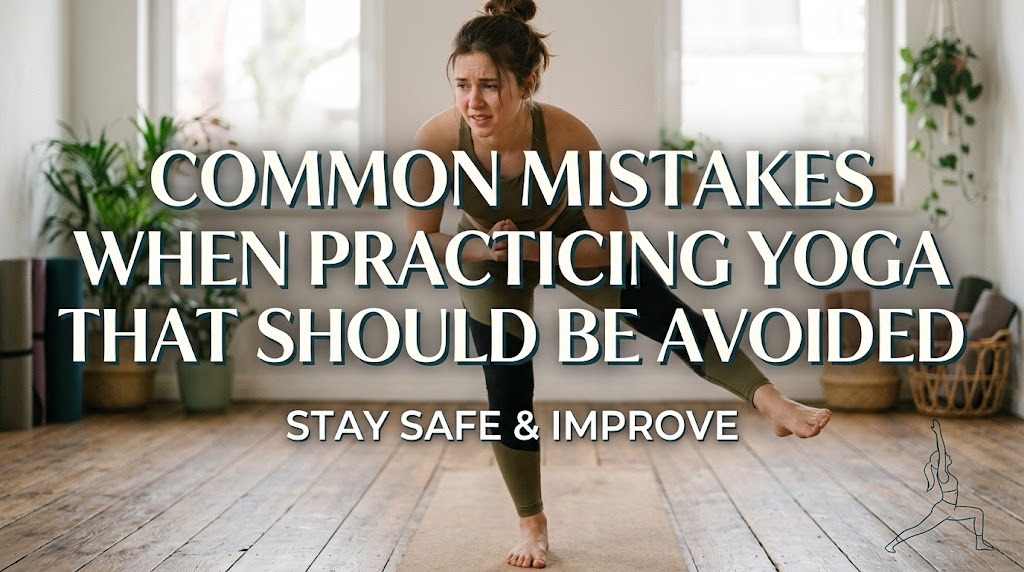
Yoga is a popular physical activity that combines body movement, breathing, balance, and relaxation. When practiced correctly, yoga can support flexibility, strength, body awareness, and mental relaxation. However, beginners may make mistakes because they are still learning proper techniques and body alignment. Some mistakes may reduce the benefits of yoga or increase the risk of discomfort and injury. Therefore, understanding common yoga mistakes is important for anyone who wants to practice safely and consistently.
IGNORING PROPER BODY ALIGNMENT
One of the most common mistakes in yoga is ignoring body alignment during a pose. Beginners may focus on reaching a certain position instead of maintaining a comfortable and stable posture. Incorrect alignment can place unnecessary pressure on the joints, muscles, or spine. Each movement should be performed according to the body's natural range of motion. Using a mirror, instructor, or reliable instructional material can help beginners understand proper positioning.
Good alignment does not mean that every person must look exactly the same in a particular pose. Body structure, flexibility, and physical ability differ from one person to another. The goal is to create a stable and comfortable position rather than forcing the body into a specific shape.
FORCING THE BODY TOO FAR
Another common mistake is pushing the body beyond its current ability. Some people believe that deeper stretches always produce better results, but this is not necessarily true. Stretching should create a manageable sensation rather than sharp pain or significant discomfort. Forcing a movement can strain muscles and other tissues. Beginners should gradually improve their range of motion through regular and controlled practice.
Yoga is a practice that develops over time. Progress should be measured by better control, awareness, and comfort, not simply by how far the body can bend. Listening to the body's signals is an important part of practicing yoga safely.
HOLDING THE BREATH DURING POSES
Breathing is an essential part of yoga, yet beginners sometimes hold their breath while concentrating on a difficult pose. Irregular breathing can make a practice feel more difficult and may reduce relaxation. Slow and controlled breathing can help maintain focus during movement. It can also encourage greater awareness of the body. Practitioners should try to keep their breathing natural and steady unless a specific technique requires a different pattern.
Coordinating movement with breathing can make yoga feel more comfortable and organized. Breathing should support the practice rather than become something that is ignored. If a pose makes it difficult to breathe normally, it may be necessary to reduce the intensity or modify the position.
SKIPPING THE WARM UP
Starting demanding movements without preparation is another mistake that should be avoided. A short warm-up can help the body gradually transition into physical activity. Gentle movements may increase body awareness and prepare the muscles and joints for more demanding poses. Beginners do not need a complicated warm-up routine. Simple movements that match the planned practice can be sufficient.
A proper warm-up can also help practitioners recognize areas that feel stiff or uncomfortable before attempting more challenging positions. Starting gradually is safer than immediately performing advanced poses. The intensity of the session should increase step by step.
COMPARING YOURSELF WITH OTHERS
Yoga can become less enjoyable when practitioners constantly compare their bodies or abilities with other people. Someone who has practiced for years may naturally have greater flexibility or better balance than a beginner. Trying to copy that person's performance can encourage unsafe movements. Yoga is a personal practice, so progress should be based on individual ability and goals.
Social media can also create unrealistic expectations because many images show advanced poses performed by experienced practitioners. Beginners should focus on their own breathing, movement quality, and comfort. Consistency is more valuable than competition when building a long-term yoga habit.
CHOOSING DIFFICULT POSES TOO QUICKLY
Beginners sometimes want to learn advanced poses before developing basic strength, flexibility, and balance. Difficult movements may require considerable body control and proper technique. Attempting them too early can increase the chance of losing balance or experiencing unnecessary strain. It is better to master basic poses before gradually progressing to more challenging variations.
A structured progression allows the body to adapt naturally. Begin with simple movements and increase difficulty gradually as control and confidence improve. Beginners can also use modifications, blocks, straps, or other appropriate yoga equipment when needed.
NEGLECTING REST AND RECOVERY
Doing yoga every day without allowing the body to recover can become counterproductive. The body needs adequate rest, especially after sessions that involve significant muscular effort. Signs such as persistent soreness, unusual fatigue, or reduced performance may indicate that the body needs a break. Rest does not mean losing progress. Instead, recovery is an important part of physical development.
Yoga practice should be balanced with sufficient sleep, hydration, nutrition, and other forms of healthy activity. Gentle sessions can be appropriate on easier days, while more demanding sessions may require additional recovery time. A sustainable routine is better than an excessive routine that is difficult to maintain.
IGNORING PAIN OR UNUSUAL SYMPTOMS
Discomfort and pain should not automatically be treated as signs that a yoga pose is working effectively. Sharp, sudden, or worsening pain is a reason to stop the movement and assess what is happening. Continuing through significant pain can potentially make an existing problem worse. Practitioners should distinguish between a mild stretching sensation and pain that feels abnormal.
People with injuries, medical conditions, pregnancy, or other specific physical concerns may need individualized guidance before practicing certain poses. A qualified health professional or experienced yoga instructor can provide appropriate advice when necessary. Safety should always take priority over completing a particular pose.
PRACTICING WITHOUT CONSISTENCY
Another mistake is practicing intensely once in a while instead of building a manageable routine. Yoga benefits are generally supported by regular and appropriate practice rather than occasional sessions that are excessively difficult. Beginners can start with short sessions and gradually increase the duration. Creating a realistic schedule can make yoga easier to maintain. Even a simple routine can become valuable when practiced consistently.
The most important goal is to create a habit that fits comfortably into daily life. Small and consistent progress can be more sustainable than sudden intense training. With patience, beginners can improve their technique while developing greater confidence and body awareness.
HOW TO PRACTICE YOGA MORE SAFELY
Avoiding common mistakes starts with understanding personal limitations and choosing appropriate exercises. Beginners should learn basic poses, maintain controlled breathing, and avoid forcing movements. A comfortable practice area with enough space can also reduce unnecessary distractions and hazards. Following guidance from a qualified instructor can be useful, especially when learning unfamiliar techniques. Most importantly, practitioners should pay attention to how their bodies respond during and after each session.
Yoga should be approached as a gradual learning process rather than a competition. Proper technique, patience, breathing, recovery, and consistency can help create a safer and more enjoyable practice. By avoiding common mistakes, beginners can focus on the real purpose of yoga: developing better physical awareness, controlled movement, and relaxation.
CONCLUSION
Common mistakes when practicing yoga often come from forcing the body, ignoring alignment, holding the breath, comparing yourself with others, or progressing too quickly. These habits can interfere with comfort, technique, and safety. Beginners should prioritize proper movement and gradual progress instead of trying to achieve difficult poses immediately. Regular practice combined with adequate recovery can provide a more sustainable approach. With patience and body awareness, yoga can become a practical activity that supports both physical and mental well-being.
Tentang Penulis
Gusti Ayu Tita P
Penulis — Universitas STEKOM
Penulis aktif yang berfokus pada isu-isu akademik, teknologi pendidikan, dan pengembangan sumber daya manusia di lingkungan kampus.