Communication Strategies For Mayors To Build Public Trust
Gusti Ayu Tita P
12 Agustus 2026
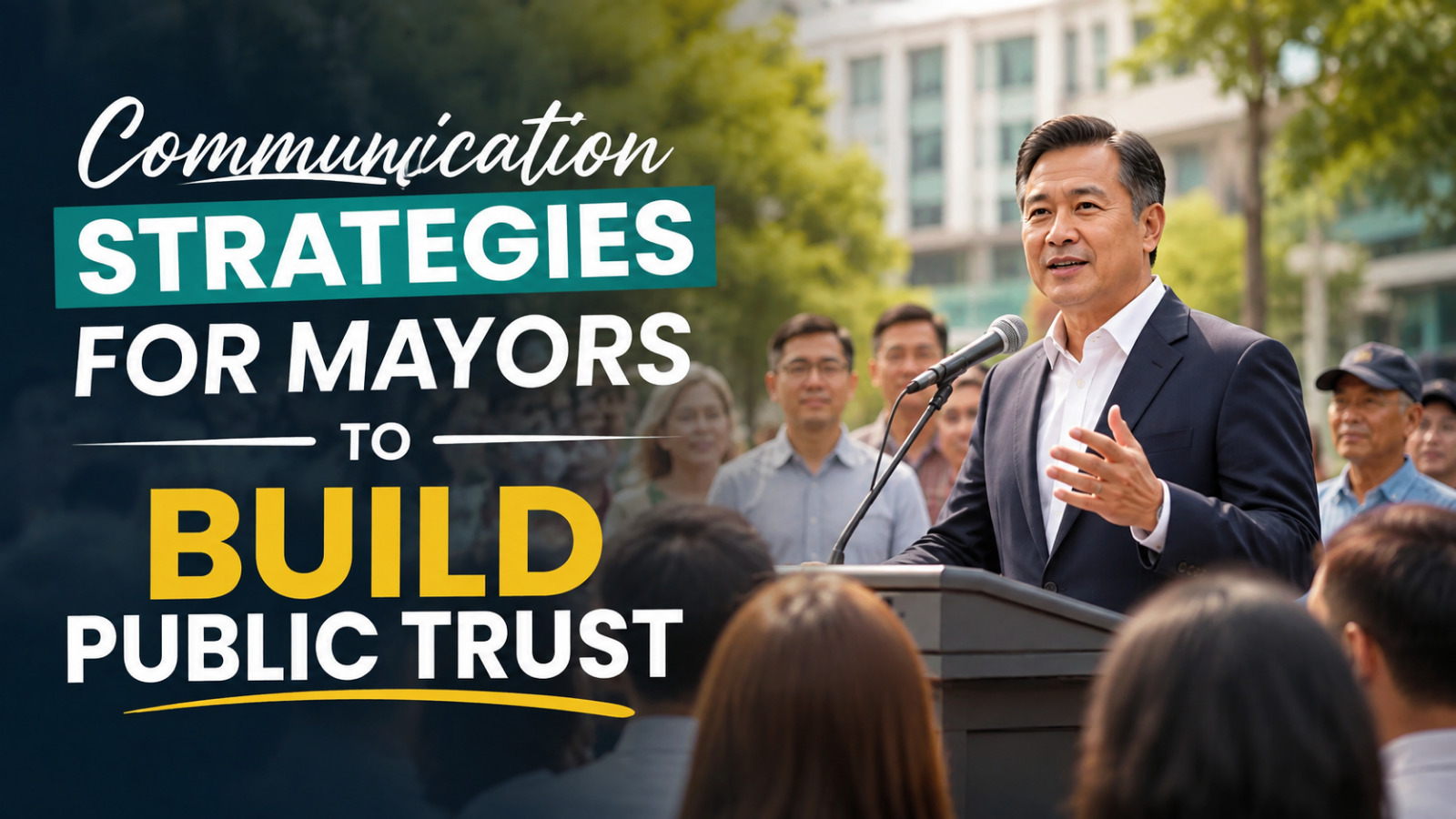
Public trust is an important foundation for effective local government. Residents are more likely to support government programs when they believe that their mayor communicates honestly, listens to their concerns, and acts responsibly. For this reason, Public Trust should be treated as an important part of local leadership.
A mayor needs more than formal announcements to build a strong relationship with residents. Communication should be clear, consistent, accessible, and based on reliable information. Through effective communication strategies, mayors can reduce misunderstandings, explain government decisions, and encourage constructive participation from the community.
COMMUNICATE CLEARLY AND HONESTLY
Clear communication is one of the most basic requirements for building public trust. A mayor should explain policies, development plans, and government programs using language that ordinary residents can understand. Clear Communication reduces confusion and helps people understand the purpose and expected benefits of government decisions.
Honesty is equally important, especially when a government program faces problems or delays. A mayor should avoid making unrealistic promises simply to gain public approval. Explaining challenges openly can demonstrate responsibility and create more realistic expectations. Over time, consistent honesty can strengthen the credibility of local leadership.
LISTEN TO COMMUNITY CONCERNS
Communication should be a two-way process. A mayor should not only provide information but also listen to residents' experiences, complaints, suggestions, and concerns. Community Listening can be conducted through public meetings, consultations, surveys, social media channels, or other appropriate communication methods.
Listening becomes meaningful when public feedback is followed by action or a clear explanation. Residents should understand whether their concerns can be addressed immediately, require further study, or fall outside local government authority. This transparency helps prevent people from feeling ignored. It also gives the mayor valuable information for improving policies.
PROVIDE ACCURATE PUBLIC INFORMATION
Residents need reliable information to understand government activities. Mayors should encourage local government institutions to provide Accurate Information through official channels. Information about programs, regulations, schedules, public services, and development activities should be presented clearly and updated when necessary.
Accurate information is particularly important during emergencies or controversial situations. Delayed or unclear communication can create rumors and unnecessary fear. Government communication should therefore prioritize verified facts and avoid statements that have not been properly confirmed. Responsible information management can protect public confidence.
USE DIGITAL COMMUNICATION EFFECTIVELY
Digital platforms provide mayors with opportunities to communicate with residents quickly. Official websites, social media, digital service platforms, and other appropriate channels can make government information more accessible. Digital Communication can also help residents submit questions and receive updates without always visiting government offices.
However, digital communication should be used responsibly. Government accounts should provide useful information rather than becoming channels for personal promotion. Content should remain professional, factual, and respectful. Mayors should also maintain non-digital communication options for residents who have limited internet access or digital skills.
EXPLAIN GOVERNMENT DECISIONS
Government decisions can sometimes affect different groups in different ways. A mayor should explain the reasons behind important policies instead of simply announcing the final decision. Policy Explanation should cover the problem being addressed, the intended goals, and the expected impact when appropriate.
Residents may disagree with a decision even after receiving an explanation. This does not necessarily mean communication has failed. Respectful dialogue allows people to express different opinions while helping the government understand potential problems. A mayor who communicates decisions openly can demonstrate that leadership is based on responsibility rather than avoiding criticism.
MAINTAIN CONSISTENT COMMUNICATION
Trust develops through repeated experiences rather than one successful communication campaign. A mayor should maintain Consistent Communication before, during, and after major government programs. Regular updates can help residents understand progress and changes.
Consistency also means that messages from different government departments should not contradict one another. Local government institutions need coordination so that public information remains clear. When communication is stable and predictable, residents can more easily identify reliable government sources.
BUILD RELATIONSHIPS WITH THE COMMUNITY
Public trust becomes stronger when residents feel that local government understands their daily experiences. A mayor can visit communities, attend appropriate public forums, and engage with different groups. Community Engagement allows leaders to see local conditions directly and build relationships beyond formal government meetings.
Engagement should involve different segments of society rather than only influential groups. Young people, workers, entrepreneurs, community organizations, and residents from different neighborhoods may have different perspectives. Inclusive engagement helps mayors develop a broader understanding of community needs.
CONCLUSION
Building public trust requires honest communication, active listening, accurate information, transparency, consistency, and meaningful community engagement. A mayor should treat communication as an ongoing responsibility rather than a tool used only during elections or major government announcements.
When residents receive clear information and have opportunities to express their views, cooperation between local government and the community can become stronger. Through responsible Communication Strategies, mayors can improve credibility, reduce misunderstandings, and create a more trusting relationship with the people they serve.
Tentang Penulis
Gusti Ayu Tita P
Penulis — Universitas STEKOM
Penulis aktif yang berfokus pada isu-isu akademik, teknologi pendidikan, dan pengembangan sumber daya manusia di lingkungan kampus.