Complete Guide to Using LRT
Gusti Ayu Tita P
11 Agustus 2026
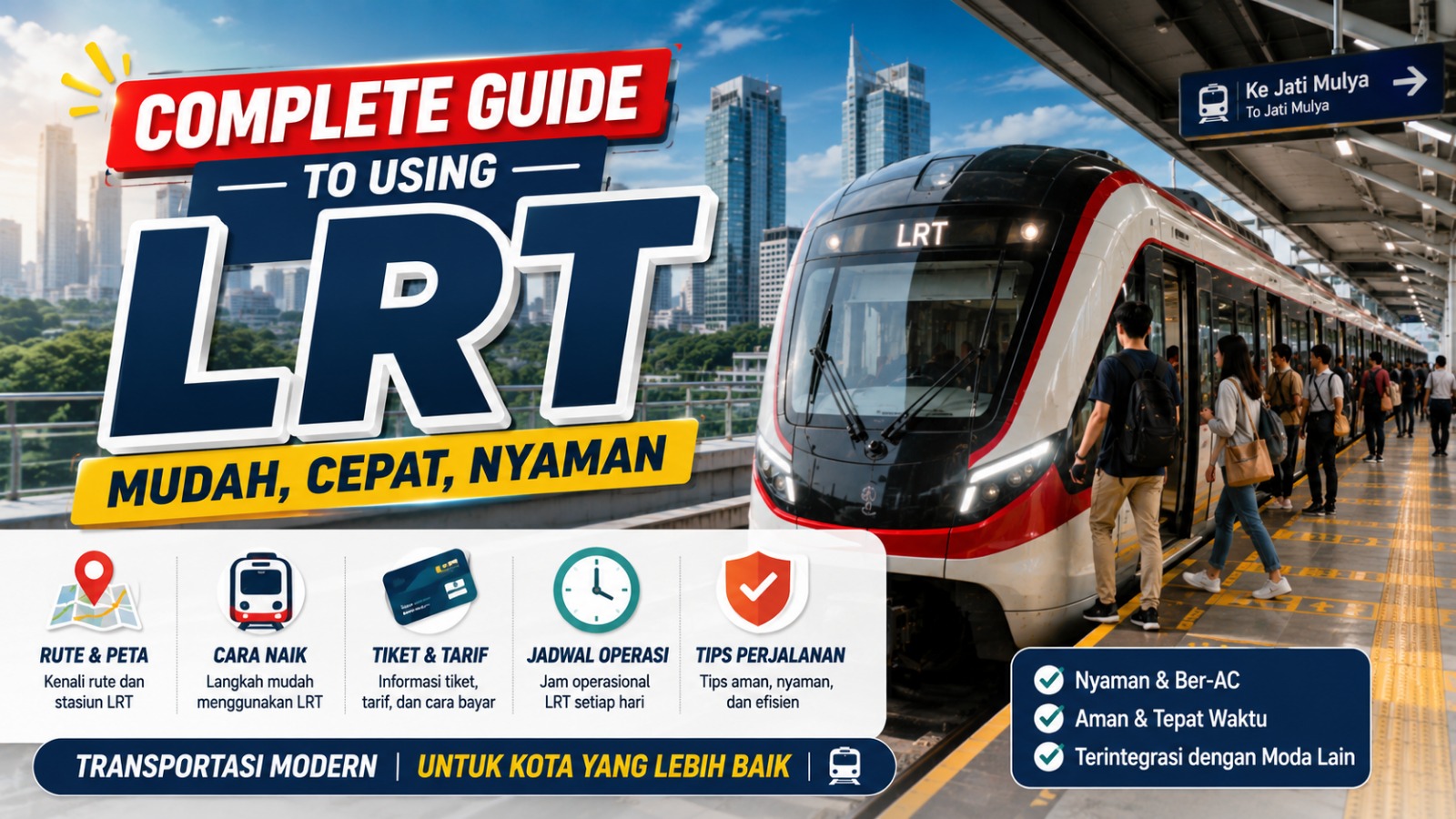
Light Rail Transit or LRT is a modern public transportation option designed to make urban travel easier, faster, and more organized. It is commonly used to connect residential areas with business districts, educational areas, shopping centers, and other important destinations. LRT operates on dedicated tracks, which helps provide more predictable travel times than road-based transportation during busy hours. For first-time passengers, understanding the basic procedures can make the journey more comfortable.
Using LRT is generally simple, but passengers need to understand several important steps. These include checking the route, finding the correct station, purchasing a ticket, entering the platform, and getting off at the right destination. Passengers should also understand basic rules and safety procedures while using the service. With proper preparation, LRT can become a practical option for daily transportation.
CHECK THE LRT ROUTE AND SCHEDULE
Before starting a journey, passengers should check the LRT route and operating schedule. Make sure the selected station is connected to the desired destination and identify whether a transfer to another line or transportation mode is required. Route maps are usually available at stations and through official transportation information channels. Checking the schedule in advance can also help passengers avoid unnecessary waiting.
Passengers should pay attention to the direction of the train and the final station shown on information boards. This is especially important when several trains use the same platform or route. If a transfer is required, check the connecting station and allow enough time to change trains. Good route planning makes the entire journey easier and reduces the risk of getting on the wrong train.
PREPARE YOUR TICKET
Passengers need a valid ticket or payment method before entering the LRT system. Depending on the service, tickets may be available through ticket machines, service counters, transport cards, or approved digital payment methods. Always check the current payment options before traveling because ticket systems can differ between LRT networks. Preparing the required payment method in advance can make the station entry process faster.
After purchasing a ticket, keep it accessible until the journey is complete. Some systems require passengers to tap a card or scan a ticket when entering and leaving the station. Follow the instructions shown at the ticket gates and ask station staff for assistance if a payment problem occurs. Avoid using damaged or invalid tickets because they may prevent access through the gate.
ARRIVE AT THE STATION EARLY
Arriving at the station a few minutes before the planned departure gives passengers enough time to complete the necessary steps. Larger stations may require additional walking time between entrances, ticket gates, platforms, and connecting services. During peak hours, queues can also take longer than usual. Arriving early is especially useful for passengers who are unfamiliar with the station layout.
Once inside the station, follow the signs directing passengers toward the correct platform. Check the electronic display or station announcement to confirm the train destination and departure information. Do not rush onto a train without checking its direction first. A few minutes of preparation can prevent unnecessary delays during the journey.
FOLLOW PLATFORM SAFETY RULES
Passengers should always follow safety signs and instructions while waiting for the train. Stand behind the designated safety line and avoid standing too close to the platform edge. Allow passengers to leave the train before attempting to board. These simple habits help maintain an orderly and safe boarding process.
Passengers should also avoid running, pushing, or blocking the platform entrance. Keep personal belongings secure and pay attention to announcements, especially when the station is crowded. Parents and guardians should keep children close while waiting for the train. Following platform rules helps create a safer environment for everyone.
BOARD THE TRAIN CORRECTLY
When the train arrives, check the destination information before boarding. Let passengers inside the train exit first so that boarding can happen more efficiently. Enter through the designated doors and move further inside to make room for other passengers. During busy periods, passengers may need to stand rather than wait for a seat.
Once inside, hold the handrail if standing and keep bags close to your body. Avoid blocking the doors because other passengers may need to enter or exit at the next station. If seats are available, give priority to passengers who may need them more, such as elderly people, pregnant passengers, or people with disabilities. Good passenger behavior makes the journey more comfortable for everyone.
PAY ATTENTION TO YOUR DESTINATION
During the journey, monitor station announcements and electronic displays to avoid missing your stop. If you are traveling to an unfamiliar location, compare the displayed station names with your planned route. Preparing a simple list of the stations before departure can also make the journey easier to follow. Do not rely only on memory, especially when traveling on a new route.
When your destination is approaching, move toward the door without blocking other passengers. Wait until the train has completely stopped before leaving. After getting off, follow the signs toward the station exit or connecting transportation. Checking the exit number can be helpful when a station has multiple entrances leading to different areas.
USE LRT WITH OTHER TRANSPORTATION
LRT is often most useful when it is connected with other forms of public transportation. Passengers may need to continue their journey by bus, commuter train, subway, or another local service. Before traveling, check the available connections around the destination station. Understanding these connections can help reduce walking time and unnecessary transfers.
Integrated transportation also allows passengers to choose the most efficient route based on their destination. When transferring, follow signs to the connecting service and check whether another ticket or payment is required. Keep enough time for transfers, particularly during busy periods. A well-planned combination of transportation modes can make urban travel more convenient.
RESPECT LRT RULES AND OTHER PASSENGERS
Passengers should follow all rules displayed inside stations and trains. Eating, drinking, smoking, or other activities may be restricted depending on the transportation system. Keep noise at a reasonable level and use headphones when listening to audio. These simple actions help maintain a comfortable environment for everyone.
Passengers should also keep the train and station clean by disposing of waste properly. Avoid occupying multiple seats when the train is crowded and give priority seats to people who need them. Respecting other passengers is an important part of using public transportation responsibly. Good behavior helps make LRT a pleasant transportation option for daily travel.
CONCLUSION
Using LRT is relatively simple when passengers understand the basic travel process. Start by checking the route and schedule, preparing a valid ticket, arriving at the station early, and confirming the correct platform. During the journey, follow safety rules, board properly, and pay attention to station announcements. These steps can make LRT travel safer, more comfortable, and more efficient.
LRT can be a practical choice for daily urban mobility, especially when its services are well connected with other public transportation. By planning the route and following passenger rules, both first-time and regular users can enjoy a smoother journey. Always check the latest information from the relevant LRT operator because routes, schedules, fares, and payment systems may change.
Tentang Penulis
Gusti Ayu Tita P
Penulis — Universitas STEKOM
Penulis aktif yang berfokus pada isu-isu akademik, teknologi pendidikan, dan pengembangan sumber daya manusia di lingkungan kampus.