
Comprehensive Examination as the Final Gateway to Graduation
Gusti Ayu Tita P
13 Oktober 2026
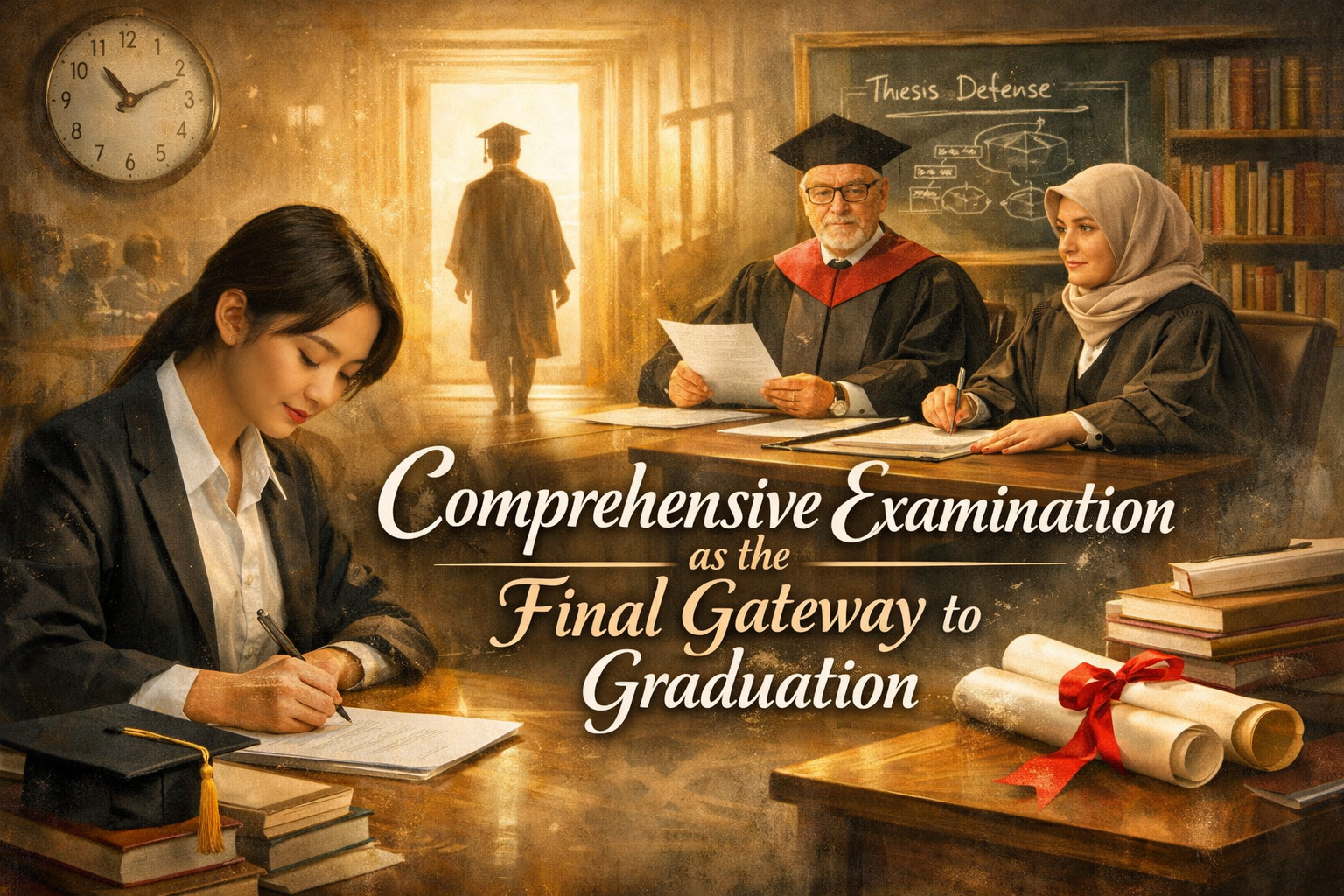
Completing a university degree is not only about passing courses and finishing a thesis. Many higher education institutions also require students to pass a comprehensive examination before they are officially eligible for graduation. This examination serves as the final academic assessment to evaluate a student's understanding of the knowledge gained throughout their study program. It also measures critical thinking, analytical abilities, and readiness to enter the professional world or pursue higher education.
For many students, the comprehensive examination can feel intimidating because it covers a broad range of subjects instead of focusing on a single research topic. However, with proper preparation and an effective study strategy, this stage can become an opportunity to demonstrate academic competence. Understanding the purpose, format, and preparation methods will significantly increase the chances of achieving excellent results.
UNDERSTANDING THE COMPREHENSIVE EXAMINATION
A comprehensive examination is a final academic assessment designed to evaluate a student's mastery of the core subjects within a study program. Unlike regular exams that focus on one course, this examination combines knowledge from multiple disciplines learned throughout the academic journey. The goal is to ensure that graduates possess sufficient theoretical and practical understanding before earning their degree.
Most universities conduct the examination through written tests, oral examinations, or a combination of both. Students are expected to explain concepts, solve problems, analyze case studies, and answer questions from a panel of lecturers. This process demonstrates not only academic knowledge but also communication skills, confidence, and logical reasoning.
WHY THE COMPREHENSIVE EXAMINATION IS IMPORTANT
The comprehensive examination plays an essential role in maintaining academic quality and ensuring graduates meet institutional standards. It verifies that students have successfully integrated the knowledge acquired from various courses instead of memorizing isolated information. This comprehensive evaluation reflects the student's readiness to apply academic concepts in real-life situations.
In addition to academic assessment, passing this examination often becomes one of the mandatory graduation requirements. Successfully completing it increases students' confidence before entering the workforce or continuing to postgraduate education. Employers and graduate schools also value candidates who have demonstrated strong analytical and problem-solving abilities through rigorous academic evaluations.
COMMON FORMATS OF A COMPREHENSIVE EXAMINATION
Different universities may implement different examination formats depending on their academic policies. The written examination usually consists of essay questions, case analyses, and theoretical discussions covering several major subjects. Students must demonstrate broad understanding rather than simply recalling memorized facts.
Meanwhile, the oral examination allows examiners to assess how well students explain concepts, defend arguments, and respond to follow-up questions. Some institutions combine both written and oral assessments to provide a more complete evaluation of student competence. Certain professional programs may even include practical examinations that assess technical or laboratory skills.
HOW TO PREPARE FOR A COMPREHENSIVE EXAMINATION
Effective preparation begins with reviewing all major subjects studied during the academic program. Students should organize lecture notes, textbooks, previous assignments, and important references into structured study materials. Creating summaries and concept maps can make complex topics easier to understand and remember.
Time management is equally important. Developing a realistic study schedule allows students to review every subject systematically without becoming overwhelmed. Participating in study groups, discussing potential questions with classmates, and consulting lecturers can also improve understanding and identify areas that require additional attention.
TIPS TO SUCCEED IN THE COMPREHENSIVE EXAMINATION
Success depends not only on knowledge but also on preparation and confidence. Students should practice answering sample questions, especially essay-based and analytical questions that require detailed explanations. Mock oral examinations with friends or mentors can also help improve speaking skills and reduce anxiety.
Maintaining physical health and mental well-being is another important factor. Getting enough sleep, eating nutritious meals, and managing stress contribute to better concentration during preparation and examination day. Arriving early, staying calm, and reading every question carefully will further improve overall performance.
CHALLENGES STUDENTS OFTEN FACE
Many students struggle with the wide range of topics included in a comprehensive examination. Unlike subject-specific tests, this examination requires the integration of knowledge from several semesters, making preparation more demanding. Some students also experience stress because they are uncertain about the types of questions that may appear.
Another common challenge is balancing examination preparation with thesis revisions, internships, or other graduation requirements. Proper planning and prioritization help students manage these responsibilities effectively. Seeking guidance from academic advisors and experienced seniors can also provide valuable insights into the examination process.
BENEFITS OF PASSING THE COMPREHENSIVE EXAMINATION
Passing the comprehensive examination provides students with more than just graduation eligibility. It demonstrates academic competence, critical thinking, and the ability to synthesize knowledge from multiple disciplines. These qualities are highly valued by employers and academic institutions alike.
The examination also strengthens students' confidence in their professional abilities. Graduates who successfully complete this final assessment often feel better prepared to face workplace challenges, professional certification examinations, or postgraduate studies. It represents a significant milestone that reflects years of dedication and academic achievement.
CONCLUSION
The comprehensive examination serves as the final gateway to graduation by evaluating a student's overall academic competence and readiness for future challenges. Although the examination may appear demanding, careful preparation, disciplined study habits, and effective time management greatly increase the likelihood of success.
Rather than viewing the examination as an obstacle, students should see it as an opportunity to demonstrate everything they have learned throughout their university education. With determination, consistent preparation, and confidence, passing the comprehensive examination becomes an important achievement that marks the successful completion of higher education.
Tentang Penulis
Gusti Ayu Tita P
Penulis — Universitas STEKOM
Penulis aktif yang berfokus pada isu-isu akademik, teknologi pendidikan, dan pengembangan sumber daya manusia di lingkungan kampus.



