Digitalization as the Key to MSME Business Transformation
Gusti Ayu Tita P
17 Agustus 2026
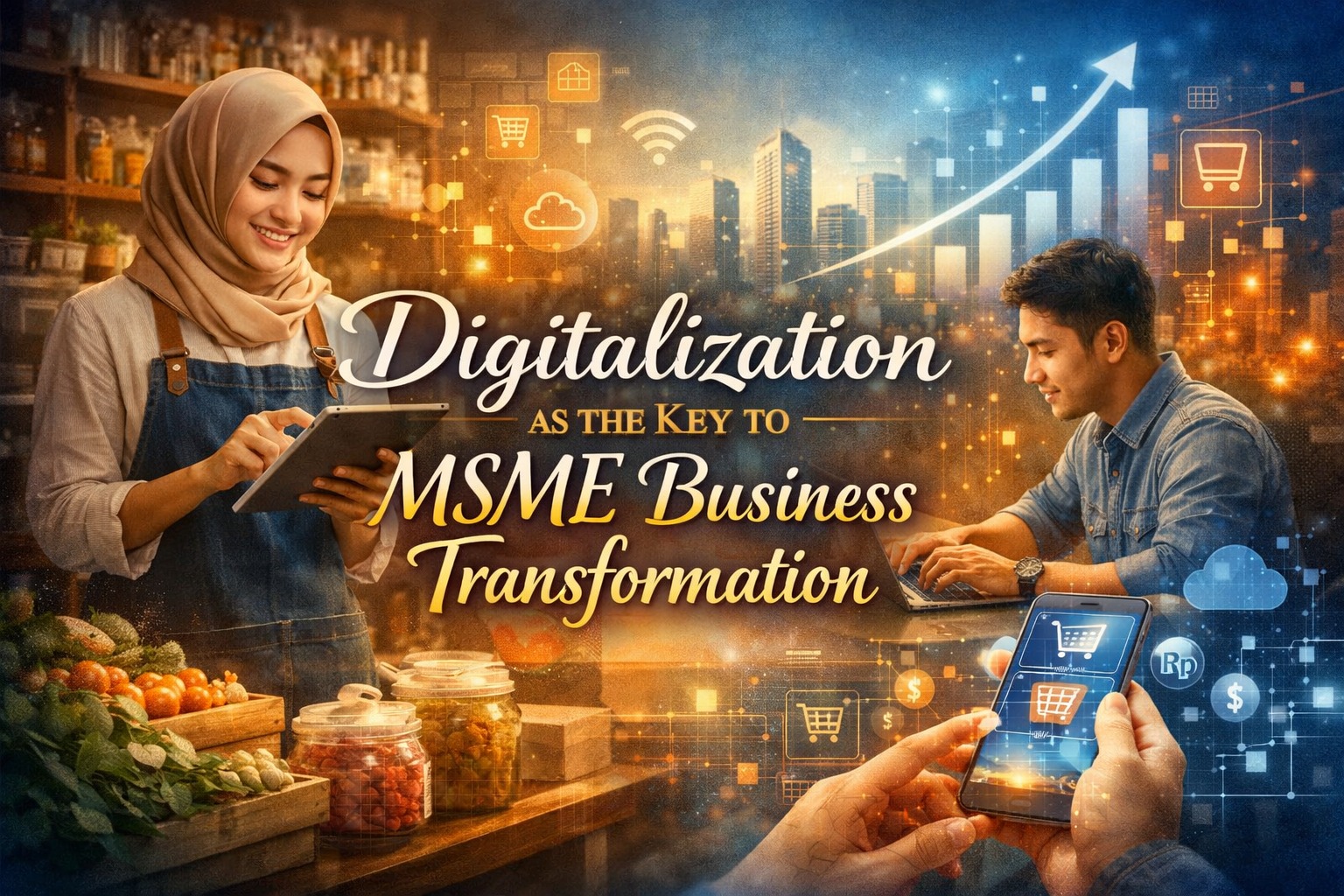
Digitalization has become one of the most important drivers of business growth in today's competitive economy. For Micro, Small, and Medium Enterprises (MSMEs), adopting digital technology is no longer an option but a necessity to remain competitive and sustainable. Businesses that embrace digital tools can reach more customers, improve operational efficiency, and make better business decisions based on data. As consumer behavior increasingly shifts toward online platforms, MSMEs need to adapt to changing market demands.
The rapid development of the internet, smartphones, and cloud-based applications has made digital solutions more accessible than ever before. Even small businesses with limited budgets can now use affordable digital platforms to market products, manage finances, and communicate with customers. Business transformation through digitalization allows MSMEs to grow faster while reducing unnecessary costs and improving customer satisfaction.
WHY DIGITALIZATION IS IMPORTANT FOR MSMES?
Digital transformation helps MSMEs increase productivity by automating routine business processes. Tasks such as inventory management, financial recording, and customer communication can be handled more efficiently using digital applications. This reduces manual errors and allows business owners to focus on strategic activities such as product innovation and customer service. As a result, businesses become more competitive in both local and global markets.
Another important benefit is the ability to expand market reach beyond geographical boundaries. Through e-commerce platforms, social media, and digital advertising, MSMEs can attract customers from different cities or even other countries. Digital marketing also enables businesses to target specific customer groups more effectively. This creates greater opportunities for increased sales and long-term business growth.
DIGITAL TOOLS THAT SUPPORT BUSINESS TRANSFORMATION
Various digital tools are available to help MSMEs improve daily operations. Accounting software simplifies financial management by recording transactions automatically and generating financial reports quickly. Customer Relationship Management (CRM) systems help businesses maintain better communication with customers while improving customer loyalty. Cloud storage also allows important business data to be accessed securely from anywhere.
In addition, digital payment systems have significantly improved transaction convenience for both businesses and customers. Online payment methods reduce cash handling risks and speed up the purchasing process. Social media management tools, email marketing platforms, and website analytics also provide valuable insights into customer preferences. By utilizing these technologies, MSMEs can make smarter business decisions based on accurate information.
CHALLENGES OF DIGITALIZATION FOR MSMES
Although digitalization offers many advantages, MSMEs often face several challenges during implementation. One of the biggest obstacles is the lack of digital literacy among business owners and employees. Without proper training, businesses may struggle to maximize the benefits of digital technology. Limited financial resources can also delay investments in software, hardware, or professional digital services.
Another challenge involves cybersecurity and data protection. As businesses increasingly rely on online systems, protecting customer information becomes essential. MSMEs should invest in secure passwords, data backup systems, and employee awareness regarding cyber threats. Building digital capabilities gradually while maintaining data security will help businesses grow with confidence.
STRATEGIES FOR SUCCESSFUL DIGITAL TRANSFORMATION
Successful digital transformation begins with a clear business strategy. MSMEs should first identify the areas that need improvement before selecting appropriate digital solutions. Rather than adopting every available technology, businesses should focus on tools that directly support their operational goals and customer needs. Strategic planning ensures that technology investments deliver measurable business value.
Continuous learning is equally important throughout the transformation process. Business owners should participate in digital training programs, attend webinars, and follow current technology trends. Regular evaluation of digital performance also helps identify areas for improvement. By combining innovation, employee development, and customer-focused strategies, MSMEs can achieve sustainable business growth.
CONCLUSION
Digitalization is transforming the way MSMEs operate, compete, and serve customers. By adopting digital technology, businesses can improve efficiency, strengthen customer relationships, and access wider market opportunities. Although challenges such as digital literacy and cybersecurity remain, they can be addressed through continuous learning and proper planning. Businesses that embrace digital transformation today will be better prepared to face future market changes.
In the digital era, success depends not only on having quality products but also on the ability to use technology effectively. Digital business transformation enables MSMEs to become more resilient, innovative, and competitive in a rapidly evolving economy. Investing in digital capabilities is therefore one of the smartest decisions for long-term business success.
Tentang Penulis
Gusti Ayu Tita P
Penulis — Universitas STEKOM
Penulis aktif yang berfokus pada isu-isu akademik, teknologi pendidikan, dan pengembangan sumber daya manusia di lingkungan kampus.