
Does Achievement in Academic Competition Guarantee Readiness for the Workforce?
Gusti Ayu Tita P
27 Februari 2026
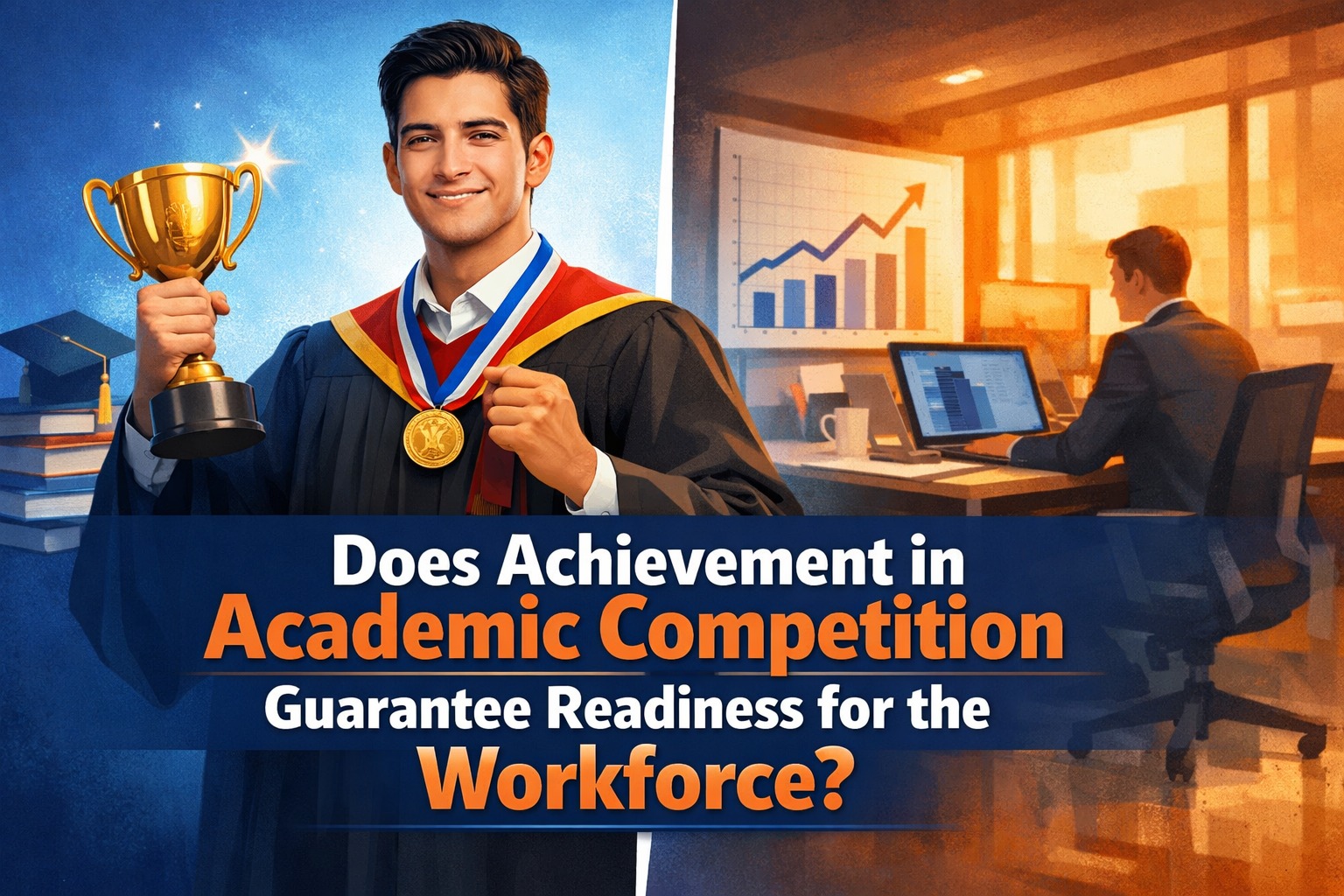
Academic competition is often viewed as a strong indicator of intelligence, discipline, and capability. Students who win debates, secure top rankings, or earn prestigious scholarships are frequently considered high achievers. But an important question remains: does achievement in academic competition guarantee readiness for the workforce?
In today’s dynamic job market, employers seek more than academic excellence. They look for adaptability, communication skills, teamwork, leadership, and real-world problem-solving abilities. Therefore, while academic competition can contribute to workforce readiness, it may not be the only determining factor.
Understanding Academic Competition and Workforce Readiness
Academic competition typically measures students’ performance in areas such as exams, research projects, innovation contests, and structured evaluations. These achievements demonstrate cognitive ability, dedication, and perseverance.
Workforce readiness, however, refers to a broader set of competencies, including:
- Technical knowledge
- Soft skills
- Emotional intelligence
- Professional ethics
- Adaptability to change
The key issue is whether success in competitive academic settings directly translates into workplace success.
How Academic Competition Prepares Students for the Workforce
1. Develops Strong Work Ethic
Students who excel in academic competitions often display discipline and consistency. Preparing for high-level competitions requires long hours of study, focus, and commitment.
This strong work ethic is highly valued in professional environments where meeting deadlines and maintaining productivity are essential.
2. Enhances Problem-Solving Skills
Many academic competitions involve case studies, research challenges, or analytical tasks. Students must evaluate complex information, think critically, and propose effective solutions.
These problem-solving abilities are directly relevant to the workplace, where employees are expected to address real-world challenges efficiently.
3. Builds Resilience and Confidence
Competition exposes students to both success and failure. Learning to handle setbacks and continue striving builds resilience.
In the workforce, resilience is crucial when facing rejection, project difficulties, or unexpected changes. Confidence gained through academic achievements can also help graduates perform better in interviews and professional presentations.
4. Demonstrates Achievement and Initiative
Employers often value candidates who have a proven track record of excellence. Awards and recognitions from academic competitions can strengthen resumes and demonstrate initiative.
Such accomplishments signal that a candidate is goal-oriented and capable of performing under pressure.
The Limitations of Academic Competition
Despite these benefits, academic achievement alone does not guarantee workforce readiness.
1. Limited Emphasis on Soft Skills
While some competitions promote teamwork, many focus primarily on individual performance. However, modern workplaces require strong collaboration, communication, and interpersonal skills.
A student who excels academically may still struggle in environments that demand constant interaction and cooperation.
2. Lack of Real-World Experience
Academic competitions often simulate real-world scenarios but do not fully replicate workplace dynamics. Real jobs involve organizational culture, client communication, negotiation, and long-term project management.
Without internships, practical training, or hands-on experience, academic success may not fully prepare students for professional realities.
3. Overemphasis on Performance Metrics
Academic competitions typically reward measurable outcomes, such as scores or rankings. In contrast, workplace success often depends on adaptability, creativity, and emotional intelligence—qualities that are not always measured through competitive academic systems.
The Importance of a Holistic Approach
To truly prepare students for the workforce, educational institutions should combine academic competition with:
- Internship programs
- Project-based learning
- Leadership opportunities
- Soft skill training
- Industry collaboration
A balanced educational model ensures that students develop both academic excellence and practical competencies.
Conclusion
Achievement in academic competition can significantly contribute to workforce readiness by developing discipline, problem-solving skills, resilience, and confidence. However, it does not automatically guarantee professional success.
Workforce readiness requires a combination of technical knowledge, soft skills, adaptability, and real-world experience. Academic competition should therefore be viewed as one important component of preparation—not the sole determinant of career success.
Ultimately, students who integrate competitive achievements with practical experience and interpersonal skills are more likely to thrive in today’s competitive job market.
Tentang Penulis
Gusti Ayu Tita P
Penulis — Universitas STEKOM
Penulis aktif yang berfokus pada isu-isu akademik, teknologi pendidikan, dan pengembangan sumber daya manusia di lingkungan kampus.















