Easy Ways to Improve Public Speaking Skills from an Early Age
Gusti Ayu Tita P
7 Agustus 2026
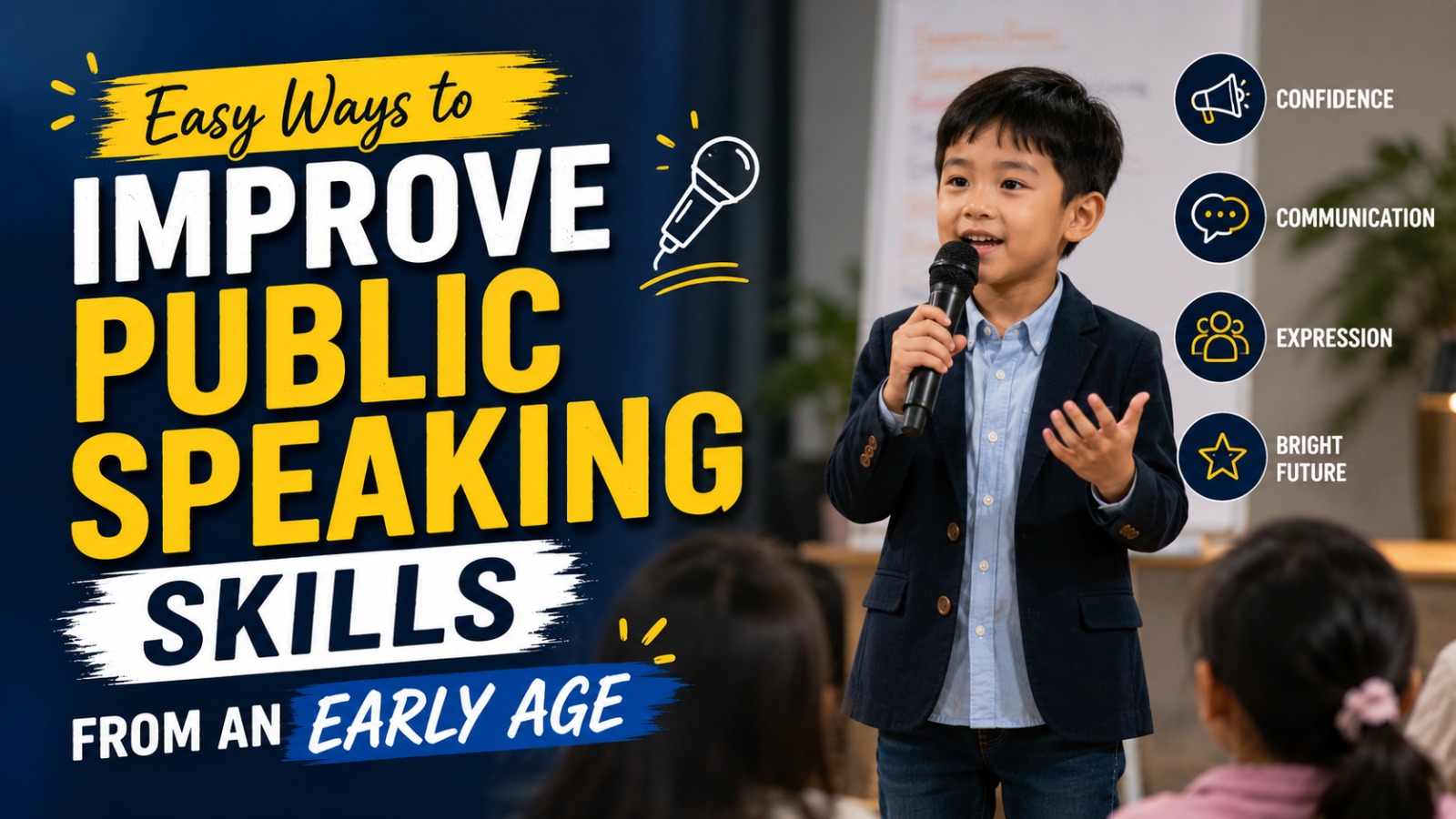
Public speaking is an essential skill that helps individuals communicate ideas clearly and confidently. Whether speaking in front of a classroom, participating in group discussions, or giving professional presentations, strong speaking abilities create opportunities for personal and career growth. Developing these skills from an early age allows children and young adults to become more confident, expressive, and prepared for future challenges. Fortunately, public speaking is a skill that anyone can improve through consistent practice and the right techniques.
Learning to speak confidently also strengthens communication, leadership, and problem-solving abilities. The earlier individuals begin practicing, the more natural public speaking becomes over time. By building positive habits early, they can overcome fear and become effective communicators in various situations.
UNDERSTANDING THE IMPORTANCE OF PUBLIC SPEAKING
Public speaking is the ability to communicate ideas effectively in front of an audience. It involves organizing thoughts, delivering messages clearly, and engaging listeners with confidence. Strong public speaking skills help students perform better in school while preparing professionals for leadership roles in the workplace. These abilities are valuable in both personal and professional life.
Good public speaking also improves self-expression. Individuals become more comfortable sharing opinions, participating in discussions, and explaining complex ideas. As confidence grows, communication becomes more effective and meaningful.
START PRACTICING FROM AN EARLY AGE
Developing speaking confidence begins with regular practice during childhood or adolescence. Reading aloud, telling stories, and participating in classroom activities help build communication skills naturally. These simple exercises encourage individuals to become comfortable expressing themselves in front of others. Early exposure also reduces the fear of speaking in public later in life.
Parents and teachers play an important role by creating supportive learning environments. Encouraging children to share ideas without fear of criticism helps build confidence. Positive experiences during the learning process create lasting motivation to continue improving.
IMPROVE COMMUNICATION THROUGH DAILY PRACTICE
Consistent communication skills improve through everyday conversations and practical exercises. Speaking clearly, maintaining eye contact, and using appropriate body language make messages easier to understand. Practicing in front of a mirror or recording presentations allows individuals to identify areas that need improvement. Regular practice gradually strengthens speaking abilities.
Joining school clubs, debate groups, or community organizations also provides valuable experience. These opportunities expose individuals to different speaking situations while improving confidence through repeated practice. Every presentation becomes a learning experience that contributes to long-term growth.
OVERCOME FEAR OF PUBLIC SPEAKING
Many people experience nervousness before speaking in front of an audience. Developing self confidence requires accepting that feeling nervous is completely normal. Proper preparation, deep breathing, and practicing multiple times before presenting help reduce anxiety significantly. Confidence increases naturally as speaking experience grows.
Focusing on the message rather than personal fear also improves performance. Instead of worrying about making mistakes, concentrate on sharing useful information with the audience. This mindset creates a more relaxed and authentic speaking style.
DEVELOP EFFECTIVE PRESENTATION SKILLS
Strong presentation skills involve more than simply speaking clearly. Organizing ideas logically, using simple language, and maintaining audience engagement make presentations more effective. Visual aids, storytelling, and relevant examples also help listeners understand key messages. Careful preparation improves both confidence and presentation quality.
Using appropriate gestures and facial expressions makes communication more natural. Speaking with enthusiasm captures audience attention and creates a stronger connection with listeners. These techniques help presenters deliver memorable and impactful speeches.
LEARN FROM FEEDBACK AND EXPERIENCE
Continuous improvement depends on receiving constructive feedback. Teachers, mentors, friends, and family can provide valuable suggestions for improving pronunciation, body language, and speaking style. Listening openly to feedback allows individuals to identify strengths and areas for development. Every speaking opportunity becomes a chance to learn.
Self-evaluation is equally important. Watching recorded presentations or reflecting after each speech helps identify progress over time. Small improvements made consistently lead to significant growth in public speaking abilities.
BUILD LIFELONG COMMUNICATION HABITS
Developing excellent public speaking skills requires long-term commitment and regular practice. Reading books, expanding vocabulary, listening to experienced speakers, and participating in discussions all contribute to stronger communication abilities. These habits improve both confidence and overall speaking performance. Lifelong learning ensures continuous improvement.
Maintaining a positive attitude is also essential. Every successful speaker once started as a beginner, and mistakes are part of the learning process. Persistence, patience, and regular practice eventually transform nervous speakers into confident communicators.
CONCLUSION
Easy ways to improve public speaking skills from an early age include practicing regularly, building speaking confidence, improving communication skills, developing effective presentation skills, and learning from constructive feedback. These habits help individuals become more confident and capable communicators throughout life.
Public speaking is a valuable skill that opens many educational, personal, and professional opportunities. By starting early and practicing consistently, anyone can become a confident speaker who communicates ideas clearly and inspires others.
Tentang Penulis
Gusti Ayu Tita P
Penulis — Universitas STEKOM
Penulis aktif yang berfokus pada isu-isu akademik, teknologi pendidikan, dan pengembangan sumber daya manusia di lingkungan kampus.