Effective Leadership In Managing Structural Positions
Gusti Ayu Tita P
12 Agustus 2026
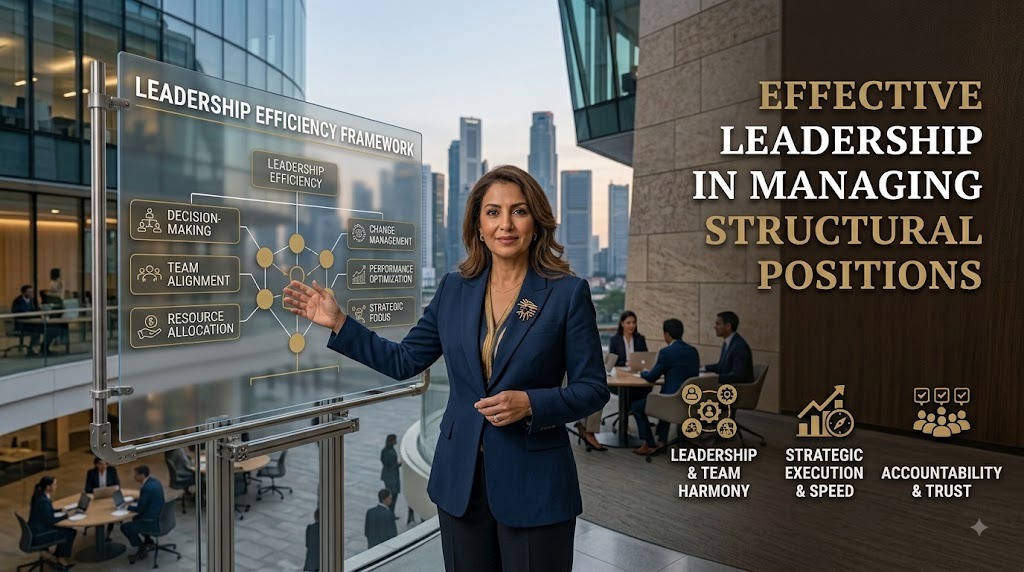
Effective leadership is essential for managing structural positions because leaders are responsible for directing people, coordinating activities, and ensuring that organizational objectives are achieved. A structural leader does not only have formal authority but also needs the ability to influence employees through positive behavior and clear direction. Leadership competence, integrity, communication, and accountability are important foundations for successful management. When these qualities are applied consistently, organizations can operate more efficiently and professionally.
Managing structural positions can become increasingly complex as organizations face technological development, changing employee expectations, limited resources, and new challenges. Leaders need to make appropriate decisions while maintaining fairness and organizational standards. They must also encourage employees to improve their performance and adapt to changing conditions. Therefore, effective leadership is an important factor in creating a productive, responsible, and sustainable organization.
UNDERSTANDING EFFECTIVE LEADERSHIP
Effective leadership refers to the ability to guide individuals and teams toward shared organizational goals. Leaders need to provide direction while creating an environment where employees can contribute their skills and ideas. They should understand the responsibilities associated with their structural position and use authority appropriately. Clear direction and responsible authority help employees understand what is expected from them.
Effective leaders also recognize that leadership is not only about giving instructions. They need to listen, communicate, solve problems, and support employees when difficulties occur. A leader should be willing to evaluate decisions and learn from experience. This approach creates trust, cooperation, and stronger organizational performance.
ESTABLISHING CLEAR GOALS AND RESPONSIBILITIES
Clear organizational goals provide direction for employees and structural leaders. Leaders should translate broad organizational objectives into realistic targets and measurable activities. Employees need to understand their roles and how their responsibilities contribute to these objectives. Clear goals and responsibilities reduce confusion and overlapping tasks.
Leaders should communicate priorities consistently and review progress regularly. If organizational conditions change, goals may need to be adjusted while maintaining the main strategic direction. Employees should receive appropriate guidance when responsibilities or priorities change. Effective goal management improves focus, coordination, and accountability.
DEVELOPING MANAGERIAL COMPETENCE
Structural leaders need strong managerial competence to plan, organize, coordinate, monitor, and evaluate organizational activities. They should understand how to allocate resources and distribute responsibilities according to organizational priorities. Good management also requires the ability to identify risks and respond to operational problems. Managerial competence provides a practical foundation for effective leadership.
Competence should continue to develop after an individual receives a leadership position. Training, mentoring, professional education, and experience can help leaders improve their abilities. Feedback from employees and colleagues can also reveal areas that need improvement. Continuous development supports better decisions and more consistent management.
BUILDING EFFECTIVE COMMUNICATION
Communication is one of the most important skills for structural leaders. Leaders need to explain policies, goals, responsibilities, and expectations in a clear and understandable manner. They should also listen to employee concerns and encourage constructive feedback. Effective communication can reduce misunderstandings and improve workplace coordination.
Professional communication should be respectful even when leaders are dealing with mistakes or difficult situations. Leaders should avoid communicating through anger, humiliation, or unclear instructions. Important information should be shared through appropriate channels and at the right time. Strong communication creates trust, transparency, and better teamwork.
MANAGING CONFLICT PROFESSIONALLY
Conflict is a normal possibility in organizations where employees have different views, responsibilities, and working styles. Structural leaders need to address conflict before it negatively affects teamwork and performance. They should listen to relevant perspectives and identify the underlying causes of disagreements. Professional conflict management helps maintain a healthy work environment.
Leaders should focus on fair solutions rather than assigning blame. Organizational policies should guide formal decisions when necessary. Sensitive information should also be handled carefully to protect the people involved. Effective conflict management promotes fairness, cooperation, and organizational stability.
MANAGING RESOURCES EFFECTIVELY
Structural leaders are responsible for ensuring that organizational resources are used according to priorities. Resources may include employees, budgets, facilities, technology, information, and time. Poor allocation can reduce efficiency and prevent important activities from achieving their objectives. Effective resource management helps organizations obtain better results from available resources.
Leaders should monitor resource use and evaluate whether it supports organizational goals. Employee workloads should also be considered to prevent unnecessary pressure and maintain sustainable performance. Leaders can identify inefficient processes and make improvements where appropriate. Responsible resource management supports efficiency and organizational sustainability.
USING DIGITAL TECHNOLOGY RESPONSIBLY
Digital technology has changed how organizations communicate, manage information, and deliver services. Structural leaders need sufficient digital knowledge to understand which tools can support organizational activities. They should encourage employees to use technology efficiently while maintaining appropriate security practices. Digital leadership is increasingly important in modern organizations.
Leaders must also consider data privacy, cybersecurity, and access to information. Digital systems should be selected according to actual organizational needs rather than technology trends alone. Employees may require training before new systems are introduced. Responsible technology management supports innovation, efficiency, and information security.
STRENGTHENING INTEGRITY AND ACCOUNTABILITY
Integrity is essential because structural leaders have authority over employees and organizational resources. Leaders should be honest, fair, and consistent when carrying out their responsibilities. They must avoid conflicts of interest, misuse of authority, and unfair treatment. Ethical leadership strengthens confidence among employees and stakeholders.
Accountability means that leaders are willing to explain and take responsibility for their actions and decisions. Performance should be monitored using appropriate standards and evidence. If mistakes occur, leaders should focus on corrective action and organizational learning. Strong integrity and accountability create a trustworthy and professional workplace culture.
ADAPTING TO ORGANIZATIONAL CHANGE
Modern organizations must respond to changes in technology, regulations, economic conditions, and stakeholder expectations. Structural leaders need to guide employees through these changes while maintaining organizational stability. They should communicate the reasons for change and explain how it will affect employees. Adaptability and change management are therefore important leadership competencies.
Leaders should also recognize that employees may need time and support to adjust. Training, clear communication, and opportunities to provide feedback can make transitions easier. Leaders should evaluate whether changes produce the intended results and make adjustments when necessary. Effective adaptation strengthens organizational resilience and long term performance.
EVALUATING LEADERSHIP PERFORMANCE
Effective leaders need to evaluate their own performance regularly. Evaluation can involve organizational results, employee feedback, service quality, teamwork, and achievement of strategic goals. Leaders should use reliable information rather than personal assumptions when assessing performance. Performance evaluation helps identify both strengths and areas for improvement.
Feedback should be treated as an opportunity for professional development. Leaders who are open to constructive criticism can improve their communication, decision making, and management practices. Organizations can also use leadership evaluations to design appropriate training programs. Continuous evaluation supports better leadership quality and organizational effectiveness.
CONCLUSION
Effective leadership in managing structural positions requires more than formal authority. Leaders need managerial competence, clear communication, ethical behavior, decision making ability, employee development skills, and adaptability. They must be able to coordinate people and resources while maintaining accountability and organizational standards.
Professional leadership develops through continuous learning and practical experience. By leading by example, communicating effectively, making fair decisions, managing resources responsibly, developing employees, and adapting to change, structural leaders can strengthen organizational performance. Effective leadership ultimately helps create organizations that are productive, trustworthy, resilient, and capable of achieving their long term objectives.
Tentang Penulis
Gusti Ayu Tita P
Penulis — Universitas STEKOM
Penulis aktif yang berfokus pada isu-isu akademik, teknologi pendidikan, dan pengembangan sumber daya manusia di lingkungan kampus.