Effective Ways to Adapt to the Campus Environment for New Students
Gusti Ayu Tita P
19 Agustus 2026
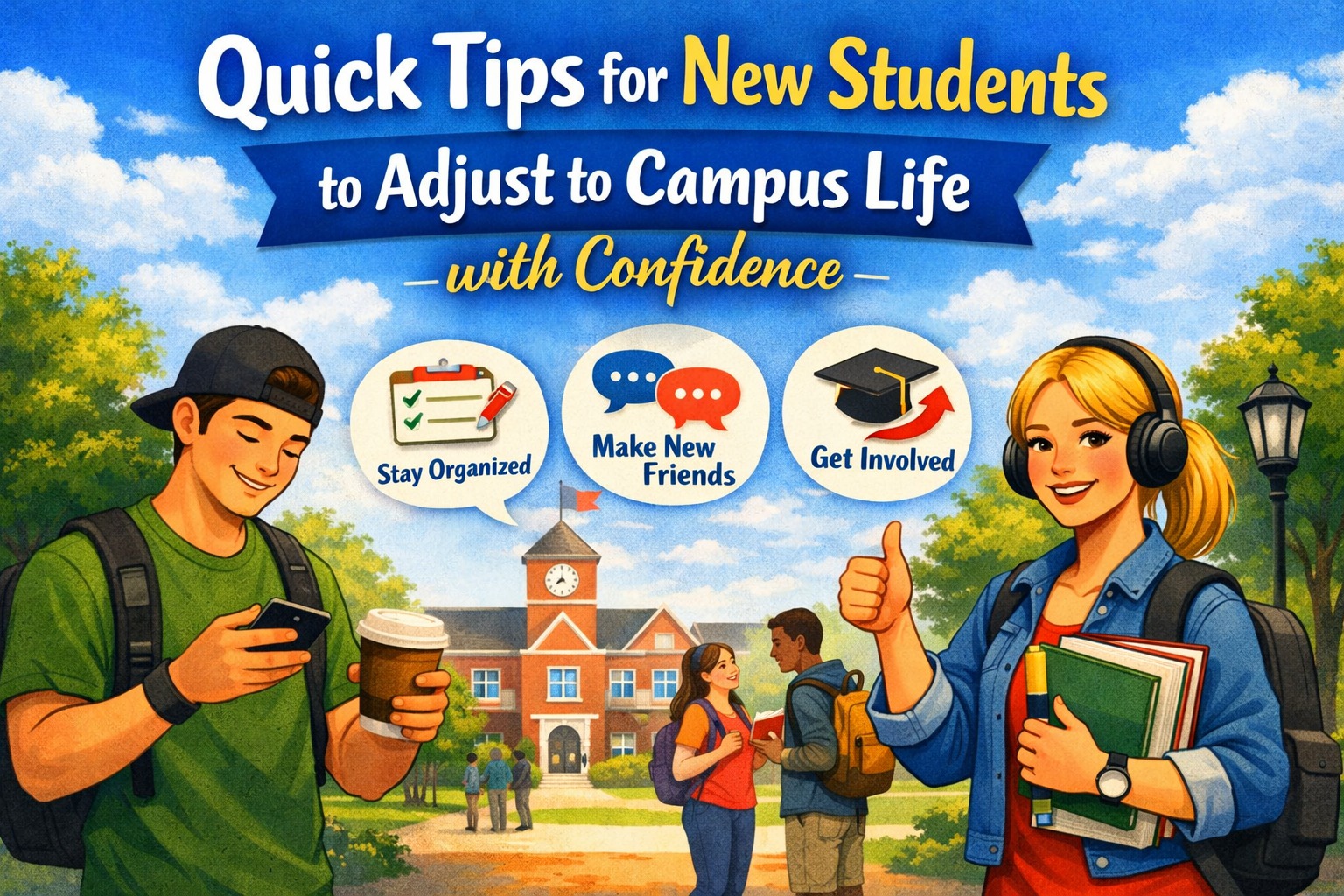
Starting college is an exciting milestone, but it can also feel overwhelming for many new students. Entering a new academic environment means facing different learning systems, meeting new people, and adjusting to greater responsibilities. Without proper preparation, the transition from high school to university can become challenging.
Understanding effective ways to adapt to the campus environment helps students build confidence and enjoy their college experience. By developing the right mindset and habits, new students can overcome difficulties more easily and achieve both academic and personal success.
UNDERSTAND THE CAMPUS CULTURE
One of the first steps in adapting to college life is understanding the campus culture. Every university has its own values, traditions, academic expectations, and social environment. Learning about these aspects helps students feel more comfortable and connected to their surroundings.
New students should attend orientation programs, campus events, and introductory activities. These opportunities provide valuable information about university rules, facilities, and student organizations. The more familiar students become with campus culture, the easier it will be to adjust and participate actively in university life.
BUILD POSITIVE RELATIONSHIPS
Creating strong social connections is essential for a successful college experience. Having supportive friends can help students manage academic stress and adapt more quickly to their new environment. Positive relationships also encourage personal growth and emotional well-being.
Students should be open to meeting people from different backgrounds and joining discussions during classes or campus activities. Participating in student clubs and organizations is an excellent way to expand social networks. Building meaningful friendships creates a sense of belonging and makes campus life more enjoyable.
DEVELOP EFFECTIVE TIME MANAGEMENT
College students often have more freedom than they had in high school. However, this freedom comes with increased responsibility. Without proper planning, students may struggle to balance coursework, extracurricular activities, and personal commitments.
Using a schedule or planner can help students organize assignments, exams, and important deadlines. Setting priorities and creating daily study routines improve productivity and reduce stress. Good time management allows students to stay focused and achieve their academic goals efficiently.
TAKE ADVANTAGE OF CAMPUS RESOURCES
Universities provide many resources designed to support student success. These may include libraries, academic advisors, counseling services, career centers, and learning support programs. Many new students are unaware of how beneficial these services can be.
Students should actively explore available resources and seek assistance whenever needed. Asking for help is a sign of responsibility, not weakness. Utilizing campus facilities effectively can improve academic performance and make the transition to university life smoother.
MAINTAIN A HEALTHY LIFESTYLE
Physical and mental health play an important role in academic success. Students who maintain healthy habits are generally more focused, energetic, and productive. Ignoring personal well-being can negatively affect both learning and overall happiness.
Regular exercise, sufficient sleep, and balanced nutrition should become part of a student's routine. Managing stress through hobbies, relaxation techniques, or social activities can also improve mental health. A healthy lifestyle helps students adapt better to the demands of college life.
STAY OPEN TO NEW EXPERIENCES
College is a time of exploration and self-development. Students will encounter new ideas, perspectives, and opportunities that may differ from their previous experiences. Being open-minded allows them to learn and grow both academically and personally.
Trying new activities, attending seminars, and participating in volunteer programs can broaden knowledge and skills. Students who embrace new experiences often develop greater confidence and adaptability. This attitude helps them navigate challenges and maximize the benefits of their university journey.
CONCLUSION
Adapting to the campus environment is an important process for every new student. By understanding campus culture, building positive relationships, practicing effective time management, utilizing campus resources, maintaining a healthy lifestyle, and staying open to new experiences, students can transition more smoothly into university life.
Successful adaptation not only supports academic achievement but also contributes to personal growth and long-term success. With the right approach, new students can transform challenges into opportunities and enjoy a rewarding college experience.
Tentang Penulis
Gusti Ayu Tita P
Penulis — Universitas STEKOM
Penulis aktif yang berfokus pada isu-isu akademik, teknologi pendidikan, dan pengembangan sumber daya manusia di lingkungan kampus.