
Effective Ways to Develop Better Emotional Control
Gusti Ayu Tita P
31 Agustus 2026
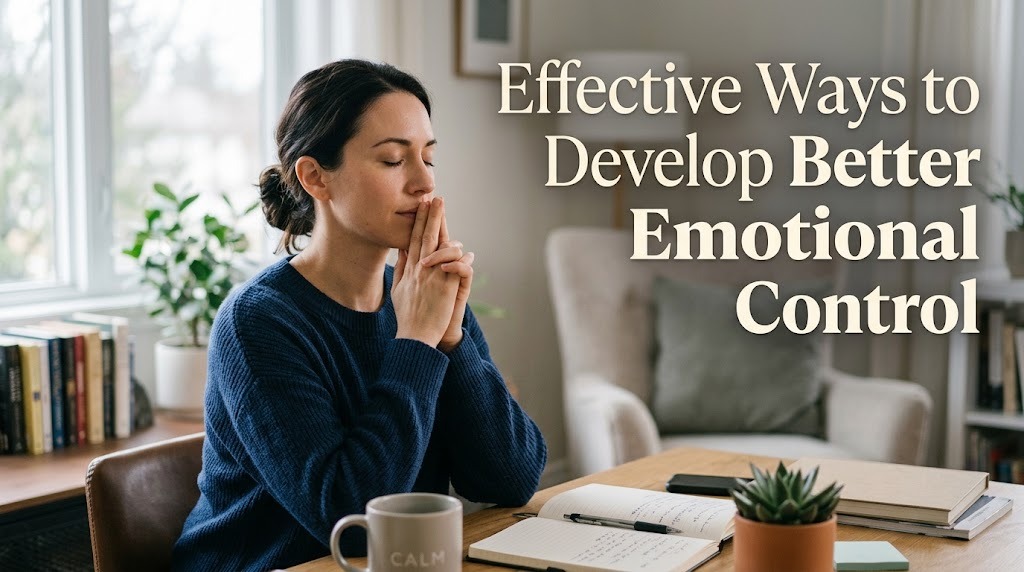
Emotional control is an important skill that helps people respond to difficult situations with greater awareness and balance. Strong emotions such as anger, disappointment, fear, and frustration are normal, but reacting to them without thinking can create problems in relationships, work, and daily life. Developing better emotional control does not mean ignoring feelings or pretending everything is fine. Instead, it means learning how to recognize emotions, understand their causes, and choose appropriate responses.
Improving this ability takes time and consistent practice. By developing healthy habits, becoming more self-aware, and learning practical techniques, anyone can gradually manage emotions more effectively. Emotional control can support better communication, clearer decisions, stronger relationships, and greater personal resilience.
UNDERSTANDING EMOTIONAL CONTROL
Emotional control is the ability to recognize and manage emotional reactions without allowing them to completely control behavior. People with good emotional control can experience strong feelings while still thinking about the consequences of their actions. This skill is especially useful when facing stress, conflict, criticism, or unexpected changes. Controlling emotions does not mean suppressing them, because healthy emotional management requires acknowledging feelings rather than hiding them. Understanding this difference is the first step toward developing a more balanced emotional response.
Emotions often provide useful information about what a person needs or values. Anger may indicate that someone feels disrespected, while sadness can signal loss or disappointment. Instead of immediately reacting, a person can pause and ask what the emotion is trying to communicate. This short pause creates an opportunity to respond thoughtfully rather than automatically. Over time, this practice can make emotional reactions more manageable.
RECOGNIZING EMOTIONAL TRIGGERS
One effective way to improve emotional control is by identifying situations that commonly trigger strong reactions. Triggers can include criticism, workplace pressure, arguments, financial concerns, social rejection, or repeated misunderstandings. Each person may have different triggers, so self-awareness is essential for understanding personal emotional patterns. Keeping a simple record of situations, feelings, and reactions can help reveal recurring patterns. Once these patterns become clear, it becomes easier to prepare healthier responses.
Recognizing triggers also makes it possible to avoid unnecessary escalation. For example, someone who knows that fatigue makes them more irritable can prioritize rest before handling an important disagreement. Similarly, a person who becomes anxious when receiving criticism can prepare to listen before responding defensively. Knowing your triggers does not eliminate difficult emotions, but it gives you greater control over how you respond to them. This awareness can gradually improve emotional stability in everyday situations.
PRACTICING THE PAUSE BEFORE REACTING
One of the simplest techniques for developing better emotional control is to create a pause between an emotional trigger and a response. When emotions become intense, taking several slow breaths can help create enough space to think clearly. A person can also count slowly, drink water, step away briefly, or remain silent while organizing their thoughts. The goal is not to avoid the situation but to prevent an immediate reaction from making it worse. Even a short pause can change the direction of a conversation or decision.
This technique becomes more effective through regular practice. Instead of waiting for a major conflict, people can practice pausing during smaller moments of frustration throughout the day. Before sending an angry message, for example, it can be helpful to reread it after calming down. Choosing a response after emotions become less intense often leads to more constructive communication. With consistency, pausing can become a natural part of emotional regulation.
DEVELOPING HEALTHY WAYS TO EXPRESS EMOTIONS
Emotional control does not require keeping every feeling inside. In fact, suppressing emotions for long periods can make emotional pressure more difficult to manage. A healthier approach is to express feelings in ways that are respectful, honest, and appropriate for the situation. Clear communication allows people to explain their emotions without attacking or blaming others. Using statements such as explaining how a situation made you feel can be more productive than making accusations.
Healthy emotional expression can take different forms depending on personal needs and circumstances. Talking with a trusted person, writing in a journal, exercising, practicing relaxation techniques, or taking time for reflection can help process difficult feelings. However, these methods should support emotional awareness rather than become ways to avoid important problems. The objective is to understand and manage emotions instead of escaping from them. Building healthy outlets can make emotional challenges easier to handle over time.
BUILDING HABITS THAT SUPPORT EMOTIONAL STABILITY
Daily habits can have a significant influence on emotional stability. Adequate sleep, regular physical activity, balanced meals, meaningful social connections, and sufficient recovery time can help people handle everyday stress more effectively. When the body and mind are consistently exhausted, emotional reactions may become stronger and harder to manage. A healthy routine can create a stronger foundation for emotional regulation. Therefore, emotional control should not be viewed only as a mental skill but also as part of overall daily well-being.
It is also useful to create realistic routines instead of attempting to change everything at once. A person might begin by spending a few minutes each day practicing deep breathing or reflecting on emotional experiences. Over time, these small actions can become automatic habits. Consistency is generally more valuable than making dramatic changes that are difficult to maintain. By gradually strengthening supportive habits, people can become more prepared to deal with emotional challenges.
STRENGTHENING EMOTIONAL CONTROL FOR LONG TERM GROWTH
Better emotional control can contribute to personal growth because it helps people learn from experiences instead of being overwhelmed by them. When individuals can manage emotional reactions, they may communicate more effectively, solve problems more calmly, and make decisions with greater awareness. Emotional control can also strengthen resilience, allowing people to recover from setbacks without losing sight of their goals. This does not mean that emotionally controlled people never feel angry, anxious, or disappointed. Rather, they learn how to experience these emotions without allowing them to determine every action.
Developing emotional control is a gradual process that requires patience and self-reflection. Mistakes and emotional reactions will still happen, especially during stressful situations. What matters is recognizing those moments and using them as opportunities to improve. Small improvements in awareness, communication, and self-regulation can create meaningful changes over time. With continued practice, emotional control can become a valuable skill for relationships, professional life, decision-making, and personal development.
CONCLUSION
Developing better emotional control is an ongoing process that begins with understanding emotions and recognizing personal triggers. Pausing before reacting, expressing feelings in healthy ways, and maintaining supportive daily habits can make emotional responses more balanced. The goal is not to eliminate difficult emotions but to manage them with greater awareness and responsibility. With consistent practice, emotional control can improve communication, decision-making, resilience, and overall quality of life. Ultimately, learning to manage emotions is an important part of building a calmer, healthier, and more mature approach to everyday challenges.
Tentang Penulis
Gusti Ayu Tita P
Penulis — Universitas STEKOM
Penulis aktif yang berfokus pada isu-isu akademik, teknologi pendidikan, dan pengembangan sumber daya manusia di lingkungan kampus.















