Effective Ways To Increase Student Interest In Scouting Programs
Gusti Ayu Tita P
31 Juli 2026
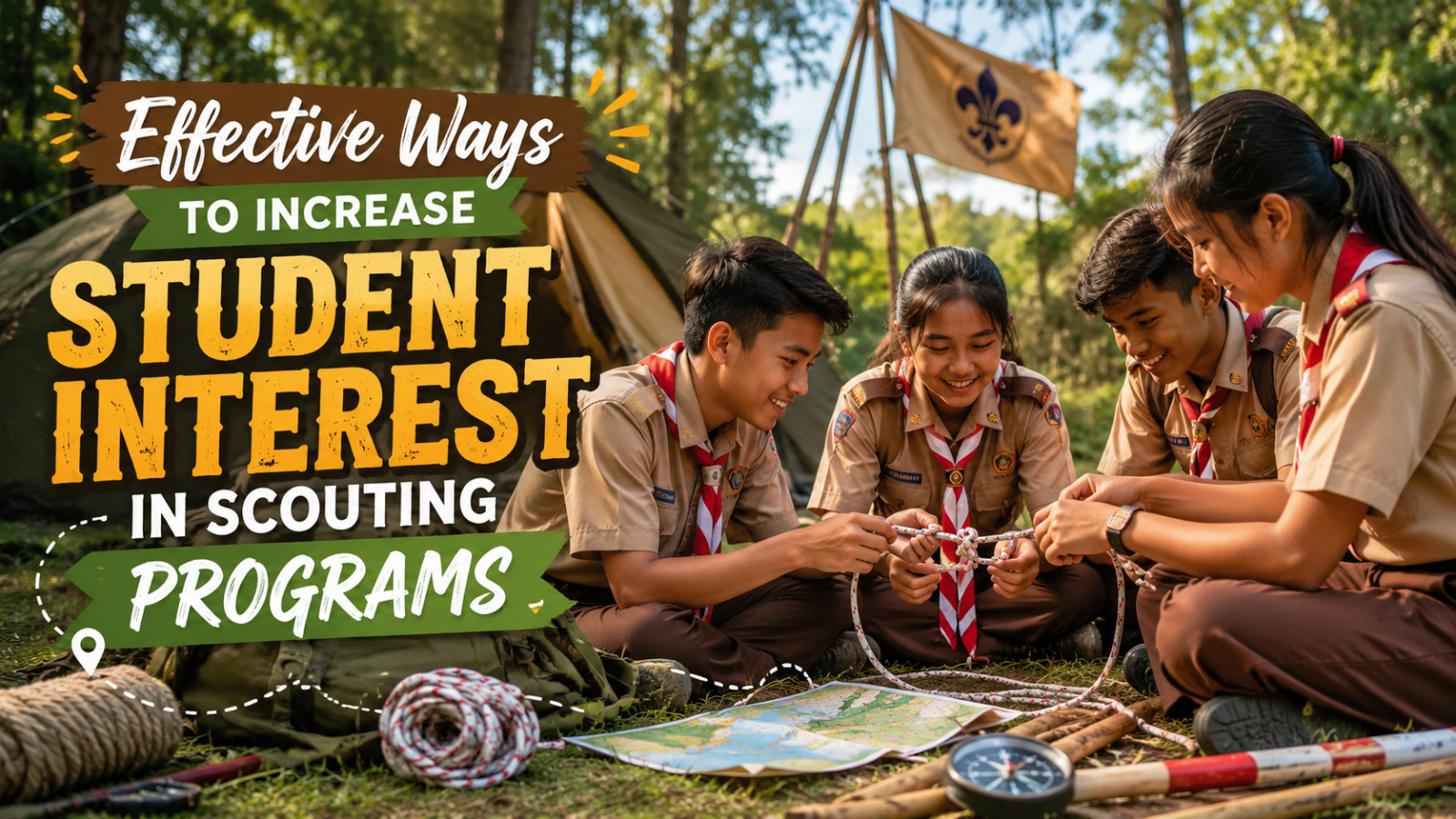
Scouting programs play an important role in helping students develop leadership, teamwork, discipline, and problem-solving skills. Although many schools continue to organize scouting activities, not every student feels excited to participate. Some students see scouting as an ordinary extracurricular activity instead of an opportunity to learn valuable life skills. This is why schools, teachers, and scout leaders need creative strategies to make scouting more attractive. By providing engaging experiences, students are more likely to participate actively and enjoy every activity.
WHY STUDENT INTEREST IN SCOUTING IS IMPORTANT
Student interest is the foundation of a successful scouting program. When students genuinely enjoy scouting activities, they become more motivated to attend meetings, complete challenges, and contribute to group projects. This enthusiasm also encourages them to build stronger friendships and improve their communication skills. As a result, scouting becomes a meaningful part of their personal growth instead of just another school requirement.
In addition, students who are interested in scouting often develop confidence, responsibility, and independence. They learn to solve real-life problems while working together with others. These experiences help prepare them for academic success and future careers. Therefore, increasing student interest should be one of the main priorities of every scouting program.
CREATE FUN AND INTERACTIVE ACTIVITIES
Students are naturally attracted to activities that are exciting and interactive. Scout leaders should organize games, outdoor adventures, treasure hunts, camping experiences, and survival challenges that encourage active participation. These activities make learning enjoyable while teaching valuable practical skills. Students are more likely to remember lessons when they experience them directly.
Interactive activities also reduce boredom and increase engagement. Instead of relying only on classroom discussions, leaders can include competitions, role-playing exercises, and creative problem-solving missions. Such experiences encourage teamwork while making every scouting session memorable. A fun environment keeps students looking forward to the next meeting.
ENCOURAGE LEADERSHIP AND TEAMWORK
Giving students leadership opportunities increases their sense of responsibility and belonging. Scout leaders can assign students to lead small groups, organize activities, or manage simple projects. These responsibilities help students build leadership skills and improve their decision-making abilities. Students also become more confident when their ideas are respected.
Teamwork is equally important because scouting is built on cooperation. Group challenges teach students to communicate effectively, solve conflicts, and support one another. Working together toward shared goals creates stronger friendships and improves trust among members. This positive atmosphere motivates students to stay involved in scouting programs.
USE MODERN LEARNING METHODS
Today's students enjoy learning through technology and creative experiences. Scout leaders can use educational videos, digital presentations, online quizzes, or mobile applications to explain scouting concepts. Combining traditional scouting values with modern learning tools makes activities more relevant to younger generations. Technology can support learning without replacing outdoor experiences.
Creative teaching methods also keep students interested for longer periods. Leaders may use storytelling, practical demonstrations, and project-based learning to make lessons easier to understand. Students appreciate activities that challenge both their minds and practical abilities. Modern approaches make scouting more engaging and meaningful.
RECOGNIZE STUDENT ACHIEVEMENTS
Recognition motivates students to continue improving. Schools and scout leaders should celebrate achievements through certificates, badges, awards, or public appreciation during school events. Even small accomplishments deserve recognition because they encourage students to stay motivated. Positive reinforcement builds confidence and strengthens commitment.
Achievement recognition also inspires other students to participate more actively. When students see their friends being appreciated for hard work and dedication, they become motivated to reach similar goals. This creates a healthy and supportive learning environment. Recognition should focus not only on winning but also on effort, improvement, and teamwork.
INVOLVE PARENTS AND THE SCHOOL COMMUNITY
Parents have a significant influence on students' attitudes toward extracurricular activities. Schools should communicate with parents about the benefits of scouting and encourage them to support their children's participation. Family involvement increases student confidence and creates a stronger connection between home and school. Students are more enthusiastic when they receive encouragement from their families.
The school community can also contribute by providing facilities, organizing special events, and inviting experienced scouts to share their knowledge. Community support makes scouting activities more diverse and inspiring. Strong collaboration among schools, families, and local communities helps create a sustainable scouting culture. This cooperation benefits every student involved.
CONCLUSION
Increasing student interest in scouting programs requires creative planning, engaging activities, and strong collaboration between schools, parents, and scout leaders. Fun outdoor experiences, leadership opportunities, modern learning methods, and recognition of achievements make scouting more enjoyable and meaningful. When students feel motivated and appreciated, they participate more actively and develop valuable life skills that extend beyond the classroom. A well-designed scouting program not only builds responsible individuals but also prepares students to become confident leaders in the future.
Tentang Penulis
Gusti Ayu Tita P
Penulis — Universitas STEKOM
Penulis aktif yang berfokus pada isu-isu akademik, teknologi pendidikan, dan pengembangan sumber daya manusia di lingkungan kampus.