Electronic Stamp Duty and the Future of Paperless Document Management
Gusti Ayu Tita P
22 Agustus 2026
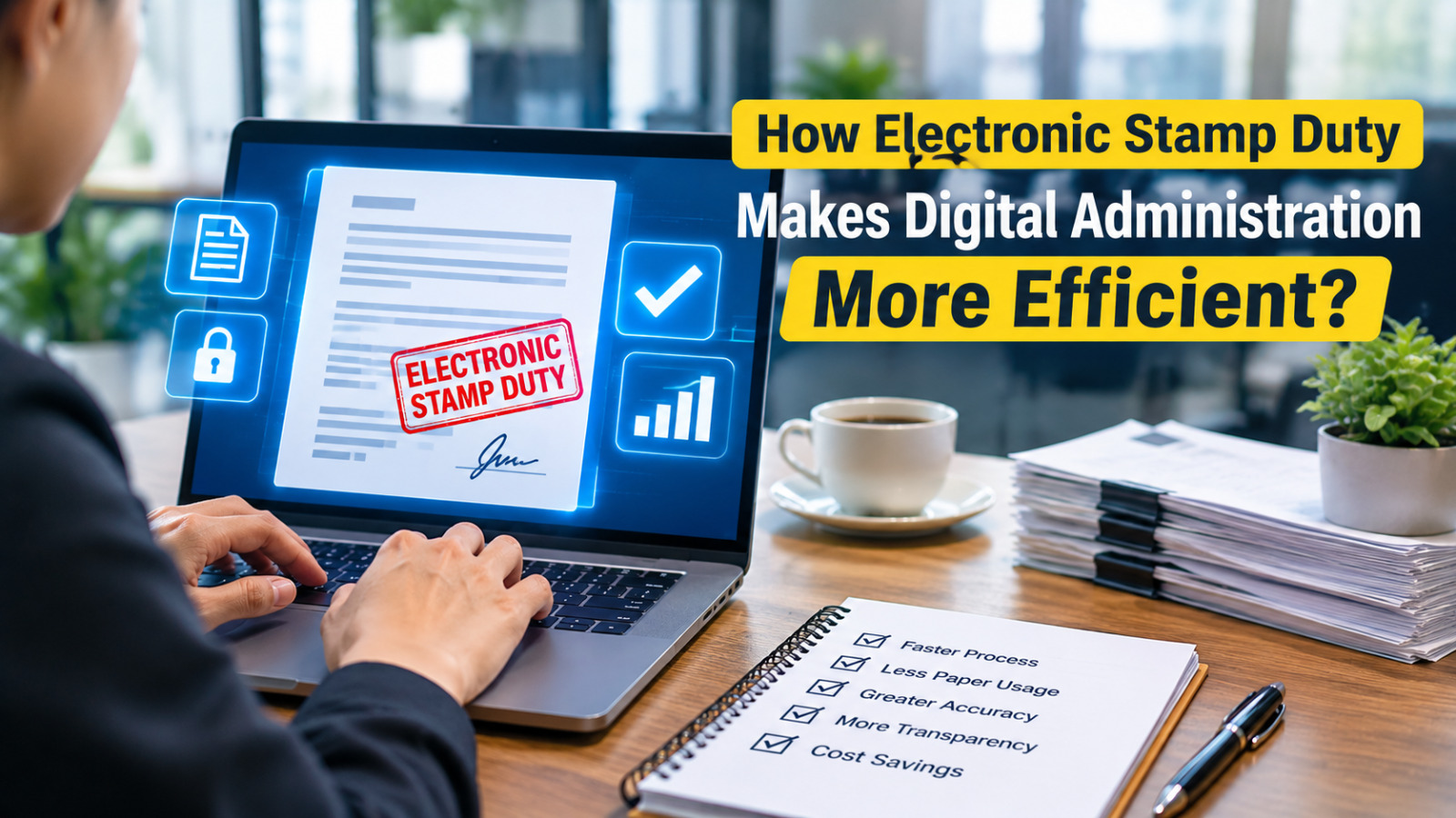
Digital transformation is changing how businesses create, exchange, and store documents. Contracts, agreements, invoices, and other administrative files are increasingly handled through electronic systems instead of printed paper. In this environment, electronic stamp duty can support the legal and administrative requirements associated with certain taxable documents while keeping the process digital. It can also reduce the need to print, physically sign, and store large volumes of paperwork. As more organizations adopt paperless workflows, understanding the role of electronic stamp duty becomes increasingly important.
THE RISE OF PAPERLESS DOCUMENT MANAGEMENT
Paperless document management refers to the use of digital files and electronic workflows to create, process, distribute, and store business documents. Instead of printing every document, organizations can manage information through document management platforms, cloud storage, and electronic approval systems. This approach can make documents easier to access and organize while reducing dependence on physical storage. It also supports faster communication between employees, customers, suppliers, and business partners. For organizations that handle a large number of documents, moving toward paperless administration can improve overall workflow efficiency.
The shift to digital administration also changes how organizations manage documents that may require stamp duty. When an eligible document exists electronically, an electronic stamp duty mechanism can help businesses fulfill applicable tax obligations without returning to a fully paper-based process. This makes the taxation process more compatible with modern digital workflows. However, organizations still need to understand the applicable regulations and requirements before applying electronic stamp duty to a document.
WHAT IS ELECTRONIC STAMP DUTY?
Electronic stamp duty is a digital form of stamp duty applied to eligible electronic documents according to the rules of the relevant jurisdiction. In Indonesia, electronic stamp duty is commonly known as e-Meterai and is designed for electronic documents that meet the applicable stamp duty requirements. Its purpose is not simply to place a visual mark on a digital file, but to provide evidence that the required stamp duty has been paid. Therefore, businesses should use official and authorized channels when obtaining electronic stamp duty.
Electronic stamp duty is particularly relevant as contracts and agreements increasingly move online. Documents can be prepared, reviewed, approved, and stored electronically without necessarily being printed. This can help organizations maintain a more consistent digital workflow. Nevertheless, stamp duty should not be confused with an electronic signature, because the two serve different purposes and may have different legal functions.
HOW ELECTRONIC STAMP DUTY SUPPORTS PAPERLESS ADMINISTRATION
One of the main advantages of electronic stamp duty is its compatibility with paperless administration. Businesses can process eligible electronic documents without printing them solely for the purpose of attaching a physical stamp. This can reduce paper consumption and the administrative work associated with physical document handling. Digital processing can also make it easier for authorized personnel to manage documents from different locations. As a result, electronic stamp duty can become part of a broader digital document workflow.
Another benefit is improved document organization. Electronic files can be stored in structured digital systems, making them easier to retrieve when properly managed. Businesses can also integrate document processing with other digital activities such as electronic approvals, contract management, and secure storage. However, organizations should still maintain appropriate access controls, document records, and security procedures to protect sensitive information.
ELECTRONIC STAMP DUTY AND BUSINESS EFFICIENCY
For businesses that regularly process contracts and other taxable documents, electronic stamp duty can contribute to a more efficient administrative process. Physical documents may require printing, physical delivery, manual handling, and additional storage space. Digital workflows can reduce some of these activities and allow documents to move between relevant parties more quickly. This can be particularly useful for organizations that work with customers, vendors, or employees in different locations.
Electronic processing can also support better document tracking and management. When combined with appropriate digital systems, businesses can establish clearer workflows for preparing, reviewing, approving, and storing documents. This does not automatically guarantee that every process will be efficient, because the results depend on the organization's technology and procedures. Businesses should therefore establish clear internal policies for identifying documents that require stamp duty and applying it correctly.
SECURITY AND COMPLIANCE IN DIGITAL DOCUMENT MANAGEMENT
The transition to electronic documents creates opportunities as well as responsibilities. Businesses must protect digital files against unauthorized access, accidental modification, loss, and other security risks. Electronic stamp duty should therefore be handled through trusted and authorized systems and incorporated into a secure document management process. Organizations should also ensure that employees understand which documents require stamp duty and how the process should be completed.
Compliance is equally important because stamp duty requirements can vary depending on the applicable laws and the nature of a document. Businesses should not assume that every electronic document requires electronic stamp duty. They should check the current regulations, document classification, applicable rates, and procedures before completing the process. Proper compliance can help reduce administrative errors and support the reliable management of digital business records.
THE FUTURE OF PAPERLESS DOCUMENT MANAGEMENT
The future of document management is likely to become increasingly digital as businesses adopt electronic contracts, cloud platforms, automated workflows, and digital approval systems. In this environment, electronic stamp duty can play an important supporting role for documents that are subject to stamp duty requirements. Its value comes from allowing applicable tax obligations to fit naturally into electronic document processes. This can help organizations reduce unnecessary paper-based activities while maintaining appropriate administrative compliance.
However, successful paperless document management requires more than simply replacing physical stamps with electronic ones. Businesses need reliable technology, clear procedures, employee awareness, data security, and regular compliance reviews. Organizations should also monitor changes in applicable regulations because digital taxation requirements can evolve over time. With the right approach, electronic stamp duty can become part of a more efficient, secure, and sustainable digital administration system.
CONCLUSION
Electronic stamp duty is becoming increasingly relevant as businesses move from traditional paperwork toward digital document management. It can support the processing of eligible electronic documents while reducing the need for physical stamp duty procedures. When combined with secure storage, electronic approvals, and proper document controls, it can contribute to a more efficient paperless workflow. Nevertheless, businesses must understand the applicable regulations and use authorized procedures to ensure compliance. Ultimately, electronic stamp duty can support the future of paperless document management by connecting digital convenience with responsible administrative practices.
Tentang Penulis
Gusti Ayu Tita P
Penulis — Universitas STEKOM
Penulis aktif yang berfokus pada isu-isu akademik, teknologi pendidikan, dan pengembangan sumber daya manusia di lingkungan kampus.