Electronic Stamp Duty for Digital Contracts and Business Agreements
Gusti Ayu Tita P
22 Agustus 2026
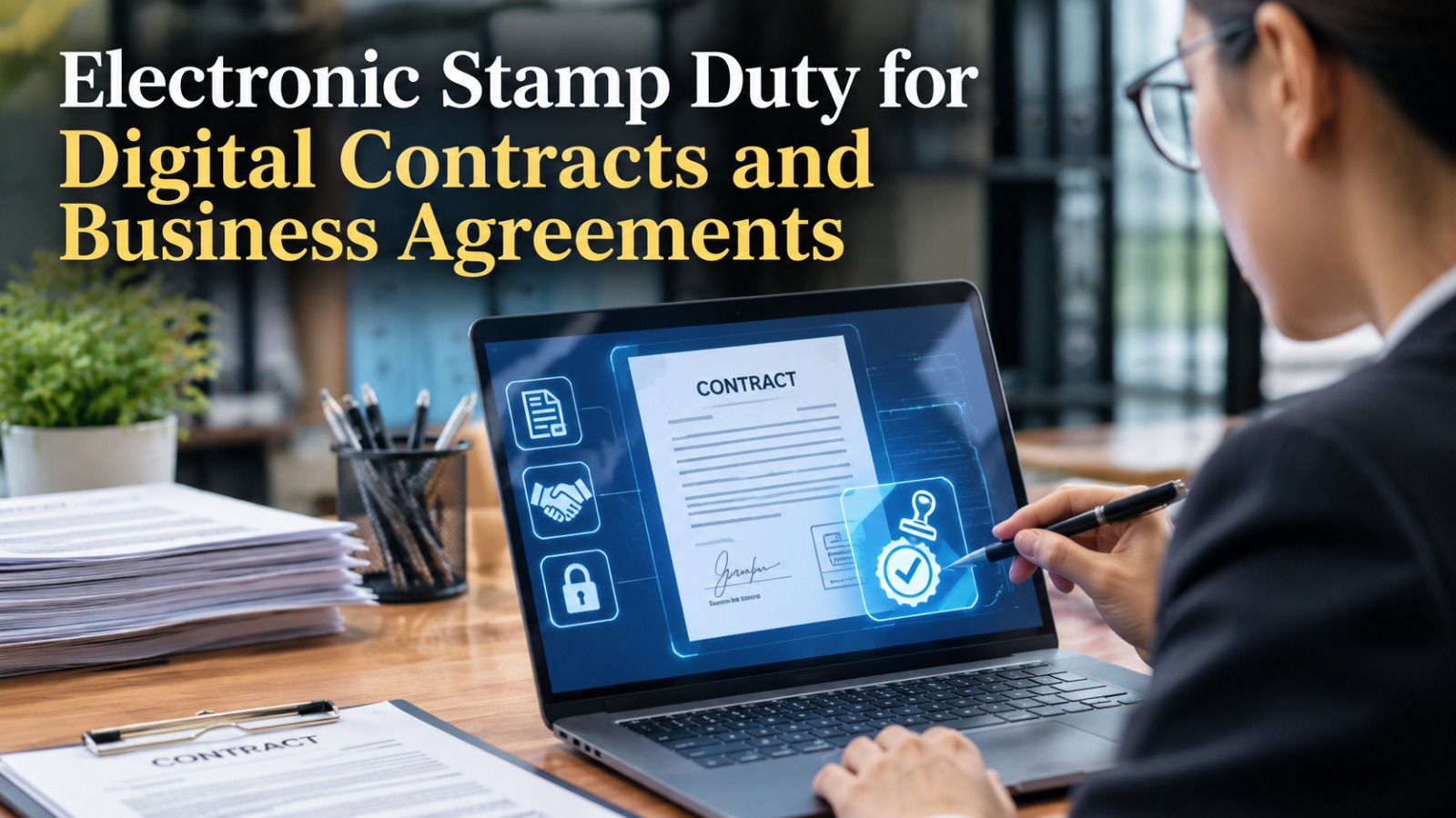
Digital transformation has changed the way businesses create, sign, store, and exchange documents. Digital contracts and business agreements can now be completed without printing large amounts of paper or meeting in person. However, certain electronic documents may still be subject to stamp duty requirements. In Indonesia, electronic documents are included within the scope of documents that can be subject to Bea Meterai under the applicable regulations.
Electronic stamp duty, commonly known as e-Meterai, provides a digital method for fulfilling stamp duty obligations on eligible electronic documents. Its use can make document administration more practical while supporting businesses that increasingly rely on online transactions. Understanding how electronic stamp duty works is important before applying it to contracts, agreements, and other business documents.
UNDERSTANDING ELECTRONIC STAMP DUTY
Electronic stamp duty is a form of stamp used electronically to pay Bea Meterai on eligible electronic documents. In Indonesia, the current general stamp duty rate is Rp10,000 per document, subject to the provisions governing which documents are taxable.
The introduction of electronic stamp duty supports the growing use of digital documents in business activities. Instead of attaching a physical stamp to printed paperwork, businesses can fulfill the applicable stamp duty requirement through an electronic system. This approach is particularly useful for companies that regularly prepare contracts, statements, agreements, and other documents in digital form.
It is important to understand that e-Meterai is not the same as an electronic signature. Stamp duty is a tax on documents, while an electronic signature is used to identify or authenticate a signer. Therefore, businesses should consider both requirements separately when preparing digital agreements.
ELECTRONIC STAMP DUTY FOR DIGITAL CONTRACTS
Digital contracts are increasingly used for employment arrangements, service agreements, vendor relationships, business partnerships, and other commercial activities. When a contract falls within the category of documents subject to Bea Meterai, the applicable stamp duty obligation must be fulfilled. Indonesian tax regulations include agreements and similar documents concerning civil matters among documents that can be subject to Bea Meterai.
Using electronic stamp duty can help businesses manage these contracts without returning to a fully paper-based process. A contract can be prepared electronically, reviewed by the parties, and processed through the appropriate digital workflow. This can reduce printing, scanning, physical delivery, and manual filing.
However, businesses should determine whether a particular document is actually subject to Bea Meterai rather than automatically applying e-Meterai to every electronic file. The applicable rules depend on the type and purpose of the document. Careful classification helps companies avoid unnecessary administrative costs and mistakes.
HOW E-METERAI SUPPORTS BUSINESS AGREEMENTS
Business agreements often involve several parties, multiple versions, and different approval stages. Electronic stamp duty can fit into a digital workflow by allowing eligible documents to be processed electronically. This is especially helpful for companies that handle a high volume of agreements and need faster document administration.
An electronic workflow can also make document handling more organized. Employees can prepare the final document, apply the appropriate electronic stamp duty through an authorized system, and retain the completed file digitally. Centralized digital storage can make it easier for authorized employees to retrieve agreements when they are needed.
According to information published by the Directorate General of Taxes, electronic stamp duty is intended to provide convenience and certainty in paying stamp duty on electronic documents. Businesses can therefore integrate e-Meterai into their existing document management procedures while still following the applicable tax requirements.
BENEFITS FOR MODERN BUSINESSES
One of the main advantages of electronic stamp duty is administrative efficiency. Businesses no longer need to depend entirely on physical documents when completing eligible digital transactions. This can reduce the time and resources required for printing, physical handling, and document distribution.
Electronic document processing can also support paperless administration. Companies that manage hundreds or thousands of agreements may benefit from reducing physical storage requirements and simplifying document retrieval. Digital workflows can make collaboration easier when employees or business partners are working from different locations.
Another benefit is consistency in document management. Companies can establish standard procedures for identifying documents that require stamp duty and processing them through approved systems. Nevertheless, electronic stamp duty should not be viewed as a replacement for all document security measures because access controls, electronic signatures where appropriate, backups, and proper record management remain important.
IMPORTANT STEPS BEFORE APPLYING E-METERAI
Before applying electronic stamp duty, businesses should first check whether the document is an object of Bea Meterai under the applicable regulations. Documents such as certain agreements, notarial deeds, PPAT deeds, securities, and other specified documents may fall within the taxable categories. The timing of when the duty becomes payable can also vary depending on the type of document.
The business should then ensure that the final version of the document is ready. Changes made after the stamp has been applied may create administrative problems, so it is better to complete the review and approval process before final processing. Businesses should also use an authorized electronic stamp duty system and follow the applicable procedures.
For additional protection, companies should maintain clear records of the completed document and its related transaction. Access to contracts should be limited to authorized personnel, while important files should be backed up appropriately. These practices help businesses combine tax compliance, document security, and efficient administration.
CONCLUSION
Electronic stamp duty has become increasingly relevant as businesses move contracts and agreements into digital environments. It provides a practical way to fulfill applicable stamp duty obligations for eligible electronic documents while supporting paperless business administration. Digital contracts can be processed more efficiently when electronic stamp duty is incorporated into a well-organized document workflow.
However, businesses should not simply apply e-Meterai without checking the relevant requirements. Understanding which documents are subject to Bea Meterai, using an appropriate electronic system, and maintaining proper document security are essential steps. With the right procedures, electronic stamp duty can support more efficient and organized digital contract management while helping businesses meet their applicable tax obligation.
Tentang Penulis
Gusti Ayu Tita P
Penulis — Universitas STEKOM
Penulis aktif yang berfokus pada isu-isu akademik, teknologi pendidikan, dan pengembangan sumber daya manusia di lingkungan kampus.