Why Does Every Friendship Need Personal Space?
Gusti Ayu Tita P
18 September 2026
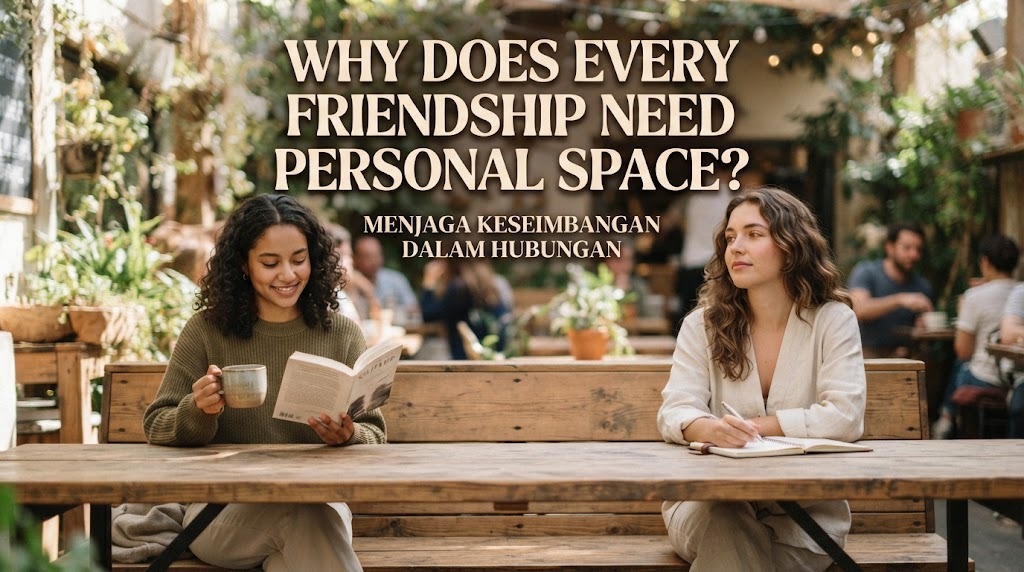
Personal space is an important part of a healthy friendship because people need time and freedom to manage their own lives. Being close to a friend does not mean spending every moment together or sharing every personal detail. Everyone has different responsibilities, interests, communication habits, and emotional needs. Without enough personal space, even a strong friendship can become tiring or stressful. Giving each other room can help friends stay connected while maintaining their individual identities.
IT SUPPORTS PERSONAL INDEPENDENCE
Personal space allows friends to maintain their own interests, responsibilities, and daily routines. Someone may need time for work, education, family, hobbies, exercise, or simple rest. These activities remain important even when a person has a close friendship. Having independent routines helps people develop their own identity rather than depending entirely on another person. This can make the friendship more balanced.
Independence does not mean that friends are becoming distant. People can care about each other while still having separate lives. Friends can spend meaningful time together and then return to their individual activities. This balance allows both people to grow without feeling restricted. A strong friendship can provide connection without requiring constant togetherness.
IT REDUCES EMOTIONAL PRESSURE
Too much closeness can sometimes create emotional pressure when one person expects the other to always be available. Friends may naturally provide comfort during difficult moments, but nobody has unlimited emotional energy. A person may need time to process their own feelings before listening to someone else's problems. Personal space creates an opportunity to rest and recover emotionally. This can make future interactions more positive.
Healthy emotional boundaries also prevent friendships from becoming overly dependent. Supporting a friend does not mean being responsible for every problem they face. Friends can listen, encourage, and offer help while still maintaining reasonable limits. If someone needs more extensive support, other trusted people or appropriate professional resources may also be useful. This creates a healthier distribution of emotional support.
IT PROTECTS PERSONAL PRIVACY
Personal space also includes privacy and control over personal information. Friends may share many experiences, but they do not automatically need access to every message, account, relationship, or private decision. Respecting privacy helps each person decide what they want to share and when they want to share it. This can reduce feelings of pressure or unwanted involvement. Privacy is especially important in friendships that involve frequent digital communication.
Friends should ask before accessing or sharing personal information. Being close does not give someone unlimited access to another person's private life. A friend may choose not to discuss a particular subject, and that decision should generally be respected. Giving people control over their information can strengthen trust. Privacy and closeness can exist together.
IT PREVENTS FRIENDSHIP FATIGUE
Spending too much time together without enough individual space can sometimes lead to friendship fatigue. Constant messages, meetings, calls, or social activities may become tiring when there is no opportunity to recharge. Even people who enjoy each other's company need periods of quiet and independence. Taking breaks can prevent ordinary interactions from feeling like obligations. Personal space can therefore help friendships remain enjoyable.
This does not mean friends should avoid each other whenever possible. Instead, they can create a healthy balance between together time and alone time. One person may need more space than the other, and that difference should not automatically be treated as rejection. Discussing schedules and preferences can make the arrangement easier. A balanced friendship gives both people room to recharge.
IT ALLOWS FRIENDS TO MAINTAIN OTHER RELATIONSHIPS
Personal space also gives people opportunities to maintain family connections, professional relationships, and other friendships. No single friendship needs to become the center of a person's entire social life. Having different relationships can provide varied experiences, perspectives, and forms of support. This can actually reduce pressure on one friendship. A broader social life can contribute to healthier relationships overall.
Friends should not feel threatened simply because someone spends time with other people. Healthy friendships allow individuals to have multiple meaningful relationships. Spending time with family or other friends does not automatically reduce the value of an existing friendship. Mutual trust makes it easier to accept these differences. Respecting social independence can prevent unnecessary jealousy and conflict.
IT STRENGTHENS THE FRIENDSHIP
Giving each other personal space can ultimately help create greater trust and appreciation. When friends are not constantly together, they have opportunities to experience new things and bring those experiences back into the friendship. Time apart can also make shared activities feel more meaningful. Both people can return to the friendship with new stories, ideas, and experiences. This can keep the relationship interesting and dynamic.
Personal space also encourages friends to communicate their needs honestly. A friendship becomes stronger when both people feel free to express their limits. Friends can discuss how often they want to communicate, when they need alone time, and what forms of contact feel comfortable. These conversations can prevent misunderstandings and resentment. Over time, respecting boundaries can create a more stable and supportive friendship.
CONCLUSION
Every friendship needs personal space because it supports independence, reduces emotional pressure, protects privacy, prevents friendship fatigue, maintains other relationships, and strengthens trust. Personal space does not mean that friends care less about each other or want to end the relationship. Instead, it allows both people to maintain their individual lives while continuing to share meaningful experiences. The amount of space needed can differ from person to person, so open communication is important. By practicing healthy boundaries and mutual respect, friends can maintain closeness without sacrificing personal freedom and comfort.
Tentang Penulis
Gusti Ayu Tita P
Penulis — Universitas STEKOM
Penulis aktif yang berfokus pada isu-isu akademik, teknologi pendidikan, dan pengembangan sumber daya manusia di lingkungan kampus.