Environmental Impacts of Nuclear Power Plants You Should Know
Gusti Ayu Tita P
1 September 2026
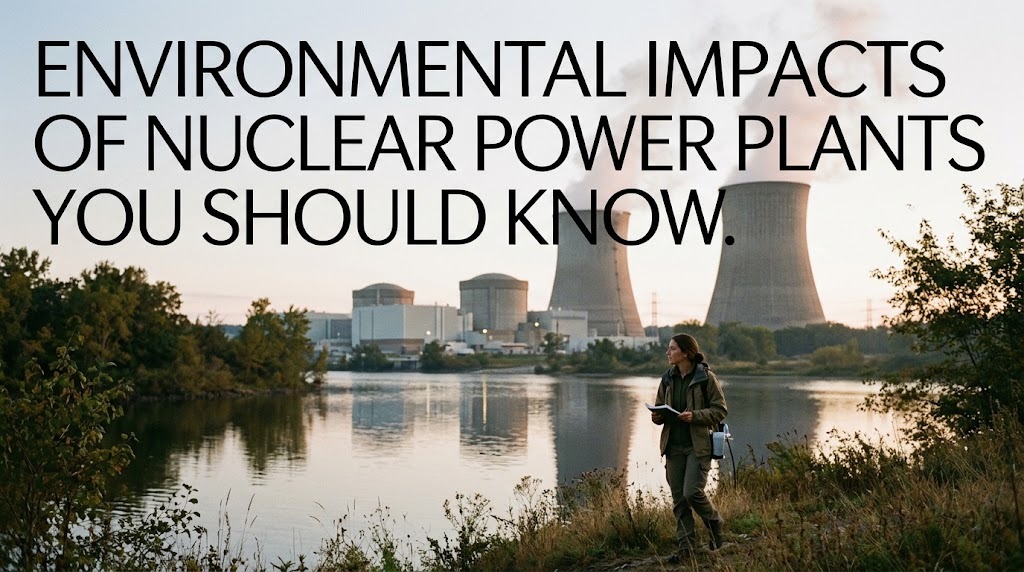
Nuclear power plants are often considered an important option for producing electricity with relatively low greenhouse gas emissions. Unlike fossil fuel power plants, nuclear reactors do not burn coal, oil, or natural gas during normal electricity generation. However, nuclear power still has environmental impacts that should be understood before evaluating its role in the energy system. These impacts can occur throughout the entire life cycle of a nuclear power plant, from uranium mining and construction to operation, waste management, and decommissioning.
The environmental effects of nuclear energy are therefore more complex than simply measuring carbon emissions. Nuclear power can help reduce air pollution and greenhouse gas emissions, but it also requires careful management of radioactive materials, water resources, land, and industrial waste. Understanding both its benefits and challenges provides a more balanced view of nuclear energy.
LOW GREENHOUSE GAS EMISSIONS
One of the most significant environmental benefits of nuclear power is its relatively low greenhouse gas emissions. During normal electricity generation, nuclear reactors do not directly produce carbon dioxide through fuel combustion. This makes nuclear power different from coal and natural gas plants, which release significant amounts of greenhouse gases when operating. As a result, nuclear energy can contribute to efforts to reduce emissions from the electricity sector.
However, nuclear power is not completely emission free when its entire life cycle is considered. Activities such as uranium mining, fuel processing, plant construction, transportation, and decommissioning require energy and materials. These processes can generate greenhouse gas emissions depending on the technologies and energy sources involved. Even so, nuclear power generally has a relatively low life cycle carbon footprint compared with fossil fuel based electricity.
IMPACTS OF URANIUM MINING
Uranium is the primary fuel used by most commercial nuclear reactors, and obtaining it requires mining and processing. Mining activities can disturb land, affect local habitats, and generate waste materials. Water may also be needed during extraction and processing, creating potential pressure on local water resources. The environmental impact depends on the mining method, site characteristics, and quality of environmental management.
After mining activities end, affected areas need to be managed and rehabilitated. Monitoring may be required to assess soil, water, and other environmental conditions around former mining sites. Proper waste management is also necessary to prevent contaminants from spreading into surrounding ecosystems. Strong environmental regulations can help reduce the negative effects associated with uranium production.
WATER USE AND THERMAL IMPACTS
Nuclear power plants require cooling systems because nuclear fission produces substantial amounts of heat. Many facilities use water from rivers, lakes, or coastal areas for cooling, although the amount and source depend on the plant design. Water withdrawal can affect aquatic organisms if it is not properly controlled. Therefore, cooling systems must be designed with local environmental conditions in mind.
Some cooling systems discharge heated water back into the environment. If thermal discharge is not managed properly, increased water temperatures can affect aquatic ecosystems and the behavior of certain organisms. Cooling towers and other technologies can reduce or manage some of these impacts, although they may have different water and land requirements. Continuous environmental monitoring is important to ensure that cooling operations remain within permitted limits.
RADIOACTIVE WASTE MANAGEMENT
Radioactive waste is one of the most important environmental issues associated with nuclear power. Nuclear plants generate radioactive materials during operation, maintenance, and fuel handling. Some waste remains hazardous for long periods and therefore requires secure containment and carefully planned management. The objective is to prevent radioactive materials from entering the environment and exposing people or ecosystems to harmful radiation.
Spent nuclear fuel also requires special handling after it leaves the reactor. It can be stored in specially designed facilities while longer term management strategies are implemented. Countries with nuclear programs need clear policies for the treatment, storage, transportation, and disposal of radioactive materials. Effective regulation and long term monitoring are essential parts of responsible nuclear waste management.
RADIATION AND ENVIRONMENTAL SAFETY
Under normal operating conditions, nuclear power plants are designed to keep radioactive releases within regulated limits. Monitoring systems are used to measure radiation and environmental conditions around nuclear facilities. Multiple safety barriers are also used to prevent radioactive materials from being released into the surrounding environment. These measures are intended to keep exposure to workers, communities, and ecosystems as low as reasonably achievable.
A serious nuclear accident can create a different environmental situation. A large uncontrolled release of radioactive material can contaminate land, water, vegetation, and wildlife. Depending on the scale and circumstances, affected areas may require restrictions, monitoring, cleanup, or long term management. This is why emergency preparedness and strong nuclear safety systems are essential components of environmental protection.
LAND USE AND BIODIVERSITY
Constructing a nuclear power plant requires land for the reactor buildings, cooling infrastructure, electricity systems, roads, and other facilities. Construction can change local habitats and potentially disturb ecosystems. The size and severity of these impacts depend on the location and characteristics of the site. Selecting an appropriate location can reduce disruption to sensitive ecosystems and important habitats.
Nuclear facilities can also affect biodiversity through their interaction with nearby water systems. Water intake structures may affect aquatic organisms, while thermal discharge can change local water conditions. Environmental assessments are therefore important before construction begins. Monitoring after the plant becomes operational can help identify and manage unexpected ecological changes.
IMPACTS DURING DECOMMISSIONING
Environmental considerations continue even after a nuclear power plant stops producing electricity. The facility eventually needs to be decommissioned, which can involve dismantling equipment, removing contaminated materials, and managing radioactive waste. Some materials may require specialized handling because of radioactive contamination. The process can take many years depending on the plant design, regulatory requirements, and chosen decommissioning strategy.
Decommissioning should be considered from the early planning stages of a nuclear project. Operators need appropriate financial resources, technical expertise, waste management systems, and regulatory oversight. Environmental monitoring may continue throughout the process to ensure that contamination risks remain controlled. Proper planning can reduce the environmental risks associated with the final stage of a plant's life cycle.
NUCLEAR POWER AND CLIMATE CHANGE
Nuclear power can contribute to climate change mitigation by providing large amounts of electricity with relatively low life cycle greenhouse gas emissions. It can help replace some fossil fuel generation and provide stable electricity alongside variable renewable sources. This potential is particularly relevant for countries seeking to reduce emissions while maintaining reliable electricity supplies. However, nuclear power is only one possible component of a broader low carbon energy strategy.
A complete environmental assessment should consider more than greenhouse gas emissions. Water consumption, land use, mining impacts, radioactive waste, biodiversity, and accident risks also need to be evaluated. Comparing nuclear power with other energy technologies requires consideration of their entire life cycles. This approach allows policymakers and communities to make better informed decisions about future energy systems.
IMPORTANCE OF ENVIRONMENTAL MONITORING
Environmental monitoring plays an important role throughout the life of a nuclear power plant. Operators and regulators can monitor radiation, water quality, temperature, air conditions, and other environmental indicators. Regular monitoring helps identify unusual changes and provides information for safety and environmental assessments. Transparent reporting can also help communities understand how the facility is being managed.
Monitoring should begin before construction and continue throughout operation and decommissioning. Baseline environmental data collected before construction can provide a useful comparison for later measurements. When monitoring results indicate a potential problem, corrective measures can be implemented. Strong oversight therefore helps ensure that environmental protection remains an ongoing responsibility rather than a one time requirement.
CONCLUSION
The environmental impacts of nuclear power plants include both important benefits and significant challenges. Nuclear energy can produce electricity with relatively low greenhouse gas emissions and can reduce dependence on fossil fuel generation. At the same time, uranium mining, water use, thermal discharge, radioactive waste, land disturbance, and potential accident consequences require careful management.
The environmental performance of nuclear power depends heavily on proper design, regulation, monitoring, and responsible operation. Every stage of the plant's life cycle should be considered, from fuel production to decommissioning. With strong safety standards and effective environmental management, many potential impacts can be reduced. A balanced assessment is essential when considering the role of nuclear power in a sustainable and reliable energy system.
Tentang Penulis
Gusti Ayu Tita P
Penulis — Universitas STEKOM
Penulis aktif yang berfokus pada isu-isu akademik, teknologi pendidikan, dan pengembangan sumber daya manusia di lingkungan kampus.