Essential Guide to Managing Inherited Assets Wisely
Gusti Ayu Tita P
12 September 2026
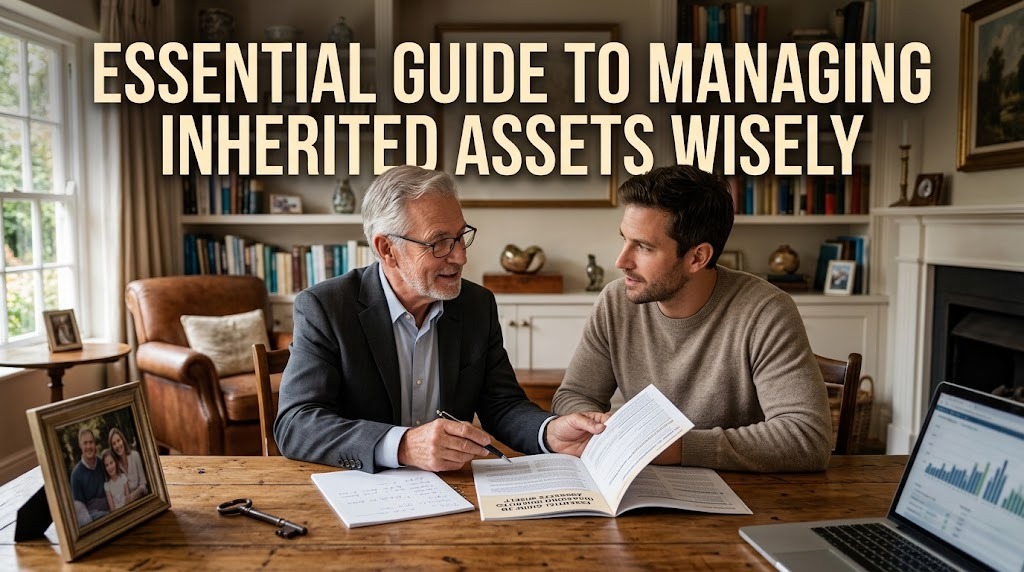
Receiving an inheritance can bring financial opportunities, but it can also create difficult decisions. Inherited assets may include cash, property, investments, businesses, vehicles, valuable items, or other forms of wealth. Without proper planning, these assets can quickly lose their value or become a source of conflict among family members. Managing an inheritance wisely requires patience, accurate information, and a clear understanding of your financial goals. This guide explains practical steps to help you protect, organize, and manage inherited assets responsibly.
UNDERSTAND WHAT YOU HAVE INHERITED
The first step is to create a complete list of all inherited assets and liabilities. Identify bank accounts, real estate, investments, insurance proceeds, business interests, vehicles, valuable possessions, and outstanding debts connected to the estate. You should also collect important documents such as wills, property certificates, account statements, insurance documents, and ownership records. A complete inventory makes it easier to understand the actual value of the inheritance.
It is also important to determine whether the assets have co-owners, beneficiaries, legal restrictions, or outstanding obligations. Do not assume that every inherited asset can immediately be sold or transferred. Ownership and inheritance procedures can differ depending on the country and applicable law. When the estate is complicated, seeking advice from a qualified legal or financial professional can help prevent costly mistakes.
AVOID MAKING QUICK FINANCIAL DECISIONS
An inheritance can create strong emotions, especially when it comes from someone close to you. Because of this, making major financial decisions immediately may not always be the best approach. Avoid rushing to sell property, invest large amounts of money, or make expensive purchases before understanding your financial position. Give yourself enough time to review the assets and consider their long term value.
A useful approach is to separate emotional decisions from financial decisions. A valuable family property, for example, may have sentimental importance that cannot be measured by its market price alone. On the other hand, keeping an expensive asset that produces significant costs may not always be financially practical. Taking time to evaluate each asset can help you make decisions based on facts rather than temporary emotions.
CHECK TAXES DEBTS AND LEGAL OBLIGATIONS
Inherited assets may involve taxes, administrative costs, debts, transfer fees, or other legal obligations, depending on the jurisdiction and type of asset. The rules governing inheritance can vary significantly between countries and regions. Some jurisdictions may apply inheritance or estate taxes, while others may have different rules concerning property transfers or capital gains. Therefore, never rely on assumptions about whether an inherited asset is automatically tax free.
Outstanding debts should also be investigated before distributing or using estate assets. In some legal systems, certain debts may need to be settled from the estate before beneficiaries receive their final share. Keep records of payments, transfers, and professional advice related to the estate. Consulting a tax adviser or qualified legal professional is especially important when the inheritance involves significant property, investments, or business interests.
ASSESS THE VALUE OF EACH ASSET
Knowing the approximate value of inherited assets is essential before deciding what to do with them. Property, businesses, investments, collectibles, and other valuable items may require professional valuation because their market value can be difficult to determine accurately. A realistic valuation helps you understand the size of your inheritance and compare different management options.
Avoid relying only on informal estimates when an asset has substantial financial value. For example, a property may have a different market value, rental value, and personal value. An investment portfolio should also be reviewed based on its current holdings, risks, fees, and potential returns. Accurate information allows you to make better decisions about keeping, selling, renting, or restructuring your inherited assets.
PROTECT AND ORGANIZE YOUR INHERITED WEALTH
Once the assets have been identified and valued, focus on protecting them from unnecessary risks. Keep important ownership documents in a secure location and maintain organized records of accounts, property, investments, and transactions. If you inherit digital accounts or financial services, make sure they are properly transferred and secured according to the provider's procedures. Good documentation can also make future estate planning much easier.
You should also review insurance coverage for inherited property and other valuable assets. A house, vehicle, or valuable collection may require appropriate protection against damage, theft, or other risks. If you inherit a rental property, for example, consider its maintenance costs, insurance, rental income, and legal responsibilities before deciding whether to keep it. Asset protection is not only about preserving value but also about controlling future risks.
BUILD A FINANCIAL PLAN FOR THE INHERITANCE
An inheritance can become more useful when it is connected to a clear financial plan. Consider whether the assets can help you achieve goals such as building an emergency fund, reducing high interest debt, saving for education, preparing for retirement, or investing for the future. Your priorities should depend on your current financial situation and long term objectives.
Diversification can also be important when managing inherited investments. Holding too much wealth in one asset class can increase financial risk. For example, someone who inherits several properties may already have substantial exposure to real estate and may benefit from considering other forms of assets. A qualified financial adviser can help evaluate risk, time horizons, and investment choices when the inheritance is substantial or complicated.
BE CAREFUL WHEN SELLING INHERITED PROPERTY
Selling an inherited property may appear to be an easy way to access cash, but the decision deserves careful consideration. Before selling, examine the property's current market value, taxes, maintenance costs, location, potential rental income, and future prospects. You should also understand the legal requirements for transferring ownership and completing the sale.
If several beneficiaries share ownership, communication becomes particularly important. Disagreements about pricing, timing, or the use of the property can create family disputes. A professional valuation and clear written agreements can reduce misunderstandings. In some situations, keeping, renting, or transferring the property may be more suitable than selling it immediately.
HANDLE FAMILY MATTERS WITH TRANSPARENCY
Inherited wealth can sometimes create tension between family members, especially when several people have rights to the same estate. Clear communication can help prevent misunderstandings about asset values, responsibilities, and distributions. Keep important decisions documented and make sure beneficiaries understand the relevant legal arrangements.
If disagreements become difficult to resolve, consider obtaining help from an independent legal professional or mediator. Avoid hiding information or making unilateral decisions about jointly inherited assets. A transparent process can protect both financial interests and family relationships. Remember that successful inheritance management is not only about maximizing wealth but also about handling shared responsibilities fairly.
REVIEW YOUR OWN ESTATE PLAN
Receiving an inheritance is also a good opportunity to review your personal financial and estate planning arrangements. Once inherited assets become part of your wealth, they may need to be included in your own will, beneficiary designations, insurance planning, and long term financial strategy. This can help determine who will receive the assets if something happens to you in the future.
Your financial situation may also change after receiving an inheritance. As a result, your existing savings, investment strategy, insurance coverage, and retirement plan may need to be adjusted. Regular reviews can ensure that your financial decisions remain aligned with your goals. Good inheritance management should create lasting financial stability rather than short term spending.
CONCLUCION
Managing inherited assets wisely requires more than simply receiving property or money. You need to understand the assets, verify their value, review legal and tax obligations, control risks, and create a realistic financial plan. Avoid making major decisions based solely on emotions or short term opportunities. When an inheritance is complex or valuable, professional legal, tax, and financial guidance can provide important protection.
The most effective approach is to treat an inheritance as part of your broader financial future. With careful planning, responsible management, and regular reviews, inherited wealth can become a valuable foundation for financial security, long term growth, and future family planning.
Tentang Penulis
Gusti Ayu Tita P
Penulis — Universitas STEKOM
Penulis aktif yang berfokus pada isu-isu akademik, teknologi pendidikan, dan pengembangan sumber daya manusia di lingkungan kampus.