Essential Safety Tips for Staying on a Ship During Your Journey
Gusti Ayu Tita P
11 Agustus 2026
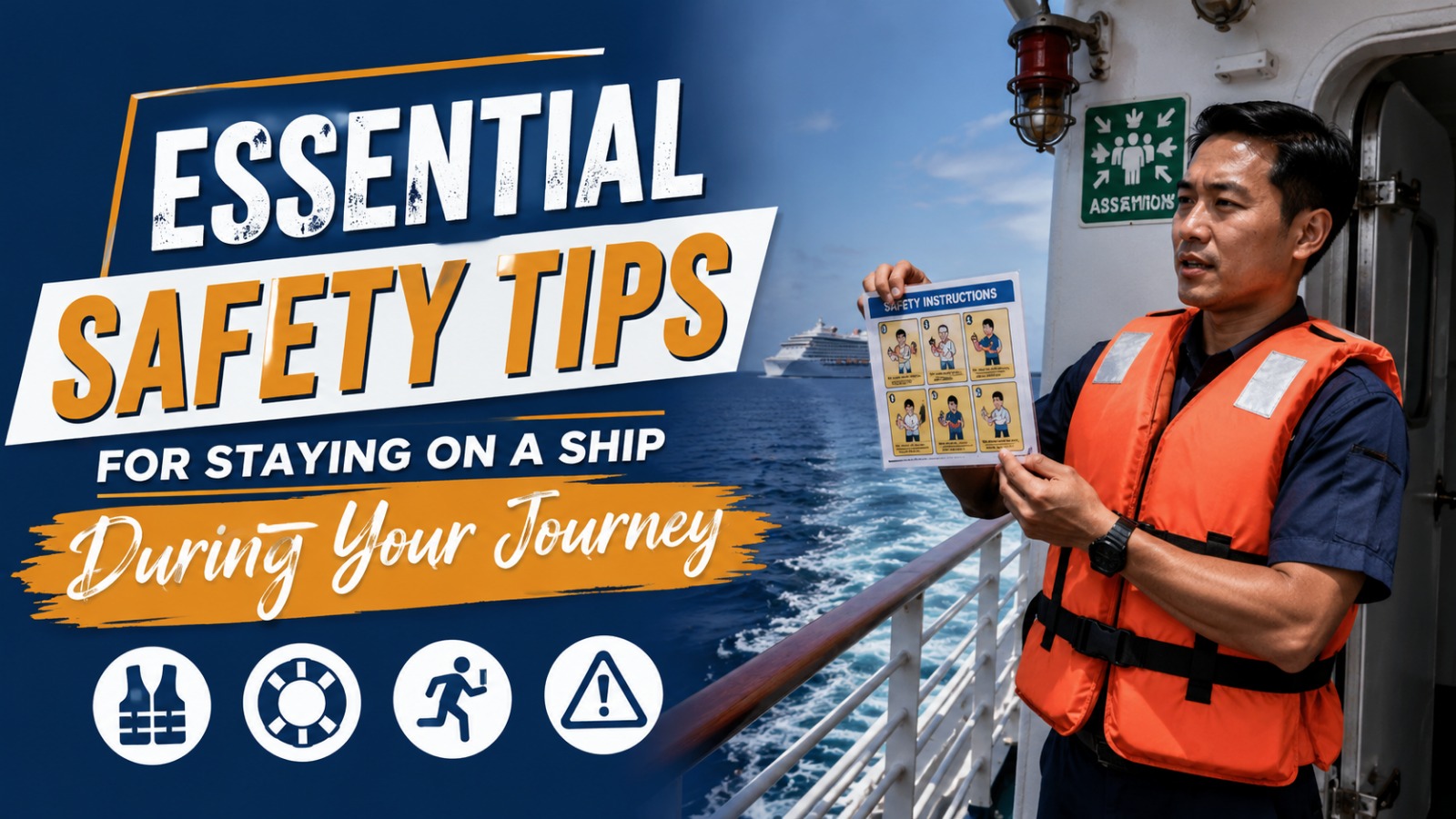
Traveling by ship can be an enjoyable experience, but passengers should always understand basic ship safety procedures. The sea environment is different from traveling by car, train, or airplane, so passengers need to follow specific safety instructions. Knowing where to go and what to do during an emergency can reduce panic and confusion. Simple safety habits can also help prevent accidents during the journey. Every passenger has an important role in maintaining a safe and comfortable ship journey.
FOLLOW THE CREW'S SAFETY INSTRUCTIONS
The first rule of staying safe on a ship is to follow the crew's instructions. Crew members are trained to manage passenger safety and respond to different situations at sea. Passengers should listen carefully to announcements and pay attention to safety demonstrations. Ignoring instructions can create unnecessary risks for both passengers and crew.
Passengers should also ask crew members if they are unsure about a safety procedure. Important information may include emergency exits, assembly points, and evacuation procedures. It is better to ask questions early than become confused during an emergency. Cooperation between passengers and crew is essential for effective maritime safety.
KNOW THE EMERGENCY EXITS
Every passenger should identify the emergency exits soon after boarding. Knowing the nearest exit can save valuable time if an emergency occurs. Passengers should also identify alternative routes because the closest exit may not always be accessible. Emergency signs are normally provided throughout passenger areas.
It is useful to remember the location of emergency stairways and assembly areas. Passengers should avoid blocking these routes with luggage or personal belongings. During an emergency, people need clear pathways to move safely. Familiarity with the ship's layout can make evacuation more organized and efficient.
UNDERSTAND LIFE JACKET PROCEDURES
A life jacket is an important piece of emergency equipment on a ship. Passengers should know where their life jacket is located and understand how to wear it correctly. During safety demonstrations, passengers should pay attention to instructions about putting on and securing the jacket. Children may require special assistance depending on their size and the vessel's procedures.
Life jackets should only be used according to the crew's instructions or emergency procedures. Passengers should not remove or misuse safety equipment unnecessarily. Knowing how the equipment works can reduce confusion during an emergency. Proper preparation can make a significant difference in a dangerous situation.
KEEP WALKWAYS CLEAR
Passengers should keep walkways, stairways, and emergency routes free from personal belongings. Bags, shoes, or other objects left in passageways can create a tripping hazard. Clear pathways are especially important when many passengers need to move at the same time. Good organization helps reduce the possibility of accidents.
Passengers should also use handrails when walking on stairs or areas affected by ship movement. Wet floors can become slippery, particularly near outdoor areas or entrances. Walking carefully is important when the ship is moving through rough water. Simple precautions can help prevent falls and injuries.
BE CAREFUL AROUND OPEN DECK AREAS
Outdoor decks provide passengers with opportunities to enjoy fresh air and ocean views, but they also require caution. Passengers should stay behind designated safety barriers and railings. Climbing, sitting, or leaning dangerously over railings should never be treated as entertainment.
Parents and guardians should supervise children carefully in outdoor areas. Strong winds and sudden ship movement can create additional risks. Passengers should follow all warning signs and instructions posted on the deck. Safe behavior allows everyone to enjoy the outdoor areas without unnecessary danger.
PROTECT YOUR PERSONAL BELONGINGS
Keeping personal belongings secure is another part of a safe ship journey. Important items such as identification documents, money, phones, and travel tickets should be stored carefully. Passengers should avoid leaving valuable belongings unattended in public areas. Using secure storage provided by the ship, when available, can reduce the risk of loss.
Passengers should also keep their cabin organized. Heavy objects should be stored securely so they do not fall when the ship moves. Bags should not block doors or emergency pathways. Good organization protects both passengers and their belongings.
PREPARE FOR ROUGH SEA CONDITIONS
Sea conditions can change unexpectedly, and passengers may experience stronger ship movement during rough weather. When the ship is moving significantly, passengers should remain seated or hold secure handrails when necessary. Walking quickly or carrying heavy objects can increase the risk of falling.
Passengers who are sensitive to motion may also prepare for seasickness before traveling. Staying hydrated, resting properly, and following appropriate preventive advice can help. During rough conditions, passengers should follow any additional instructions from the crew. Safety decisions made by the crew are intended to protect everyone onboard.
KNOW WHAT TO DO DURING AN EMERGENCY
In an emergency, passengers should remain calm and follow official instructions. Panic can make it harder for people to understand directions or move safely. Passengers should proceed to the designated assembly area when instructed and bring only essential items if the crew allows it.
Passengers should never attempt to create their own evacuation route or ignore crew instructions. Emergency procedures are designed to organize large numbers of people efficiently. Cooperation, patience, and awareness can help reduce confusion. Understanding safety procedures before an emergency occurs is one of the best ways to prepare for unexpected situations.
CONCLUSION
Following basic ship safety tips can make a major difference during a sea journey. Passengers should learn emergency exits, understand life jacket procedures, keep walkways clear, and follow crew instructions. They should also behave carefully on outdoor decks, protect their belongings, and prepare for changing sea conditions. Most importantly, passengers should remain calm and cooperate with the crew during emergencies. With proper awareness and responsible behavior, travelers can enjoy a safer and more comfortable journey by ship.
Tentang Penulis
Gusti Ayu Tita P
Penulis — Universitas STEKOM
Penulis aktif yang berfokus pada isu-isu akademik, teknologi pendidikan, dan pengembangan sumber daya manusia di lingkungan kampus.