Fun Educational Holidays to Expand Children’s Knowledge
Gusti Ayu Tita P
1 September 2026
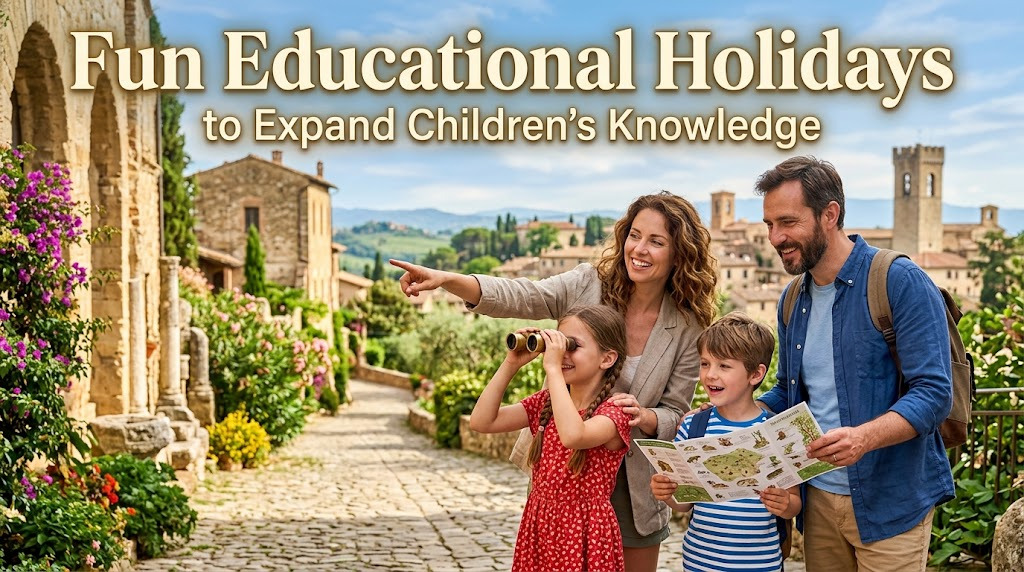
Educational holidays can be a great way for children to enjoy their free time while discovering new information. Instead of spending the entire holiday only on entertainment, families can choose activities that combine learning and recreation. Visiting museums, exploring nature, or experiencing local culture can introduce children to things they may not learn directly at school. With the right activities, a holiday can become both enjoyable and educational.
CHOOSE INTERESTING EDUCATIONAL DESTINATIONS
Choosing the right destination is an important part of creating a fun educational holiday. Families can visit museums, science centers, historical sites, libraries, botanical gardens, or cultural attractions. Each destination can introduce children to different subjects and real-life experiences. Parents should consider the child's age and interests when selecting a place to visit.
A destination does not need to be expensive or famous to provide a valuable learning experience. Even a local park or community cultural center can offer opportunities to discover something new. Parents can research the destination before visiting to understand its facilities and educational activities. A suitable destination can make children more curious and willing to learn.
EXPLORE NATURE TOGETHER
Nature can provide many opportunities for children to learn outside the classroom. Families can explore forests, beaches, botanical gardens, farms, or nature conservation areas while observing plants, animals, and natural surroundings. Children can learn about ecosystems and environmental protection through direct observation. This type of activity can make science and environmental topics easier to understand.
Parents can encourage children to ask questions about what they see. For example, they can discuss why certain plants grow in specific places or how animals adapt to their habitats. Children should also be taught to respect nature by avoiding littering and disturbing wildlife. Exploring nature can build knowledge while developing environmental awareness.
MAKE LEARNING INTERACTIVE
Educational holidays become more enjoyable when children actively participate in activities. Instead of simply looking at exhibits, parents can encourage children to observe, ask questions, solve simple challenges, and try hands-on activities. Interactive experiences can help children connect new information with real situations. They can also make learning feel less formal and more entertaining.
Parents can create simple games during the trip. For example, children can be asked to find specific objects, identify plants, or remember interesting facts about a destination. These activities should remain simple and enjoyable rather than feeling like school assignments. Interactive learning can encourage children to become more active participants in their own learning process.
INTRODUCE HISTORY AND CULTURE
Travel can help children understand history and culture through direct experiences. Families can visit museums, historical buildings, cultural villages, traditional art centers, or heritage sites. Children can learn about traditions, historical events, traditional crafts, and different ways of life. Seeing these things directly can make historical and cultural information more meaningful.
Parents should explain cultural practices respectfully and use language that children can understand. Encourage children to appreciate differences rather than judging unfamiliar traditions. Families should also follow local rules and ask permission before taking photographs when necessary. Learning about history and culture can help children appreciate diversity and heritage.
CREATE MEMORABLE LEARNING EXPERIENCES
A successful educational holiday should leave children with positive memories. Parents can encourage children to keep a simple travel journal, draw what they see, take notes, or tell stories about their experiences. These activities help children remember what they learned during the trip. They can also provide opportunities for families to discuss interesting discoveries after returning home.
The holiday should still include enough time for rest and free play. Children do not need to learn something from every activity or visit every possible destination. A balanced schedule can prevent them from becoming tired or overwhelmed. The best educational holidays combine learning, exploration, relaxation, and quality family time.
CONCLUSION
Fun educational holidays can expand children's knowledge through interesting destinations, nature exploration, interactive activities, history and culture experiences, and memorable learning opportunities. These activities allow children to learn from real-life experiences while enjoying time with their families. Parents should choose activities according to the child's age, interests, and abilities. With a balanced approach, holidays can become enjoyable experiences that support children's curiosity and knowledge.
Tentang Penulis
Gusti Ayu Tita P
Penulis — Universitas STEKOM
Penulis aktif yang berfokus pada isu-isu akademik, teknologi pendidikan, dan pengembangan sumber daya manusia di lingkungan kampus.