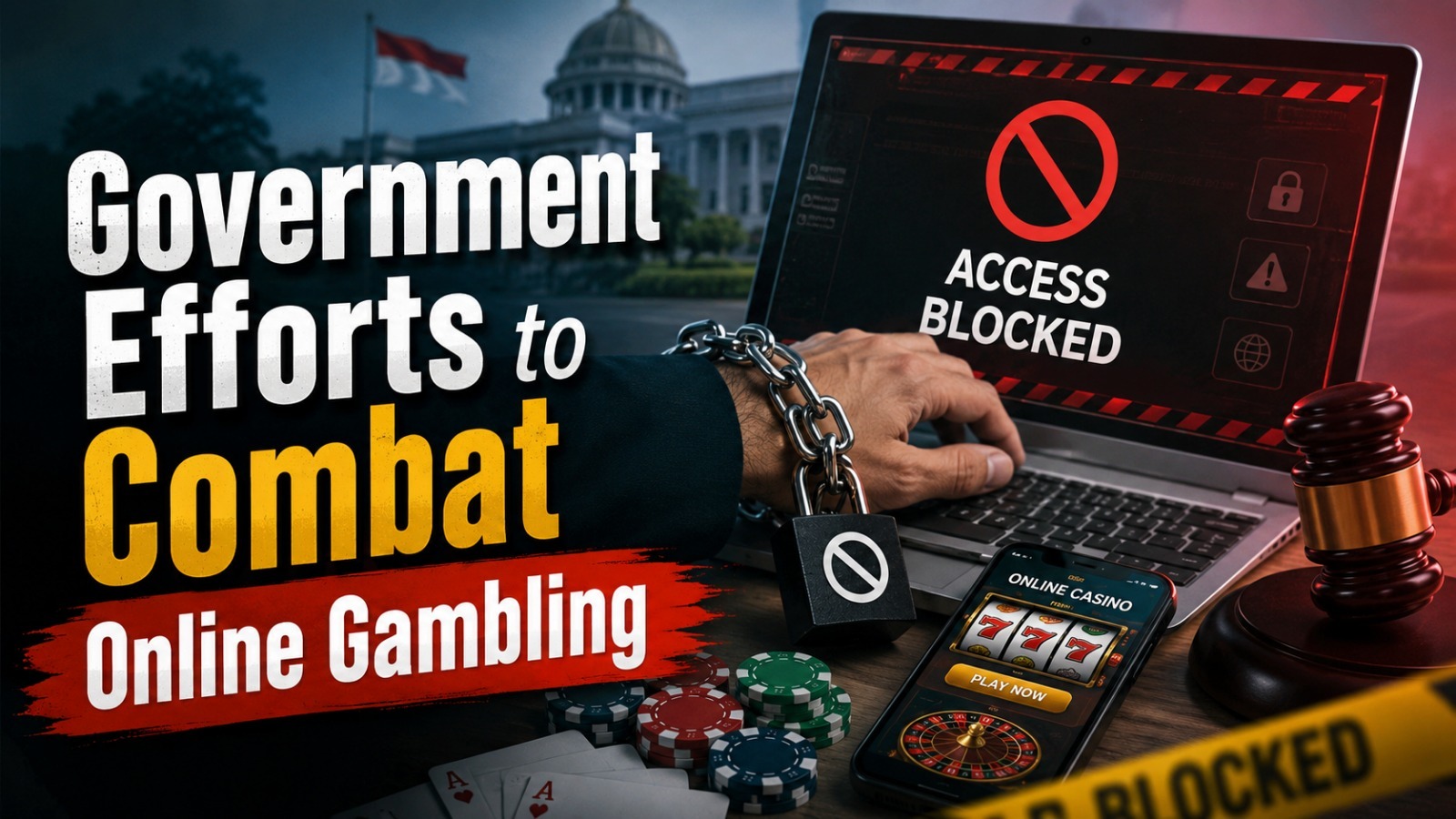
INTRODUCTION TO THE GROWING CHALLENGE OF ONLINE GAMBLING
Online gambling has become a global issue due to rapid advances in digital technology, widespread internet access, and the increasing use of mobile devices. Gambling platforms can now be accessed at any time, making it easier for individuals to participate in betting activities. While some countries regulate online gambling under strict legal frameworks, many governments continue to struggle with illegal gambling operations that create serious financial and social problems.
The negative effects of online gambling extend beyond financial losses. Gambling addiction can damage mental health, family relationships, workplace productivity, and community well-being. As a result, governments around the world have introduced various strategies to reduce illegal gambling activities and protect the public from their harmful consequences.
STRENGTHENING LEGAL REGULATIONS
One of the primary government strategies is implementing strong legal regulations against illegal online gambling. Clear laws define which gambling activities are prohibited and establish penalties for operators who violate national regulations. These legal measures provide authorities with a stronger foundation for investigating and prosecuting illegal gambling networks.
Governments also regularly update legislation to keep pace with technological developments. Since online gambling platforms constantly evolve, regulations must remain flexible and responsive. Strong legal frameworks help reduce illegal operations while increasing public confidence in law enforcement.
BLOCKING ILLEGAL GAMBLING WEBSITES
Many governments actively work with internet service providers to block access to illegal gambling websites. Website blocking reduces public exposure to unauthorized gambling platforms and makes it more difficult for users to participate in illegal betting activities. Authorities also monitor newly created websites to prevent operators from quickly replacing blocked domains.
In addition to blocking websites, governments often cooperate with technology companies to remove gambling-related content from search engines, mobile applications, and social media platforms. These actions help reduce the visibility of illegal gambling services and discourage public participation.
MONITORING DIGITAL FINANCIAL TRANSACTIONS
Financial monitoring is another effective strategy for combating online gambling. Governments cooperate with banks, payment providers, and financial institutions to identify suspicious transactions associated with illegal gambling operations. Restricting payment channels makes it more difficult for gambling operators to receive deposits and process withdrawals.
Advanced financial monitoring systems also help authorities detect money laundering and other financial crimes connected to gambling activities. Strengthening financial oversight not only limits illegal gambling but also protects the integrity of the national financial system.
RAISING PUBLIC AWARENESS
Public education plays a significant role in reducing online gambling participation. Governments frequently organize awareness campaigns that explain the financial, psychological, and social risks associated with gambling addiction. Educational materials are distributed through television, radio, schools, community organizations, and digital media.
These campaigns encourage responsible internet use while helping people recognize misleading gambling advertisements. Increasing public knowledge enables individuals to make informed decisions and reduces the likelihood of becoming involved in illegal gambling activities.
SUPPORTING PREVENTION AND REHABILITATION
Governments recognize that enforcement alone is not enough to address gambling addiction. Many countries invest in mental health services, counseling programs, and rehabilitation centers that support individuals struggling with gambling-related problems. Professional assistance helps people recover while reducing the long-term social costs associated with addiction.
Prevention programs also focus on schools, universities, and local communities. Teaching digital literacy and financial responsibility from an early age helps young people understand the risks of online gambling before harmful habits develop.
INTERNATIONAL COOPERATION
Because many gambling platforms operate across national borders, governments increasingly cooperate with international organizations and foreign law enforcement agencies. Sharing intelligence, technical expertise, and legal assistance improves the ability to investigate transnational gambling networks. International cooperation also strengthens efforts to prevent cybercrime and cross-border financial fraud.
Joint operations between countries can disrupt illegal gambling organizations more effectively than isolated national actions. This collaborative approach reflects the global nature of modern digital crime and enhances overall enforcement efficiency.
CHALLENGES IN COMBATING ONLINE GAMBLING
Despite significant progress, governments continue to face numerous challenges. Gambling operators frequently create new websites, use encrypted communication, and adopt advanced technologies to avoid detection. These tactics require authorities to continuously improve their monitoring capabilities and legal strategies.
Another challenge is balancing effective law enforcement with digital privacy and legitimate internet use. Governments must ensure that anti-gambling measures remain fair, transparent, and consistent with national laws. Ongoing investment in technology, skilled personnel, and public education remains essential for long-term success.
CONCLUSION
Government efforts to combat online gambling involve a combination of legal enforcement, website blocking, financial monitoring, public education, rehabilitation services, and international cooperation. These strategies work together to reduce illegal gambling activities while protecting individuals and communities from financial and social harm.
Although challenges continue to evolve alongside technology, consistent enforcement, responsible regulation, and increased public awareness remain the most effective approaches. By combining strong policies with community participation, governments can create a safer and more responsible digital environment.
vention includes government efforts through legal enforcement, website blocking, public awareness, and financial monitoring to reduce gambling risks.
Tentang Penulis
Gusti Ayu Tita P
Penulis — Universitas STEKOM
Penulis aktif yang berfokus pada isu-isu akademik, teknologi pendidikan, dan pengembangan sumber daya manusia di lingkungan kampus.