How AI Is Transforming Learning Management Systems?
Gusti Ayu Tita P
29 Juli 2026
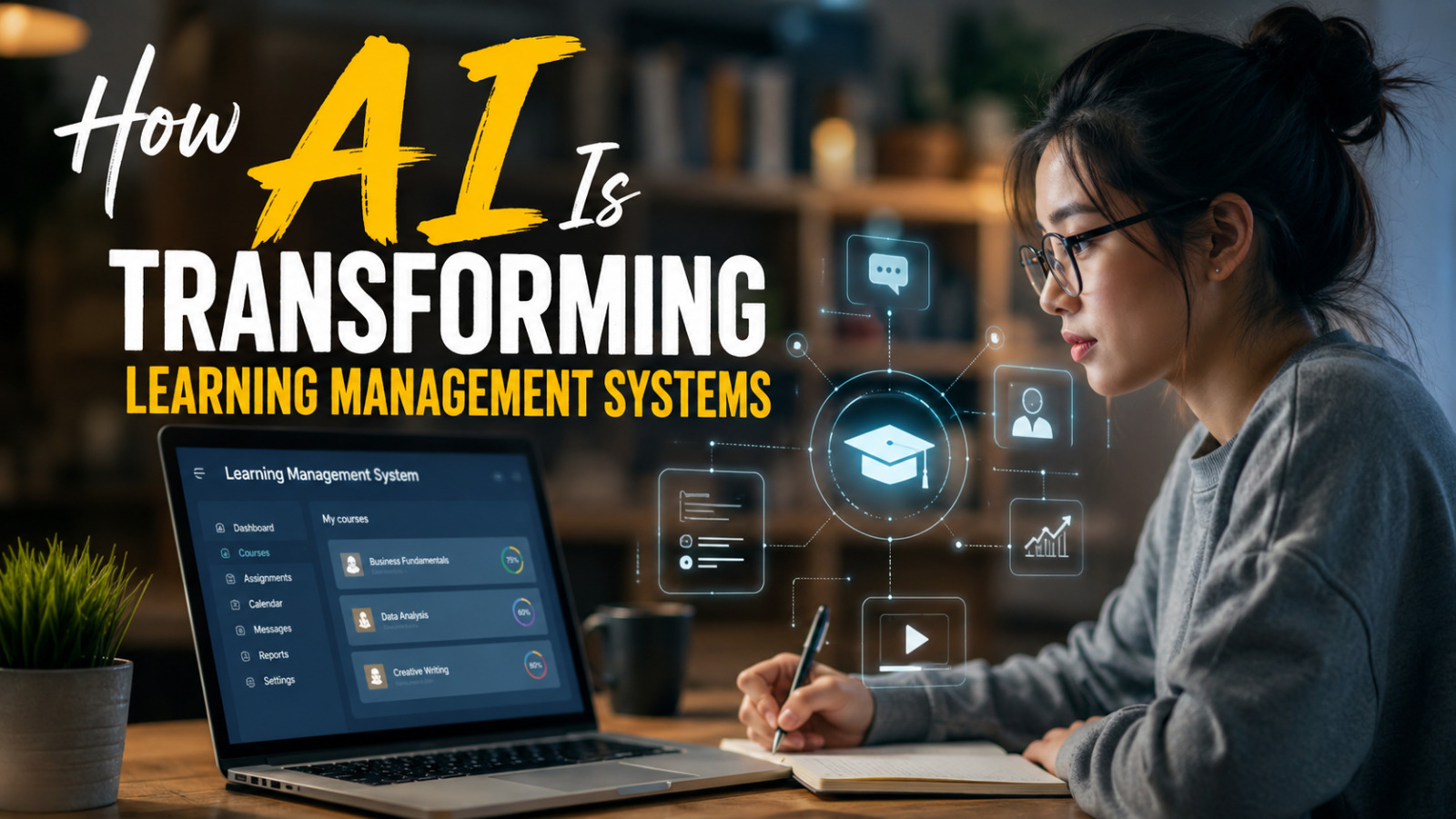
Artificial Intelligence (AI) is changing the way organizations, schools, and training providers deliver online education. Modern Learning Management Systems (LMS) are no longer just platforms for uploading courses and tracking learner progress. They have become intelligent ecosystems capable of personalizing learning experiences, automating repetitive tasks, and improving learner engagement. As businesses continue investing in digital transformation, AI-powered LMS platforms are becoming an essential part of effective employee training and educational programs.
WHAT IS AN AI-POWERED LEARNING MANAGEMENT SYSTEM?
An AI-powered Learning Management System is an LMS that uses artificial intelligence technologies such as machine learning, natural language processing, and data analytics to improve learning experiences. Instead of providing the same content to every learner, the system analyzes user behavior and learning patterns to recommend the most suitable materials. This creates a more personalized and effective learning journey.
Traditional LMS platforms mainly focus on course management, while AI-enhanced systems actively assist both learners and administrators. They can answer questions through AI chatbots, suggest learning paths, and identify areas where learners need improvement. As a result, organizations can deliver more efficient and engaging training programs with less manual effort.
PERSONALIZED LEARNING EXPERIENCES
One of the biggest advantages of AI is its ability to create personalized learning experiences. Every learner has different skills, knowledge levels, and learning speeds. AI analyzes these differences and automatically recommends lessons, quizzes, or videos based on individual progress.
This personalized approach keeps learners motivated because they receive content that matches their current abilities. Instead of spending time on topics they already understand, learners can focus on areas that require improvement. This increases both learning efficiency and overall satisfaction.
SMART AUTOMATION FOR ADMINISTRATORS
AI significantly reduces administrative workloads by automating repetitive tasks. Activities such as course enrollment, grading quizzes, generating certificates, and tracking learner progress can be completed automatically. This allows instructors and administrators to spend more time improving course quality rather than handling routine operations.
AI also generates detailed reports with valuable insights into learner performance. Managers can quickly identify employees who need additional training or recognize top performers. These data-driven insights support better decision-making and improve overall training effectiveness.
AI CHATBOTS AND VIRTUAL ASSISTANTS
Many modern LMS platforms now include AI chatbots that provide instant assistance to learners. These virtual assistants answer frequently asked questions, recommend learning resources, and help users navigate the platform without waiting for human support.
The availability of 24/7 assistance improves the learning experience, especially for remote teams working across different time zones. Learners receive immediate responses whenever they need help, reducing frustration and increasing course completion rates.
DATA-DRIVEN LEARNING ANALYTICS
AI continuously collects and analyzes learning data to identify patterns and predict future performance. Organizations can monitor course completion rates, learner engagement, assessment scores, and knowledge gaps through intelligent dashboards. These insights help training managers understand which learning strategies are producing the best results.
Predictive analytics also allows organizations to intervene before learners fall behind. If AI detects declining engagement or poor performance, it can automatically recommend additional learning materials or notify instructors. This proactive approach improves learning outcomes while reducing dropout rates.
IMPROVED CONTENT RECOMMENDATIONS
AI makes content discovery much easier by recommending relevant learning materials based on user preferences and previous activities. Learners no longer need to search through large course libraries because the system automatically suggests the most useful resources.
These intelligent recommendations encourage continuous learning by exposing users to additional courses, articles, and videos related to their goals. This creates a more engaging learning environment and helps employees develop new skills more efficiently.
FUTURE OF AI IN LEARNING MANAGEMENT SYSTEMS
The future of AI in Learning Management Systems looks highly promising. Emerging technologies such as generative AI, voice recognition, adaptive learning, and immersive virtual learning environments will make online education even more interactive. Organizations that adopt AI-powered LMS solutions today will be better prepared for future workforce development.
As AI technology continues to evolve, LMS platforms will become smarter, faster, and more responsive to individual learning needs. Businesses and educational institutions that embrace these innovations can improve productivity, increase learner satisfaction, and achieve better training outcomes. AI is not replacing educators but empowering them with intelligent tools that enhance the overall learning experience.
CONCLUSION
Artificial Intelligence is revolutionizing Learning Management Systems by making online learning more personalized, efficient, and engaging. From smart automation and AI chatbots to predictive analytics and personalized recommendations, AI is transforming how organizations deliver education and employee training. As technology advances, AI-powered LMS platforms will continue to play a critical role in shaping the future of digital learning. Investing in these intelligent solutions enables organizations to improve learning outcomes, reduce administrative workloads, and create a better educational experience for every learner.
Tentang Penulis
Gusti Ayu Tita P
Penulis — Universitas STEKOM
Penulis aktif yang berfokus pada isu-isu akademik, teknologi pendidikan, dan pengembangan sumber daya manusia di lingkungan kampus.