
How Are Gas Stations Adapting to New Technologies?
Gusti Ayu Tita P
17 September 2026
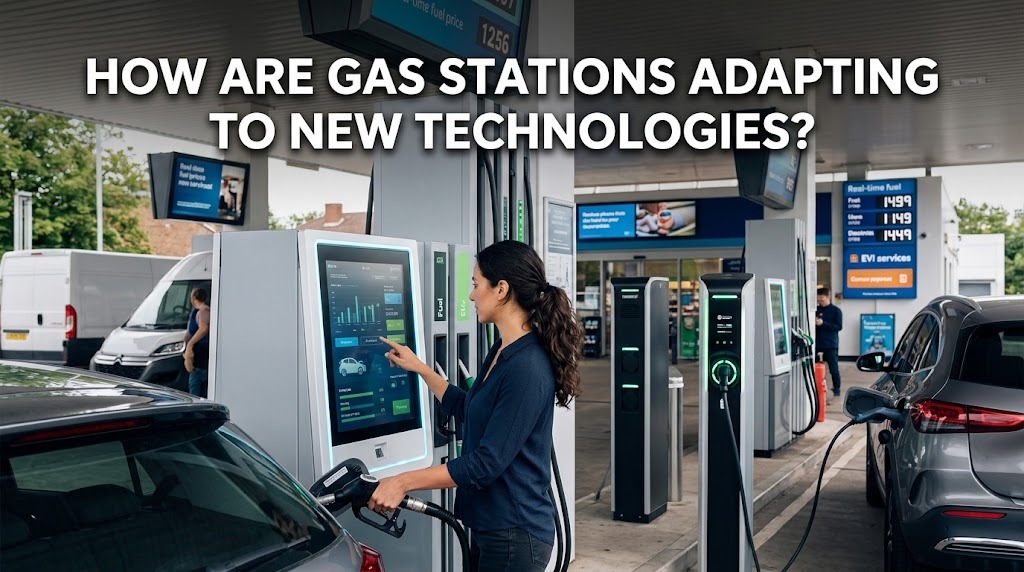
Gas stations are no longer limited to selling conventional fuel. New technologies are changing how stations serve drivers, process payments, manage energy, and respond to changing vehicle needs. The growth of electric vehicles has encouraged many fueling locations to consider EV charging infrastructure alongside traditional fuel pumps. Digital systems are also making station services more connected and convenient for customers.
Technology can help gas stations become more efficient while providing drivers with more options. However, the pace and type of adoption can differ depending on local demand, infrastructure, regulations, and investment costs. Understanding these changes helps drivers see why modern gas stations are gradually becoming more than places to purchase gasoline or diesel.
DIGITAL PAYMENT SYSTEMS
One of the most visible technological changes at modern gas stations is the use of digital payment systems. Customers may be able to pay using mobile applications, digital wallets, contactless cards, or other electronic payment methods, depending on the station. These options can reduce the need to handle cash and may make transactions faster. Digital systems can also connect payment information with loyalty programs, promotions, or purchase records.
Technology can also improve how transactions are managed behind the scenes. Station operators can use digital systems to monitor sales, organize transaction data, and manage customer services more efficiently. In the wider EV charging sector, networked charging systems can support station discovery, payment, access control, and real-time status information.
EV CHARGING INFRASTRUCTURE
The growth of electric vehicles is one of the biggest factors influencing the future of fueling locations. Some stations are adding EV charging points so customers can recharge electric vehicles while visiting the site. The International Energy Agency reported that Indonesia had more than 4,500 public chargers deployed by the state-owned electricity utility by 2025, while the country has also established targets for further public charging expansion.
Charging technology is also becoming faster. The IEA reported that the average power of public charging points worldwide increased from just over 40 kW in 2024 to nearly 50 kW in 2025, while some next-generation chargers can provide more than 250 kW. However, not every electric vehicle can use the highest charging speeds, so stations need to consider vehicle compatibility, electricity supply, and customer demand when developing charging facilities.
SMART ENERGY MANAGEMENT
Modern fueling locations can use technology to manage electricity consumption more intelligently. Smart charging systems can coordinate charging activity based on electricity demand, building loads, energy prices, and operational requirements. This approach can help reduce unnecessary pressure on electrical infrastructure while making charging operations easier to manage. The U.S. Department of Energy notes that smart charge management can help reduce charging costs and avoid some expensive electrical upgrades.
For gas stations that combine conventional fuel pumps with EV chargers, energy management can become increasingly important. A station may need to balance lighting, refrigeration, convenience-store equipment, fuel systems, and charging equipment. Data monitoring and automated controls can help operators understand when energy is being used and where improvements may be possible. As electricity demand from EVs increases, smarter charging and energy management can become an important part of station planning.
ALTERNATIVE FUEL OPTIONS
Technology is also expanding the range of energy sources available for transportation. Depending on the market, fueling infrastructure may include electricity, hydrogen, natural gas, ethanol, biodiesel, or renewable fuels in addition to conventional gasoline and diesel. The U.S. Department of Energy identifies several alternative fuel categories and supports infrastructure planning for different vehicle technologies.
The transition does not mean that every gas station will immediately offer every type of fuel. Infrastructure requirements, vehicle availability, local regulations, electricity access, investment costs, and consumer demand all affect which technologies are practical. As transportation becomes more diverse, some fueling locations may gradually develop into multi-energy stations that serve different types of vehicles.
CONNECTED SERVICES AND AUTOMATION
Another important development is the increasing use of connected technology. Networked charging equipment can communicate with backend systems, allowing operators to monitor station status, manage access, collect usage information, and process payments. Similar digital systems can help station operators monitor equipment and identify operational problems more quickly. These technologies can make station management more data-driven and responsive.
Automation can also improve the customer experience by reducing unnecessary manual processes. Drivers may use applications to locate available charging points, check station information, begin a charging session, and complete payment. The broader automotive industry is also becoming increasingly software-based, with connected vehicles and advanced digital systems becoming more common. This means fueling infrastructure will increasingly need to work smoothly with the digital systems used by modern vehicles.
THE FUTURE OF MODERN GAS STATIONS
The future of gas stations is likely to involve a combination of traditional fueling, electric charging, digital payments, connected services, and smarter energy management. Not every station will adopt the same technology because local transportation patterns and infrastructure needs are different. However, the expansion of EVs and digital transportation services is creating new reasons for fueling businesses to modernize.
For drivers, these changes can provide more ways to fuel or charge vehicles and more convenient digital services. For station operators, new technology can create opportunities to improve operations while also introducing new technical, financial, and infrastructure challenges. Modern gas stations are therefore evolving from simple fuel-selling locations into increasingly connected energy and mobility facilities.
CONCLUSION
Gas stations are adapting to new technologies by introducing digital payments, EV charging, smart energy management, alternative fuels, and connected services. These developments reflect changes in vehicle technology and the growing need for more flexible transportation infrastructure. EV charging is particularly important as electric vehicle adoption expands and charging technology becomes faster.
The transformation will continue gradually rather than happen in the same way everywhere. Stations that adopt suitable technologies can provide customers with more choices and potentially improve operational efficiency. As transportation continues to develop, technology will play an increasingly important role in shaping the modern gas station experience.
Tentang Penulis
Gusti Ayu Tita P
Penulis — Universitas STEKOM
Penulis aktif yang berfokus pada isu-isu akademik, teknologi pendidikan, dan pengembangan sumber daya manusia di lingkungan kampus.