
How Can a Campus Email Help Students Manage Academic Information?
Gusti Ayu Tita P
28 September 2026
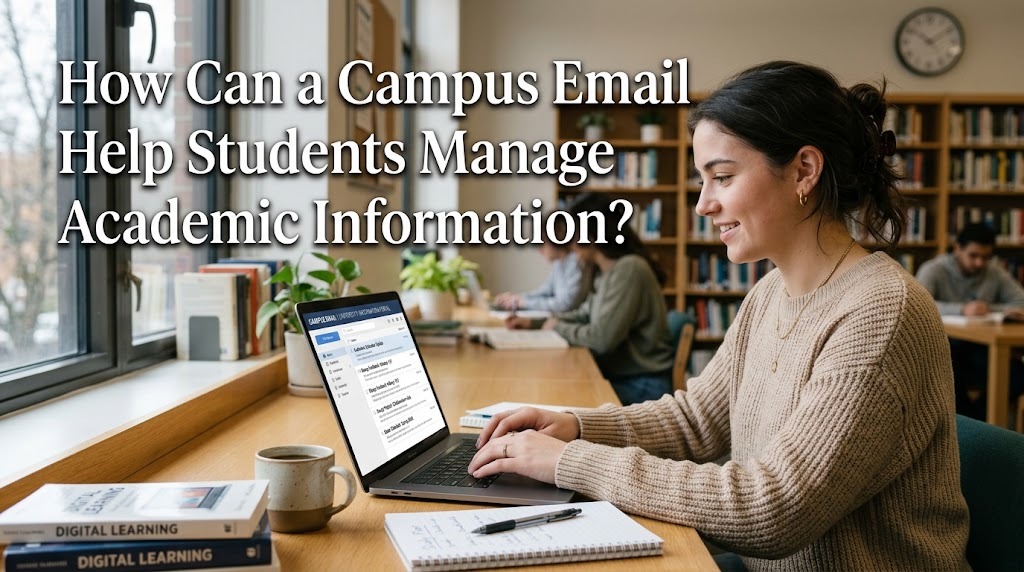
A campus email can help students manage important information throughout their college life. Students often receive announcements, assignment details, schedule updates, and other academic messages through email. Keeping these messages organized can make it easier to find information when it is needed. A campus email also provides a more structured communication channel than many casual messaging platforms. With proper management, students can use email to support their academic activities and stay informed.
ORGANIZING ACADEMIC INFORMATION IN ONE PLACE
Campus email can serve as a central place for receiving different types of academic information. Students may receive messages about lectures, assignments, examinations, academic events, and institutional announcements. Keeping these messages in one account can make important information easier to access. Students can also search their inbox when they need to find an older message. This can save time when checking specific academic details.
Students should avoid leaving important messages mixed with unnecessary emails. Creating folders or labels based on subjects, courses, or academic activities can make the inbox more organized. For example, students can separate messages related to assignments, schedules, and campus announcements. This simple system can help them manage information more efficiently.
CHECKING EMAIL REGULARLY
Checking campus email regularly is important because academic information can change at any time. Lecturers or campus staff may send updates about class schedules, assignments, deadlines, or other activities. Students who check their email consistently are more likely to notice important updates on time. They do not need to check the inbox every few minutes, but creating a regular checking routine can be helpful. Consistency is an important part of academic information management.
Students can choose specific times to check their email, such as before starting their daily activities or after classes. They should also pay attention to messages that contain deadlines or changes to previous instructions. Reading emails carefully can prevent students from missing important information. A regular email routine can therefore support better organization and preparation.
USING SEARCH AND ORGANIZATION FEATURES
Most email services provide features that can help students find information more easily. The search function allows students to locate messages using words from the subject, sender, or email content. This can be useful when students need to find an old assignment instruction or announcement. Instead of scrolling through hundreds of messages, students can search for specific terms. Using these features can make academic information easier to manage.
Students can also use folders, labels, or categories when these features are available. Messages can be organized according to subjects, lecturers, or types of academic information. Important emails can also be marked or kept in a dedicated folder for easier access. Good organization reduces the time needed to find important information.
TRACKING DEADLINES AND IMPORTANT UPDATES
Campus email can help students keep track of academic deadlines and changes to their schedules. An email may contain information about assignment submission dates, examination schedules, meetings, or registration periods. Students should read these details carefully and record important dates in a calendar or task management application. Email should be used as a source of information rather than the only place for tracking deadlines.
Students can also review previous messages when they need to confirm instructions. Keeping important emails can provide a useful reference if students forget specific details. They should pay attention to updated messages because new information may replace earlier instructions. This habit can help students stay organized and reduce avoidable mistakes.
MANAGING IMPORTANT DOCUMENTS AND ATTACHMENTS
Academic emails may include documents and attachments such as assignment guidelines, schedules, forms, or other files. Students should download or save important files when appropriate so they can access them later. Before saving a document, they should use clear file names that make the contents easy to identify. Organizing files into suitable folders can also make academic documents easier to find.
Students should check attachments carefully before opening or sharing them. They should make sure that files belong to the correct academic activity and are intended for them. When sending a document through campus email, students should also confirm that the correct file is attached. Careful document management can make academic communication more organized and reliable.
USING CAMPUS EMAIL RESPONSIBLY
Managing academic information effectively also requires responsible email use. Students should protect their campus email accounts and avoid sharing passwords or other private login information. They should also avoid deleting important academic messages before confirming that the information is no longer needed. Keeping useful records can help students review instructions throughout the semester.
Students should develop the habit of responding appropriately when an email requires a reply. A response should be clear, polite, and related to the original message. If an email contains an important deadline or instruction, students should take the necessary action rather than simply reading it. By using campus email responsibly, students can improve their organization and support their academic productivity.
CONCLUSION
A campus email can help students manage academic information by providing a structured place to receive, organize, and review important messages. Regularly checking email can help students stay updated about assignments, schedules, deadlines, and campus activities. Using search functions, folders, labels, and organized document storage can make information easier to find. Students should also manage attachments carefully and protect their accounts. With consistent and responsible habits, campus email can become a useful tool for academic information management and student productivity.
Tentang Penulis
Gusti Ayu Tita P
Penulis — Universitas STEKOM
Penulis aktif yang berfokus pada isu-isu akademik, teknologi pendidikan, dan pengembangan sumber daya manusia di lingkungan kampus.



