
How Can a Campus Email Help Students Receive Academic Information?
Gusti Ayu Tita P
28 September 2026
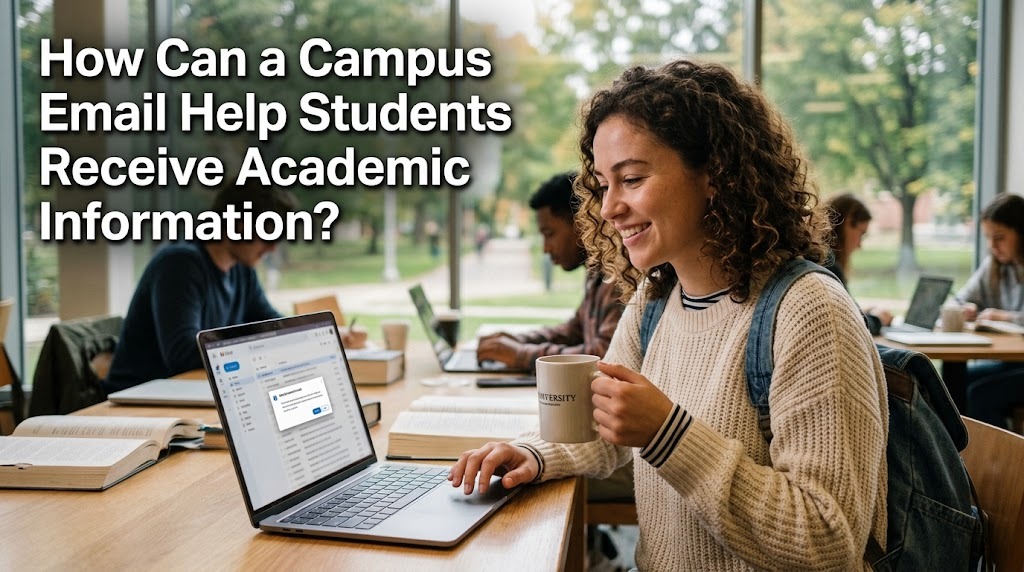
A campus email is an important communication tool for students in higher education. It allows students to receive academic information directly from lecturers, departments, and campus administration. Important messages such as schedule updates, assignment instructions, examination information, and academic announcements can be delivered through email. With regular use, students can manage academic information more efficiently and avoid missing important updates.
RECEIVING ACADEMIC ANNOUNCEMENTS
Campus email helps students receive academic announcements from lecturers and university staff. These announcements may contain information about lectures, assignments, examinations, seminars, or other academic activities. Because the information is sent directly to students, they can check the details whenever necessary. Email also provides a written record that can be reviewed again later. This makes it easier for students to remember important instructions.
Students should check their campus email regularly to make sure they do not miss new messages. Some academic information may have deadlines, so checking the inbox only occasionally can create problems. Students can also organize messages based on subjects or activities. A well-organized inbox makes important information easier to find. This simple habit can support better academic management.
GETTING INFORMATION ABOUT CLASS SCHEDULES
Changes to class schedules can sometimes happen because of lecturer availability, campus activities, or other academic situations. Campus email allows students to receive these changes without depending only on information from classmates. Lecturers or academic departments can send updated schedules directly to students. Students can then review the new date, time, and location before attending class.
Email communication is especially useful when schedule changes happen close to the original class time. Students can keep the message as a reference if they need to confirm the updated information. They should carefully read the entire message because schedule changes may include additional instructions. This can help reduce misunderstandings about academic activities.
UNDERSTANDING ASSIGNMENT INFORMATION
Lecturers can use campus email to send assignment instructions, deadlines, and supporting materials. Students can review the instructions at their own pace and return to the email while completing their work. This is useful when an assignment includes several requirements or specific submission rules. Students can also save the attached documents for future reference.
Before starting an assignment, students should check the deadline, file requirements, submission method, and lecturer's instructions. If something is unclear, they can send a polite email asking for clarification. Reading the original message carefully can prevent mistakes caused by incomplete information. Good email management can therefore support more organized academic work.
ACCESSING EXAMINATION INFORMATION
Campus email can also help students receive important information about examinations. Messages may provide details about examination schedules, locations, required documents, or other academic instructions. Students can keep these messages so they can review the information before the examination. This is particularly useful when several academic activities take place during the same period.
Students should read examination emails carefully and note important dates. They can use a calendar or reminder application to record deadlines and examination schedules. If the email contains an attachment, students should check that the file opens correctly. These habits can help students manage academic information more systematically.
KEEPING A RECORD OF ACADEMIC INFORMATION
One major advantage of campus email is that it creates a digital record of communication. Students can search their inbox when they need to find previous announcements, instructions, or documents. This can be helpful when students forget specific information or need to confirm what was previously communicated. Email records can also make academic communication easier to track.
Students should avoid deleting important academic emails without checking whether they may be needed later. Creating folders for courses, assignments, examinations, and administration can make the inbox easier to manage. Students should also keep their account secure by using a strong password and avoiding sharing account access. Proper email management helps ensure that academic information remains accessible when needed.
CONCLUSION
A campus email helps students receive and manage academic information in a clear and organized way. It can be used for announcements, class schedules, assignment instructions, examination details, and other important academic communication. By checking their inbox regularly and organizing important messages, students can reduce the risk of missing essential information. Using campus email responsibly can therefore support effective academic management and student productivity.
Tentang Penulis
Gusti Ayu Tita P
Penulis — Universitas STEKOM
Penulis aktif yang berfokus pada isu-isu akademik, teknologi pendidikan, dan pengembangan sumber daya manusia di lingkungan kampus.



