How Can Cooperative Loans Support Members’ Economic Growth?
Gusti Ayu Tita P
21 Agustus 2026
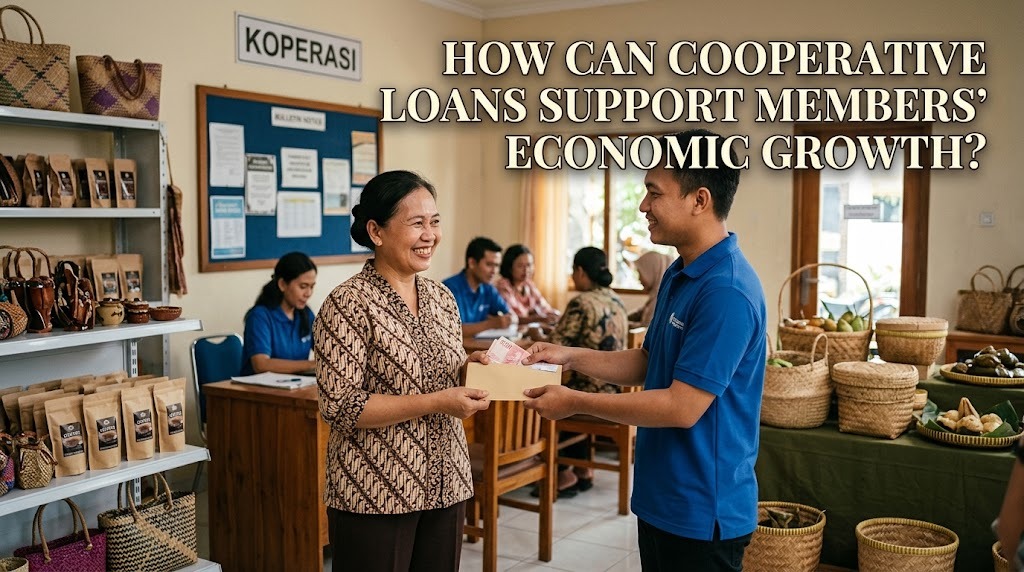
Cooperative loans can provide members with access to additional financing for productive activities and planned financial needs. For many members, access to suitable funding can create opportunities to develop a small business, increase working capital, improve productive assets, or manage important expenses.
However, a loan does not automatically create economic growth. Its impact depends on how the funds are used, whether the member has a realistic financial plan, and whether the repayment obligation remains affordable. Responsible borrowing is therefore an important part of using cooperative financing effectively.
PROVIDING ACCESS TO ADDITIONAL CAPITAL
One of the main ways cooperative loans can support members is by providing additional capital. Members who have limited savings may use financing to support activities that require upfront funds.
For example, an entrepreneur may need money to purchase inventory before receiving revenue from customers. Access to suitable financing can help bridge this temporary funding need. The loan amount should still match the member's actual requirements and repayment capacity.
SUPPORTING SMALL BUSINESS DEVELOPMENT
Cooperative financing can support small business development by helping members obtain funds for inventory, equipment, marketing, or working capital. These resources can improve the ability of a business to maintain operations and serve customers.
Before borrowing, members should assess whether the business has sufficient demand and realistic revenue potential. A loan should support a sound business plan rather than compensate for an unsustainable business model. Business planning is therefore essential for maximizing the potential benefit of financing.
INCREASING BUSINESS PRODUCTIVITY
Members can potentially use loans to purchase tools, machines, technology, or other assets that improve business productivity. Better equipment may help reduce production time, improve quality, or increase the amount of goods and services a business can provide.
However, every investment should be evaluated carefully. The expected benefits should justify the cost of borrowing and ownership or operating expenses. Productive investment can contribute to economic growth when it is supported by realistic business calculations.
HELPING MEMBERS MANAGE CASH FLOW
Small businesses sometimes experience temporary cash-flow gaps. Revenue may arrive later than expenses such as inventory purchases, wages, rent, or supplier payments.
A suitable working capital loan may help members manage these short-term needs when repayment can be supported by expected cash inflows. Members should monitor cash flow closely and avoid using long-term debt to cover recurring losses.
CREATING NEW BUSINESS OPPORTUNITIES
Access to financing can allow members to explore new business opportunities. Depending on their circumstances, they may add new products, improve services, reach new customers, or expand production.
Growth opportunities should be evaluated based on customer demand, competition, costs, and expected revenue. Borrowing simply because an opportunity appears attractive can be risky if the financial return is uncertain. Careful analysis can help members distinguish genuine opportunities from unnecessary financial commitments.
PROMOTING FINANCIAL INCLUSION
Cooperatives can contribute to financial inclusion by providing financial services to eligible members within communities. This can give members another avenue to access financing based on the cooperative's membership and lending policies.
Financial access should be combined with financial education. Members need to understand loan costs, repayment obligations, risks, and budgeting before borrowing. Financial literacy helps ensure that access to financing leads to more informed decisions rather than excessive debt.
SUPPORTING LOCAL ECONOMIC ACTIVITY
When members use financing to strengthen their businesses, the effects can extend beyond individual households. Growing businesses may purchase supplies, work with local service providers, and create employment opportunities depending on their size.
Cooperative loans can therefore contribute indirectly to local economic activity when financing is used productively. The scale of the impact depends on the success and sustainability of the businesses receiving financing.
BUILDING LONG-TERM FINANCIAL CAPACITY
The long-term value of cooperative financing depends on whether members can turn borrowed funds into sustainable economic benefits. A business that improves productivity and generates consistent revenue may become better positioned to handle future financial needs.
Members should focus on building financial capacity, not simply increasing the amount they can borrow. Savings, budgeting, business management, and responsible debt management should develop alongside access to financing.
MANAGING THE RISKS OF BORROWING
Cooperative loans also create financial obligations that members must manage carefully. Declining sales, unexpected expenses, unstable income, or excessive debt can make repayments difficult.
Before borrowing, members should calculate repayment ability and consider possible changes in their financial situation. Avoiding unnecessary debt and maintaining emergency savings can help reduce financial pressure. Responsible loan management is essential if financing is expected to support long-term economic growth.
CONCLUSION
Cooperative loans can support members' economic growth by providing additional capital for businesses, working capital, productive investments, household needs, and new economic opportunities. When used for appropriate purposes, financing can help members strengthen their businesses and improve their financial capacity.
However, successful economic growth requires more than access to money. Members need financial literacy, realistic business planning, careful budgeting, and disciplined repayment. By borrowing according to their needs and repayment ability, members can use cooperative financing as a tool for sustainable economic development rather than creating unnecessary financial pressure.
Tentang Penulis
Gusti Ayu Tita P
Penulis — Universitas STEKOM
Penulis aktif yang berfokus pada isu-isu akademik, teknologi pendidikan, dan pengembangan sumber daya manusia di lingkungan kampus.