
How Can Parents Better Understand the Feelings of a Middle Child?
Gusti Ayu Tita P
8 September 2026
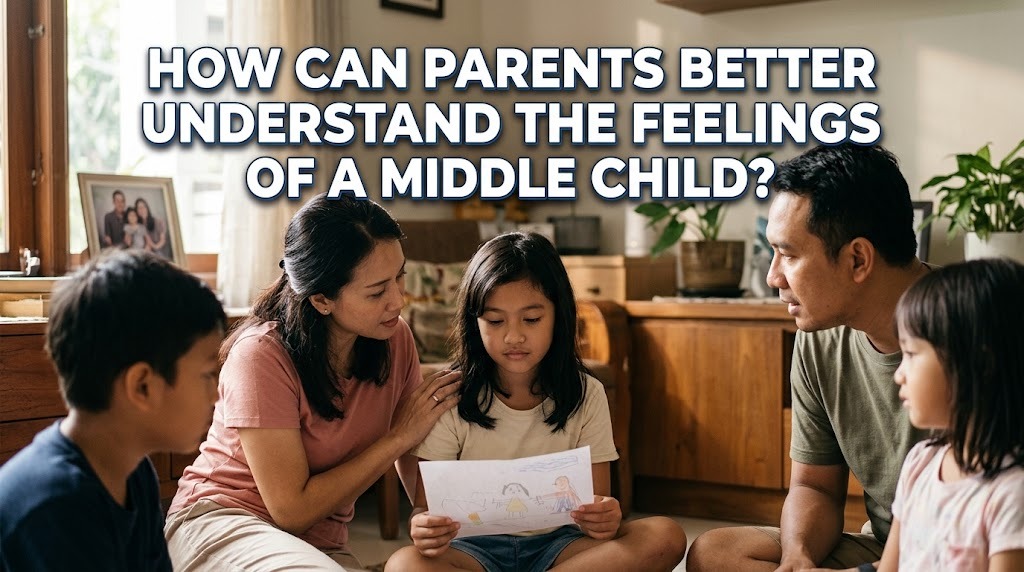
Being a middle child can come with a unique place in the family. Parents may sometimes find it difficult to understand why a middle child seems quiet, independent, sensitive, or eager for attention. These behaviors do not always mean that the child is unhappy, but they can be signs that the child wants to feel seen, heard, and valued. Understanding these feelings can help parents build a stronger and healthier relationship with their child.
Parents do not need to treat every middle child in exactly the same way because each child has a different personality and experience. Instead, they can pay attention to the child's individual needs, communication style, and behavior. With open communication, consistent attention, and emotional support, parents can help a middle child feel secure and appreciated within the family.
UNDERSTAND THE MIDDLE CHILD EXPERIENCE
A middle child often grows up between an older sibling and a younger sibling, which can create a different family experience. The older child may receive attention for new achievements, while the younger child may receive extra care because of their age. As a result, the middle child may sometimes feel that their role is less clearly recognized. However, this does not mean that every middle child experiences neglect or develops the same emotional patterns.
Some middle children may become independent, adaptable, or skilled at maintaining relationships because they regularly interact with siblings of different ages. Others may feel overlooked when family attention is focused on their siblings. Parents should therefore avoid assuming that birth order automatically determines personality and instead focus on what their child is actually experiencing.
PAY ATTENTION TO EMOTIONAL SIGNALS
Children do not always express their feelings directly. A middle child who feels overlooked may become quieter, withdraw from family activities, seek attention through certain behaviors, or appear unusually sensitive. These signs should not immediately be labeled as attention-seeking or problematic because they may have different causes. Parents can look for changes in behavior, mood, communication, and interaction with family members.
Listening is especially important when a child starts sharing personal concerns. Parents can give their full attention, avoid interrupting, and respond without immediately judging or correcting the child. Simple responses such as asking what happened or how the child felt can encourage more honest communication. This approach helps children understand that their emotions are valid and worth discussing.
CREATE SPECIAL TIME WITH YOUR CHILD
One effective way to strengthen the relationship with a middle child is to create regular one-on-one time. This does not have to involve expensive activities or long trips because even a short conversation, walk, meal, or shared hobby can be meaningful. The important part is giving the child focused attention without comparing them with their siblings. Consistent moments like these can make the child feel personally valued.
Parents can also allow the child to choose some activities based on their interests. Asking about their favorite subjects, hobbies, friends, goals, or concerns shows genuine curiosity about their individual identity. This can help prevent the child from feeling defined only by their position between siblings. Over time, quality time can create a stronger sense of connection and trust.
AVOID COMPARING SIBLINGS
Comparing children can affect their confidence and may create unnecessary competition. Statements that suggest one sibling is smarter, more responsible, or more successful can make another child feel inadequate. Parents should instead recognize that each child has different strengths and challenges. Praise should focus on effort, progress, character, and personal achievements rather than ranking siblings.
It is also helpful to avoid using one child as a standard for another. Every child develops at a different pace and may need different types of support. When parents recognize individual progress, the middle child can develop a stronger sense of self-worth. This creates a healthier family environment where siblings can support one another instead of competing for approval.
ENCOURAGE HONEST COMMUNICATION
Parents can make it easier for a middle child to express emotions by creating a home environment where difficult feelings are safe to discuss. Instead of immediately giving advice, parents can first listen and try to understand the child's perspective. Questions such as what made you feel that way or what would help you can encourage meaningful conversations. Active listening shows that parents care about the child's experience rather than simply trying to stop unwanted behavior.
Parents should also accept that children may express emotions differently. Some may talk openly, while others may need time before they feel comfortable sharing. Giving a child space while remaining available can be more effective than forcing a conversation. When communication becomes a regular part of family life, the middle child may become more comfortable discussing worries, disappointments, and needs.
RECOGNIZE THEIR INDIVIDUAL IDENTITY
A middle child should be recognized as an individual rather than simply being described as the child between two siblings. Parents can encourage personal interests, responsibilities, and goals that are separate from those of their brothers or sisters. Supporting these differences can help the child understand that their value does not depend on family position. Individual identity is especially important as children become more independent and develop their own interests.
Parents can also celebrate achievements that may seem small but are meaningful to the child. Completing a difficult task, helping someone, improving a skill, or showing persistence can all deserve recognition. Genuine appreciation can strengthen the child's confidence without creating competition with siblings. The goal is to help the middle child feel that they have a unique and important place in the family.
BUILD A BALANCED FAMILY ENVIRONMENT
Understanding a middle child's feelings is not about giving them more attention than their siblings. Instead, parents can aim for a balanced family environment where every child receives appropriate emotional support. Children have different needs at different ages, so equal treatment does not always mean identical treatment. Fairness can involve recognizing each child's circumstances while ensuring that no child consistently feels ignored.
Family activities can also help create a sense of belonging. Parents can encourage siblings to spend positive time together while respecting each child's personal boundaries. When disagreements happen, parents can listen to all sides rather than automatically supporting the older or younger child. This teaches children that every voice matters within the family.
CONCLUSION
Birth order can provide an interesting way to understand family dynamics, but it should not become a fixed label. Calling a child the quiet one, the independent one, or the difficult middle child may influence how family members perceive them. A child can behave differently in different situations, and their personality can continue developing over time. Parents should focus on the child's actual needs and behavior instead of relying on stereotypes.
If emotional difficulties become persistent or significantly affect daily life, relationships, school, or family functioning, parents may consider seeking support from a qualified child development professional or mental health professional. This does not mean that something is necessarily wrong with the child. Professional guidance can simply provide another perspective and practical strategies for supporting the family. The most important foundation remains a relationship built on attention, respect, patience, and trust.
Tentang Penulis
Gusti Ayu Tita P
Penulis — Universitas STEKOM
Penulis aktif yang berfokus pada isu-isu akademik, teknologi pendidikan, dan pengembangan sumber daya manusia di lingkungan kampus.