How Can Schools Make LDKS Activities More Interesting and Educational?
Gusti Ayu Tita P
19 September 2026
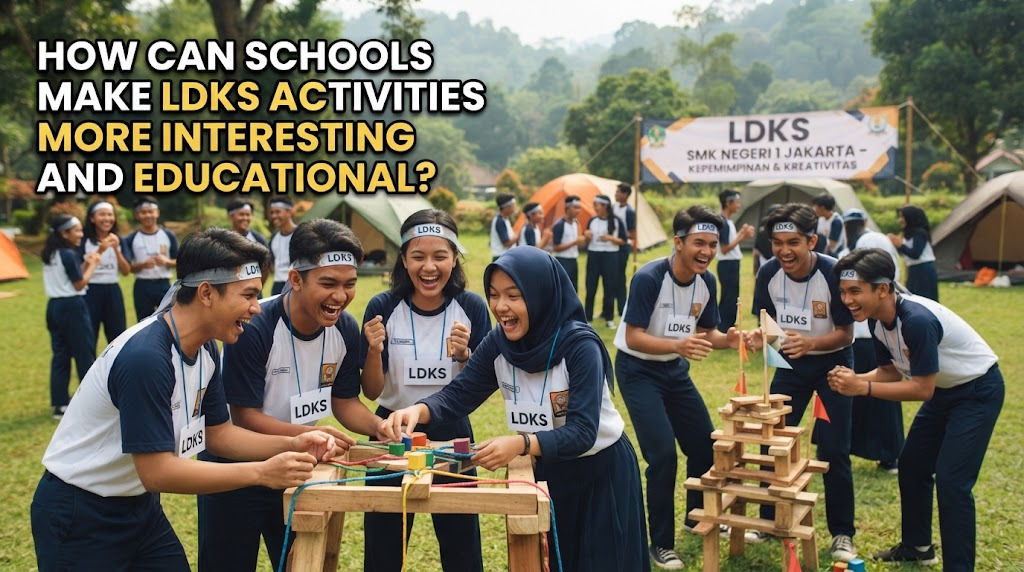
LDKS, or Student Leadership Training, is a school program that helps students develop leadership, communication, teamwork, responsibility, and problem-solving skills. To make the training more effective, schools can design activities that are both educational and enjoyable. Interesting activities can encourage students to participate actively instead of simply listening to instructions. A well-designed LDKS program can provide meaningful experiences while helping students develop practical skills.
WHY SHOULD LDKS ACTIVITIES BE INTERESTING AND EDUCATIONAL?
LDKS activities should be interesting because students are more likely to participate actively when they feel engaged with the learning process. Traditional explanations can be combined with practical activities, discussions, games, and challenges. This approach can make leadership lessons easier for students to understand and remember. At the same time, every activity should have a clear educational purpose.
Fun activities should not remove the learning objectives of LDKS. Instead, games and challenges can be designed to teach specific skills such as communication, teamwork, discipline, and decision-making. Students can learn important lessons while participating in activities that feel enjoyable. This balance can make student leadership training more meaningful.
HOW CAN GAMES MAKE LDKS MORE ENGAGING?
Games can be an effective way to encourage students to participate in LDKS. Schools can organize team challenges, communication games, problem-solving activities, or leadership simulations. These activities can create opportunities for students to practice skills instead of only learning them through explanations. Educational games can also encourage students to cooperate with classmates.
The games should be connected to the objectives of the training. For example, a communication game can teach students how to listen carefully and deliver information clearly. A team challenge can help students practice cooperation and responsibility. When games have clear learning goals, students can enjoy the activity while developing practical leadership skills.
HOW CAN TEAM ACTIVITIES SUPPORT STUDENT LEARNING?
Team activities can help students learn how to communicate and cooperate with people who have different ideas. Schools can create group tasks that require students to divide responsibilities, discuss solutions, and complete a shared objective. Each member can be given an opportunity to contribute to the activity. This can strengthen teamwork and communication skills.
Team activities can also teach students about responsibility. If one member does not complete their task, the entire group may experience difficulties. Students can learn that successful teamwork requires trust, communication, and commitment from everyone. These experiences can make the lessons from LDKS teamwork activities more practical and memorable.
HOW CAN REAL LIFE SIMULATIONS MAKE LDKS MORE EDUCATIONAL?
Real-life simulations can give students opportunities to practice leadership in situations that are similar to everyday challenges. Schools can create scenarios involving event planning, conflict resolution, decision-making, or organizing a school activity. Students can work together to identify problems and decide how to respond. These simulations can develop problem-solving and leadership abilities.
After completing a simulation, teachers or trainers can discuss what happened with the students. Students can explain their decisions, identify difficulties, and consider alternative solutions. This reflection is important because it connects the activity with the lessons students should understand. Experiential learning can therefore make LDKS more relevant to students' daily lives.
HOW CAN TECHNOLOGY BE USED IN LDKS ACTIVITIES?
Technology can provide another way to make LDKS more creative and engaging. Schools can use presentations, interactive quizzes, digital collaboration tools, or short videos to support the training. Students can also be asked to create digital presentations or simple content related to leadership topics. These activities can develop digital communication skills alongside leadership abilities.
However, technology should be used according to the learning objectives. It should support interaction rather than become a distraction during the training. Teachers can combine digital activities with face-to-face discussions and practical challenges. This combination can create a more varied LDKS learning experience.
HOW CAN REFLECTION AND FEEDBACK IMPROVE LDKS?
Reflection allows students to think about what they learned from each activity. After a game, discussion, or group challenge, students can be asked what they experienced, what difficulties they faced, and what they would change next time. This helps students connect practical experiences with important leadership concepts. Student reflection can make activities more educational.
Feedback is also useful because students need to understand their strengths and areas for improvement. Teachers and trainers can provide constructive comments about communication, teamwork, responsibility, and decision-making. Students can then use the feedback in the next activity. Regular feedback and reflection can help students turn enjoyable activities into meaningful learning experiences.
CONCLUSION
Schools can make LDKS activities more interesting and educational by combining games, teamwork, real-life simulations, technology, reflection, and constructive feedback. Each activity should remain connected to clear learning objectives so students can develop useful leadership skills. A variety of activities can also prevent students from becoming bored during the training.
An effective LDKS program should give students opportunities to learn through experience and active participation. When students enjoy the process while understanding the purpose of each activity, they can gain more meaningful lessons. With thoughtful planning, interesting LDKS activities can support students' leadership development and personal growth.
Tentang Penulis
Gusti Ayu Tita P
Penulis — Universitas STEKOM
Penulis aktif yang berfokus pada isu-isu akademik, teknologi pendidikan, dan pengembangan sumber daya manusia di lingkungan kampus.