How Can Students Become More Competitive in the Workplace?
Gusti Ayu Tita P
3 September 2026
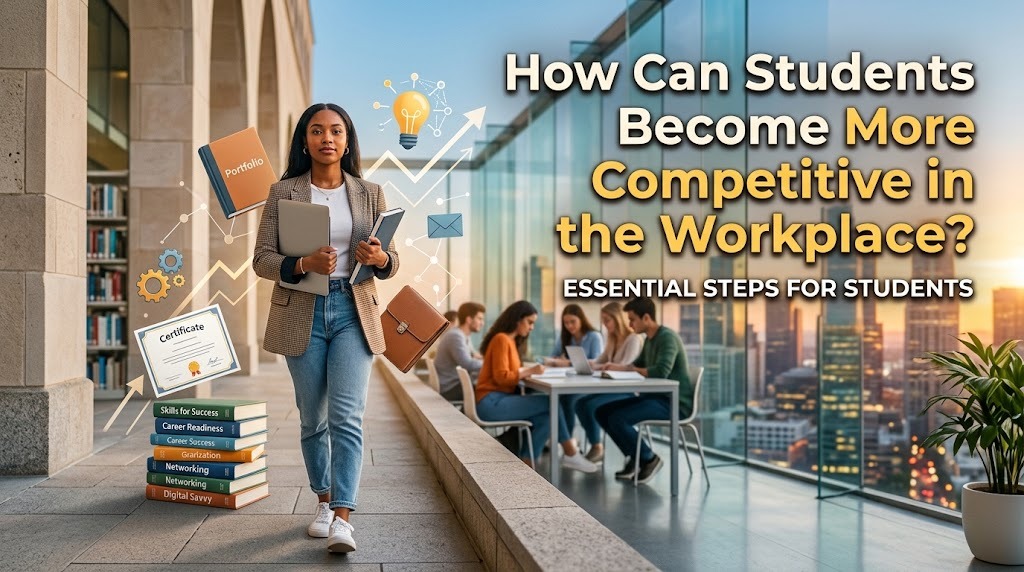
Entering the workplace can be challenging because students may compete with many candidates who have different educational backgrounds and experiences. Academic achievement is important, but it is not the only factor that makes a candidate competitive. Employers often consider practical skills, communication, adaptability, problem solving, and professional behavior when selecting employees. Students can start developing these abilities while they are still studying. Early preparation can help them become more confident and better prepared for professional opportunities.
UNDERSTAND WHAT EMPLOYERS NEED
The first step toward becoming more competitive is understanding what employers expect from potential employees. Students can research job vacancies in their preferred industries to identify commonly requested qualifications and skills. They can also attend career fairs, seminars, workshops, and industry events to learn about current workplace trends. Understanding these requirements helps students focus their efforts on skills that are relevant to their career goals.
Students should compare employer expectations with their current abilities. This allows them to identify skill gaps that need improvement before graduation. For example, a student may have strong academic knowledge but need more experience with communication, software, or teamwork. Recognizing these gaps early gives students enough time to develop the abilities they need.
DEVELOP RELEVANT TECHNICAL SKILLS
Technical skills can help students perform specific tasks related to their chosen profession. Depending on their career field, students may need abilities in data analysis, digital marketing, graphic design, programming, accounting, business management, or other specialized areas. They can develop these skills through courses, school projects, online learning, internships, and independent practice. Practical application is especially useful because it allows students to understand how technical knowledge works in real situations.
Students should choose technical skills that match their career interests rather than trying to learn everything at once. Relevant skills are more valuable than simply collecting many certificates. Students should focus on understanding how to use their knowledge to solve problems or complete useful tasks. Building a portfolio of practical work can also help demonstrate these abilities to potential employers.
IMPROVE COMMUNICATION SKILLS
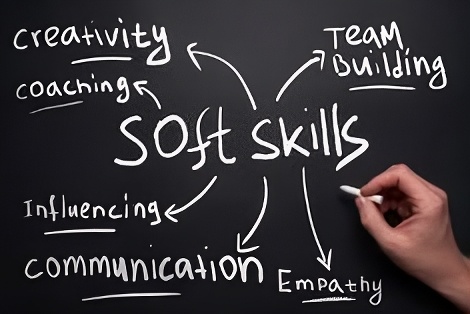
Strong communication skills are useful in almost every workplace. Students need to learn how to explain ideas clearly, listen carefully, write professional messages, and communicate respectfully with different people. Presentations, group assignments, student organizations, and internships can provide opportunities to practice communication. Students can also improve by learning how to write professional emails, reports, and other workplace documents.
Good communication can make students more confident during job interviews and professional discussions. It can also help them build positive relationships with coworkers, customers, and supervisors. Being able to communicate clearly can make technical knowledge more useful because ideas and solutions need to be understood by others. Students should therefore practice communication regularly rather than waiting until they apply for their first job.
GAIN PRACTICAL EXPERIENCE
Employers may prefer candidates who can demonstrate that they have applied their knowledge in real situations. Students can gain practical experience through internships, part time work, volunteering, freelance projects, competitions, and student organizations. These activities can teach them how to manage deadlines, work with others, solve problems, and take responsibility. Practical experience also helps students understand what professional environments are actually like.
Students should focus on learning from every experience rather than simply collecting activities for their resumes. They can record important projects, responsibilities, achievements, and skills they developed. Real experience gives students concrete examples to discuss during interviews. It can also help them discover which career areas match their interests and strengths.
BUILD DIGITAL SKILLS
Digital technology is now part of many professional environments. Students should develop digital skills such as using productivity software, online collaboration platforms, digital communication tools, and industry specific applications. Basic knowledge of cybersecurity and responsible data handling is also useful. Students who can adapt to different digital tools may find it easier to work in technology driven environments.
Technology changes quickly, so students should avoid depending on only one tool or application. They should develop the ability to learn new technologies independently. Online courses, tutorials, practical projects, and workplace training can help them stay updated. A willingness to learn new digital tools can become an important advantage when companies adopt new systems.
STRENGTHEN PROBLEM SOLVING AND CRITICAL THINKING
Employers need workers who can respond effectively when problems occur. Students can develop problem solving skills by analyzing case studies, completing projects, conducting research, and dealing with practical challenges. They should learn to identify the main problem, gather relevant information, consider different solutions, and evaluate possible results. This process can help them make decisions more carefully.
Critical thinking supports good problem solving because students need to evaluate information before accepting it as reliable. They should learn to question assumptions, compare different perspectives, and use evidence when making decisions. Independent and logical thinking can help students contribute useful solutions in professional environments. These abilities can also be applied across many different industries.
DEVELOP TEAMWORK AND LEADERSHIP
Many workplace projects require employees to cooperate with people who have different skills and personalities. Students can improve teamwork skills through group projects, organizations, committees, and community activities. They should learn how to divide responsibilities, listen to other opinions, manage disagreements, and support shared goals. Good teamwork requires both cooperation and personal accountability.
Students can also develop leadership by taking responsibility for projects or activities. Leadership does not always mean being the person in charge. Taking initiative, making responsible decisions, and helping others achieve a goal are also forms of leadership. These experiences can demonstrate confidence and responsibility to potential employers.
BUILD A PROFESSIONAL PORTFOLIO AND RESUME
A strong resume can help students present their qualifications in a clear and organized way. Students should include relevant education, skills, practical experience, projects, achievements, and certifications that support the position they are applying for. They should avoid including unnecessary information and make sure all details are accurate. A well prepared resume can make it easier for recruiters to understand a candidate's background.
A portfolio can provide even stronger evidence for careers that involve practical work. Students can include designs, writing, presentations, marketing projects, research, business plans, or other relevant work. Showing what they can actually produce can make students more memorable to employers. Students should update their resume and portfolio as they gain new experiences.
DEVELOP A PROFESSIONAL ATTITUDE
Employers also value personal qualities that influence how employees behave at work. Students should develop discipline, responsibility, honesty, reliability, adaptability, and respect for others. These qualities can be practiced through everyday academic responsibilities and extracurricular activities. Simple habits such as meeting deadlines and keeping commitments can prepare students for professional expectations.
Students should also learn to accept feedback and take responsibility for mistakes. A professional attitude means being willing to improve rather than blaming other people when something goes wrong. Professional behavior can strengthen trust between employees and employers. Combining a positive attitude with strong skills can make students more prepared for long term career development.
CONTINUE LEARNING AND ADAPTING
The workplace continues to change because of technology, economic conditions, business strategies, and new customer expectations. Students should therefore develop a continuous learning mindset before entering professional life. They can read industry information, take relevant courses, attend workshops, and learn from experienced professionals. Continuous learning helps students keep their knowledge and skills relevant.
Adaptability is equally important because students may eventually work in situations they did not expect. They should be willing to learn new methods, accept constructive feedback, and adjust their approach when necessary. The ability to learn and adapt can help students remain competitive over time. Career development is a long term process, so students should continue improving even after getting their first job.
CONCLUSION
Students can become more competitive in the workplace by preparing themselves beyond academic qualifications. Technical skills, communication, digital abilities, practical experience, teamwork, problem solving, and professional behavior can all contribute to career readiness. Students should also understand employer expectations and identify skills they still need to improve. Building a strong resume and portfolio can help them demonstrate their abilities more effectively. Most importantly, students should maintain a habit of continuous learning so they can adapt to changing workplace demands and build a stronger professional future.
Tentang Penulis
Gusti Ayu Tita P
Penulis — Universitas STEKOM
Penulis aktif yang berfokus pada isu-isu akademik, teknologi pendidikan, dan pengembangan sumber daya manusia di lingkungan kampus.