How Can Students Improve Their Skills to Compete in the Job Market?
Gusti Ayu Tita P
3 September 2026
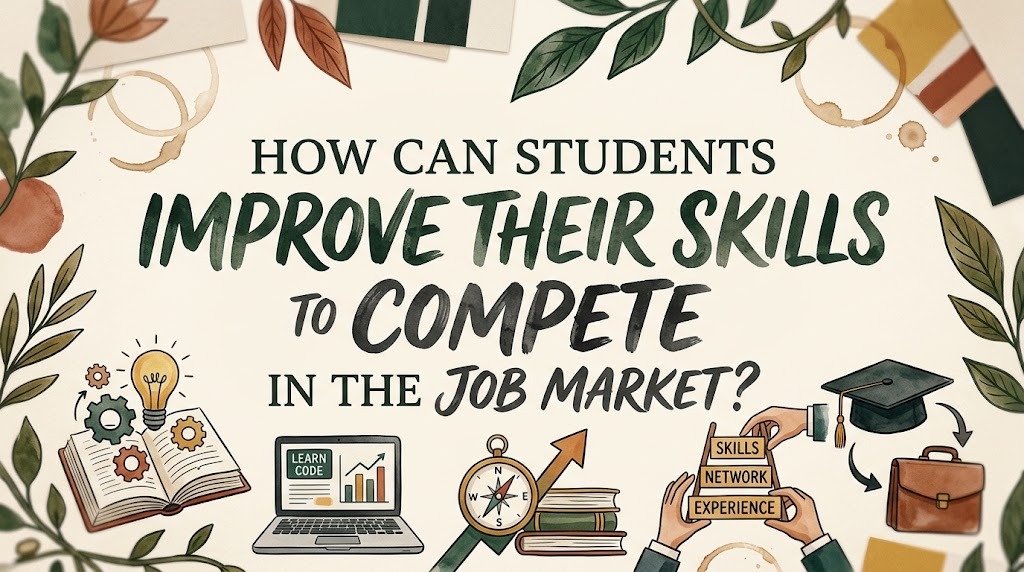
The job market is becoming increasingly competitive as companies look for candidates who have not only academic qualifications but also practical skills and strong personal qualities. Students need to prepare themselves early so they can adapt to the expectations of employers after graduation. Good grades are important, but they are not the only factor that determines career success. Students also need to develop communication, teamwork, technology, problem solving, and other relevant abilities. By improving these skills while still studying, students can become more confident and better prepared to enter the professional world.
UNDERSTAND THE SKILLS NEEDED BY EMPLOYERS
The first step students can take is to understand what skills are currently valued in the job market. Different industries have different requirements, but employers generally appreciate candidates who can communicate clearly, work with others, solve problems, and adapt to changes. Students can learn about these requirements by reading job descriptions, attending career events, and following developments in their chosen industries. Understanding employer expectations helps students identify which abilities they need to improve.
Students should also compare their current abilities with the skills commonly requested in their desired jobs. This can help them create a personal development plan instead of learning skills without a clear purpose. By focusing on relevant abilities, students can use their time more effectively and prepare themselves for suitable career opportunities.
IMPROVE COMMUNICATION SKILLS
Communication skills are essential in almost every profession. Students need to be able to explain ideas clearly, listen carefully, write professionally, and communicate respectfully with different people. These skills can be developed through presentations, group discussions, organizational activities, and classroom projects. Students can also practice writing emails, reports, and other professional documents.
Good communication can make it easier for students to work with colleagues and build professional relationships. It is also useful during job interviews, where candidates need to explain their experience, strengths, and goals confidently. Students who practice communication regularly will generally feel more prepared when they enter the workplace.
DEVELOP DIGITAL AND TECHNOLOGY SKILLS
Technology has become an important part of many modern workplaces. Students should therefore develop digital skills that are relevant to their field of interest. Basic abilities such as using office software, managing digital documents, conducting online research, and communicating through professional digital platforms can be useful in many jobs. Students in specific fields may also need more advanced technical skills related to their profession.
Learning technology does not always require expensive courses. Students can use online learning platforms, tutorials, school resources, and practical projects to improve their abilities. Keeping up with technology can also help students become more adaptable when companies introduce new tools or digital systems.
GAIN PRACTICAL EXPERIENCE
Academic knowledge becomes more valuable when students know how to apply it in real situations. Students can gain practical experience through internships, part-time work, volunteer activities, school projects, competitions, or student organizations. These activities allow students to understand workplace responsibilities and develop skills outside the classroom.
Practical experience can also strengthen a student's resume. Employers may see experience as evidence that a candidate can apply knowledge, take responsibility, and work with others. Even small projects can become valuable experiences when students can clearly explain what they learned and contributed.
BUILD PROBLEM SOLVING AND CRITICAL THINKING
Employers often need people who can deal with challenges rather than simply follow instructions. Students can develop problem solving skills by analyzing situations, identifying possible causes, comparing solutions, and choosing appropriate actions. Classroom assignments, case studies, business projects, and everyday challenges can provide opportunities to practice these abilities.
Critical thinking is also important because students need to evaluate information before making decisions. They should learn to distinguish reliable information from misleading content, especially when using digital sources. Strong problem solving and critical thinking skills can help students become more independent and effective workers.
STRENGTHEN TEAMWORK AND LEADERSHIP
Most workplaces require employees to cooperate with people who have different personalities, backgrounds, and working styles. Students can improve teamwork skills by participating in group assignments, organizations, committees, and community activities. They can learn how to divide responsibilities, listen to other opinions, handle disagreements, and work toward shared goals.
Leadership skills are equally useful, even for students who do not plan to become managers immediately. Taking responsibility for a project, organizing an activity, or helping a team achieve its goals can build leadership experience. These experiences can demonstrate initiative and responsibility, qualities that many employers value.
CREATE A STRONG PROFESSIONAL PORTFOLIO
A professional portfolio can help students show what they are capable of instead of relying only on academic qualifications. Depending on their field, students can include projects, designs, writing samples, presentations, certificates, business ideas, or other relevant work. A portfolio should focus on quality and clearly explain the student's contribution to each project.
Students should also keep their resumes and professional profiles updated. Information should be accurate, organized, and relevant to the position they are applying for. A strong portfolio can make it easier for employers to understand a student's abilities and potential.
DEVELOP A GROWTH MINDSET
Improving skills is a continuous process, so students should not be afraid of making mistakes or receiving criticism. A growth mindset encourages students to view challenges as opportunities to learn rather than reasons to give up. Feedback from teachers, mentors, classmates, or supervisors can help students identify areas that still need improvement.
Students should set realistic learning goals and evaluate their progress regularly. They do not need to master every skill at once. Consistent improvement is more important because small progress over time can create significant results when students eventually enter the job market.
CONCLUSION
Students can improve their competitiveness in the job market by combining academic knowledge with practical, digital, communication, problem solving, teamwork, and leadership skills. They should understand employer expectations and choose skills that are relevant to their career goals. Gaining practical experience and building a professional portfolio can also help them demonstrate their abilities to potential employers. Most importantly, students should continue learning and remain adaptable as workplace requirements change. With proper preparation and consistent practice, students can enter the job market with greater confidence and stronger professional potential.
Tentang Penulis
Gusti Ayu Tita P
Penulis — Universitas STEKOM
Penulis aktif yang berfokus pada isu-isu akademik, teknologi pendidikan, dan pengembangan sumber daya manusia di lingkungan kampus.